Herbal Medicine: Natural Remedies That Work, Risks to Avoid, and What Really Helps
When you hear herbal medicine, the use of plants and plant extracts to support health and treat conditions. Also known as phytotherapy, it's not just old-school wisdom—it's science-backed, widely used in India, and part of daily life for millions. Unlike synthetic drugs, herbal medicine works slowly, gently, and often targets the root cause—not just the symptom. Think of it like watering a plant instead of spraying it with chemicals. You're nourishing the whole system: digestion, sleep, stress response, even your kidneys.
But not all herbs are created equal. herbal supplements, concentrated plant-based products taken orally for health benefits can be powerful—too powerful if you don’t know what you’re taking. Some boost energy, others calm nerves, but a few can actually make anxiety worse or mess with your meds. That’s why knowing the Ayurvedic herbs, plants used in India’s 5,000-year-old healing system, often paired with diet and lifestyle matters. Holy basil (tulsi), for example, isn’t just a spiritual plant—it’s a proven adaptogen that helps your body handle stress. But if you’re on blood thinners or thyroid meds, even tulsi needs caution.
Herbal medicine isn’t about finding one miracle plant. It’s about matching the right herb to your body type, condition, and lifestyle. Ayurveda breaks herbs into categories: adaptogens for stress, digestives for bloating, anti-inflammatories for joint pain. And it’s not just what you take—it’s when, how, and with what. Eating stewed apple first thing in the morning? That’s Ayurvedic herbal support for digestion. Sipping tulsi tea before bed? That’s sleep support. But if you’re buying from a brand that doesn’t test for heavy metals or pesticides, you’re risking more than wasting money—you’re risking your health.
There’s a big gap between what’s sold online and what actually works. Some products promise everything. Others are harmless but useless. The real ones? They’re backed by tradition, tested in labs, and used by people who’ve seen results over months, not days. You’ll find those here—no fluff, no hype. Just clear facts on what herbs help with anxiety, kidney function, sleep, and digestion. Plus, the ones that might hurt you if you’re not careful. Whether you’re new to herbal medicine or have been using it for years, this collection cuts through the noise. You’ll walk away knowing exactly what to try, what to skip, and how to use herbs safely—without guessing.

What Are the 3 Main Supplements? A Guide to Essential Herbal Basics
Discover the 3 main supplements recommended by health experts: Vitamin D, Magnesium, and Omega-3s. Learn why they matter, how to choose quality forms, and tips for safe usage.
What is the Gold Used in Ayurveda? Swarna Bhasma Explained
Discover what Swarna Bhasma is, the calcined gold ash used in Ayurveda. Learn about its creation, health benefits, safety tips, and how to choose quality products.

Best Herbal Supplement Companies: A Practical Guide for 2026
Discover the best herbal supplement companies in 2026. Learn how to spot high-quality brands using third-party testing, transparency, and potency standards.

Herbs Bad for the Kidneys: A Safety Guide
Discover which herbs pose risks to kidney health, including Aristolochia and starfruit. Learn how oxalates and neurotoxins affect renal function and how to safely choose supplements.
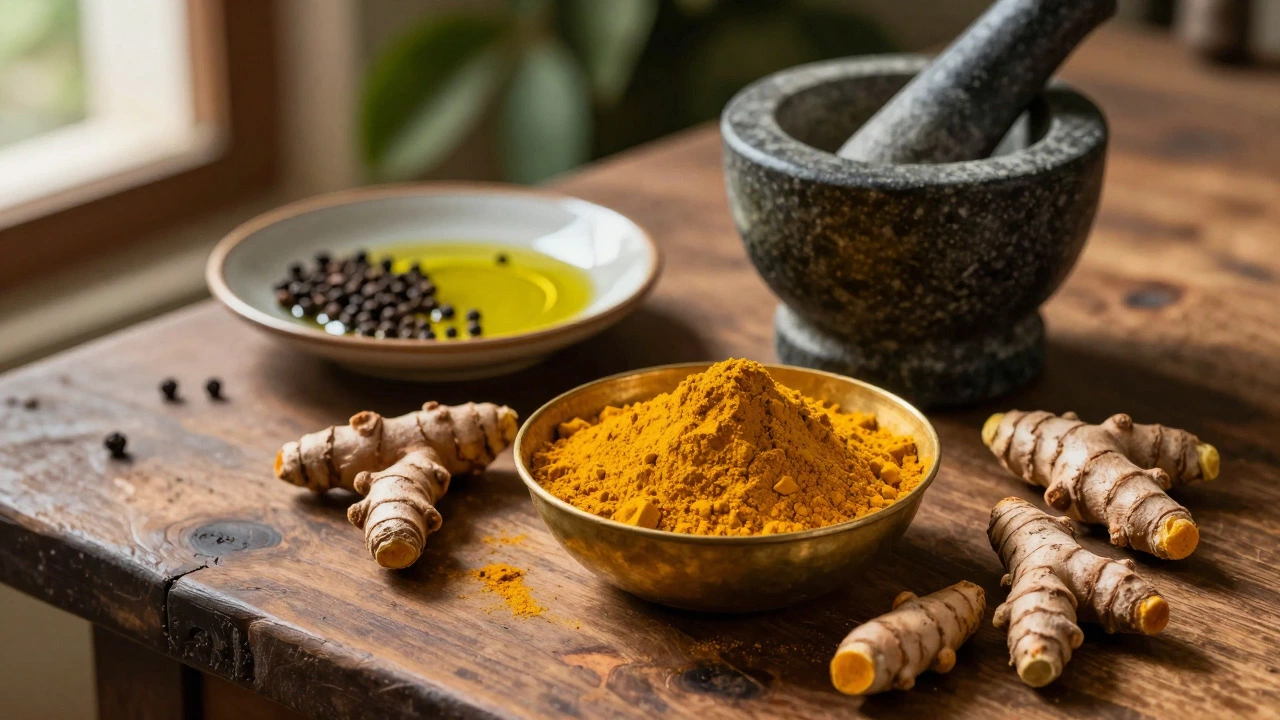
What is the Queen of All Herbs? Turmeric Benefits and Uses
Discover why turmeric is called the queen of all herbs. Learn about curcumin's benefits, how to improve absorption, and safety tips for daily use.

What Herbal Supplements Are Toxic to the Liver? A Safety Guide
Discover which popular herbal supplements like Kava, Green Tea Extract, and Comfrey can harm your liver. Learn the signs of liver toxicity and how to stay safe.
Is Ayurveda Good or Bad for You? A Realistic Look at Benefits and Risks
Is Ayurveda good or bad? We explore the real benefits of stress relief and digestion against serious risks like heavy metal contamination and drug interactions.

Is Nature Made a Good Brand? An Honest Review of Quality, Safety, and Value
Discover if Nature Made is a trustworthy supplement brand. We analyze their USP verification, cGMP compliance, pricing, and compare them to top competitors to help you decide.

What Herbs Should You Not Mix Together? Safe Herbal Combinations and Dangerous Pairings
Some herbal supplements can be dangerous when mixed together. Learn which herb combinations to avoid, including St. John’s wort with antidepressants, ginkgo with blood thinners, and kava with alcohol.

How Long Does It Take for Ayurveda to Work? Real Timelines for Common Conditions
Ayurveda doesn't work overnight - but if you stick with it, you'll notice deeper, lasting changes in digestion, sleep, energy, and stress. Here's what to expect at 2 weeks, 3 months, and 6 months.
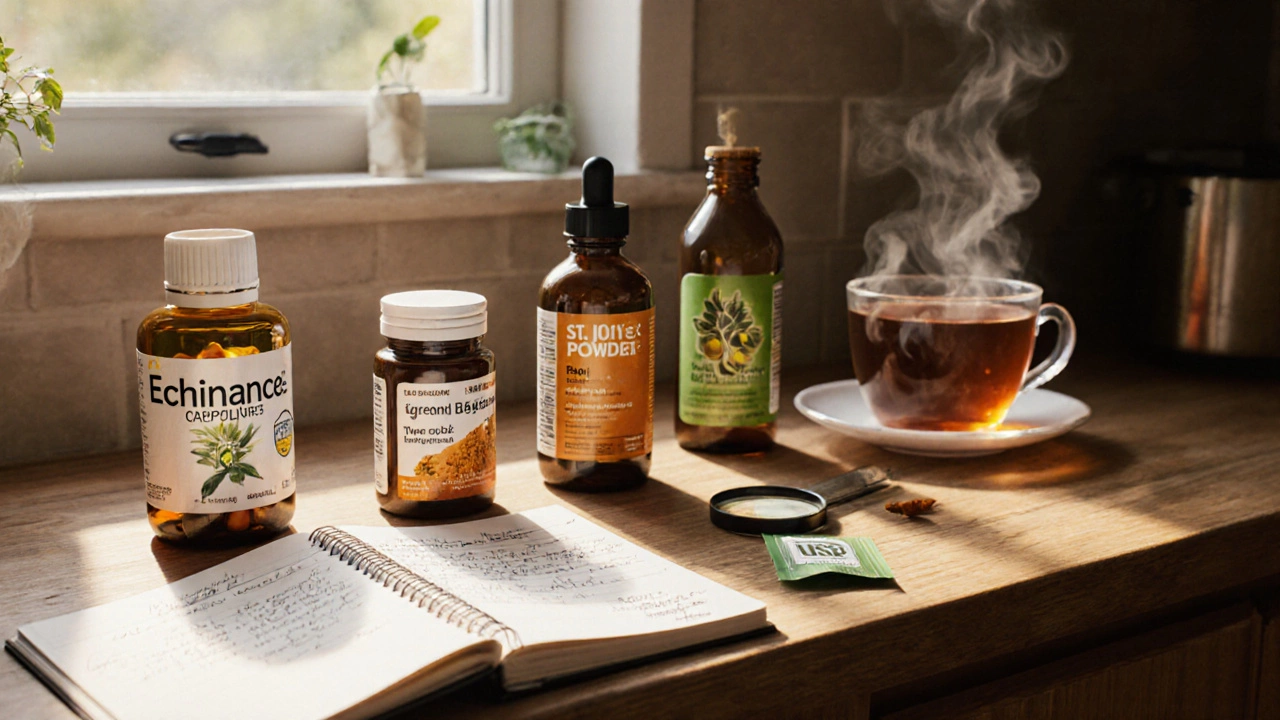
What Are Herbal Health Supplements? A Clear Guide to Uses, Risks, and What Really Works
Herbal health supplements are plant-based products used for wellness, but not all are safe or effective. Learn what works, what doesn't, and how to choose wisely without risking your health.

What Are the 5 Types of Herbal Supplements and How They Actually Work?
Learn the five main types of herbal supplements-adaptogens, tonics, stimulants, anti-inflammatories, and digestives-and how each works for real health concerns like stress, sleep, joint pain, and digestion. Find out what actually works and what to avoid.