What Herbal Supplements Are Toxic to the Liver? A Safety Guide
 Jul, 24 2026
Herbal Supplement Liver Risk Checker
Check Supplement Risk Level
Select a supplement from the list below to view its specific risk profile based on clinical data.
Key Safety Notes:
Liver Stress Symptom Checklist
Are you experiencing any of these signs after starting a new regimen? Check all that apply.
You trust that "natural" means safe. It’s a common assumption, but when it comes to your liver, nature can be surprisingly unforgiving. The liver is your body’s primary filtration system, processing everything you eat, drink, and swallow. While many herbal supplements offer genuine health benefits, several popular ones carry a significant risk of hepatotoxicity (liver damage). Understanding which plants pose a threat isn't just academic-it’s essential for protecting your long-term health.
This guide cuts through the marketing hype to identify the specific herbs linked to liver injury, explain how they cause damage, and help you navigate supplement labels with confidence. We’ll look at the science behind these reactions and provide practical steps to minimize your risk.
The Myth of Natural Safety
Before we list the culprits, it helps to understand why this happens. Unlike prescription drugs, which undergo rigorous clinical trials for dosage and side effects, dietary supplements in many regions, including the UK and US, are regulated more loosely. They don’t require pre-market approval for safety or efficacy. This regulatory gap means that products hitting the shelves may contain varying concentrations of active compounds, contaminants, or even undisclosed pharmaceutical ingredients.
Your liver metabolizes these compounds using enzymes like Cytochrome P450. Some herbal constituents overwhelm these enzymes, creating toxic byproducts that attack liver cells (hepatocytes). Others trigger an immune response, causing the body to attack its own liver tissue. This condition is known as Herb-Induced Liver Injury (HILI).
High-Risk Herbs Linked to Liver Damage
Not all herbs are created equal. Based on clinical case reports and pharmacological studies, certain botanicals stand out for their potential to cause acute or chronic liver stress. Here are the most notable offenders you should know about.
| Herb / Supplement | Primary Use | Risk Factor |
|---|---|---|
| Kava Kava | Anxiety relief, relaxation | High. Linked to severe hepatitis and liver failure requiring transplant. |
| Green Tea Extract | Weight loss, antioxidant boost | Moderate to High. Risk increases with high doses of concentrated pills. |
| Comfrey | Skin healing, pain relief | High. Contains pyrrolizidine alkaloids that block blood flow in liver veins. |
| Black Cohosh | Menopausal symptoms | Moderate. Case reports link it to idiosyncratic liver injury. |
| Valerian Root | Sleep aid, insomnia | Low to Moderate. Rare cases of liver enzyme elevation reported. |
Kava Kava: The Relaxation Trap
Kava Kava, derived from the Piper methysticum plant, has been used in Pacific Islands for centuries as a ceremonial drink. In the late 1990s and early 2000s, it surged in popularity in Europe and North America as a natural remedy for anxiety. However, this trend came at a steep price. Health agencies in Germany, France, and the UK issued warnings after dozens of cases of severe liver damage were reported. In some instances, patients required liver transplants.
The active compounds, called kavalactones, appear to interfere with mitochondrial function in liver cells. When mitochondria fail, cells die. The risk is particularly high when users consume non-traditional preparations, such as extracts made from the stems and roots rather than just the root, or when combined with alcohol.
Green Tea Extract: When Antioxidants Turn Against You
Drinking a cup of brewed green tea is generally safe and healthy. The problem arises with Green Tea Extract capsules, often marketed for weight loss or energy. These pills contain concentrated levels of catechins, specifically epigallocatechin gallate (EGCG). While EGCG is a powerful antioxidant, in high doses, it can become pro-oxidant, generating free radicals that damage liver cell membranes.
Cases of HILI from green tea extract are among the most frequently reported in recent years. The risk escalates if you take the supplement on an empty stomach, as this increases absorption rates beyond what the liver can safely process. Symptoms often include fatigue, nausea, and dark urine, appearing within weeks of starting supplementation.
Comfrey: The Healing Herb That Harms
Comfrey contains pyrrolizidine alkaloids (PAs), a group of naturally occurring toxins. Historically, comfrey was applied topically for bruises and sprains, which is relatively safe because minimal absorption occurs through intact skin. However, ingesting comfrey-whether as a tea, capsule, or syrup-allows PAs to enter the bloodstream directly.
PAs cause hepatic veno-occlusive disease (VOD), a condition where the small veins in the liver become blocked. This leads to swelling, pain, and potentially permanent scarring (cirrhosis). Because the damage can accumulate over time, users might not feel immediate effects, making long-term ingestion particularly dangerous.
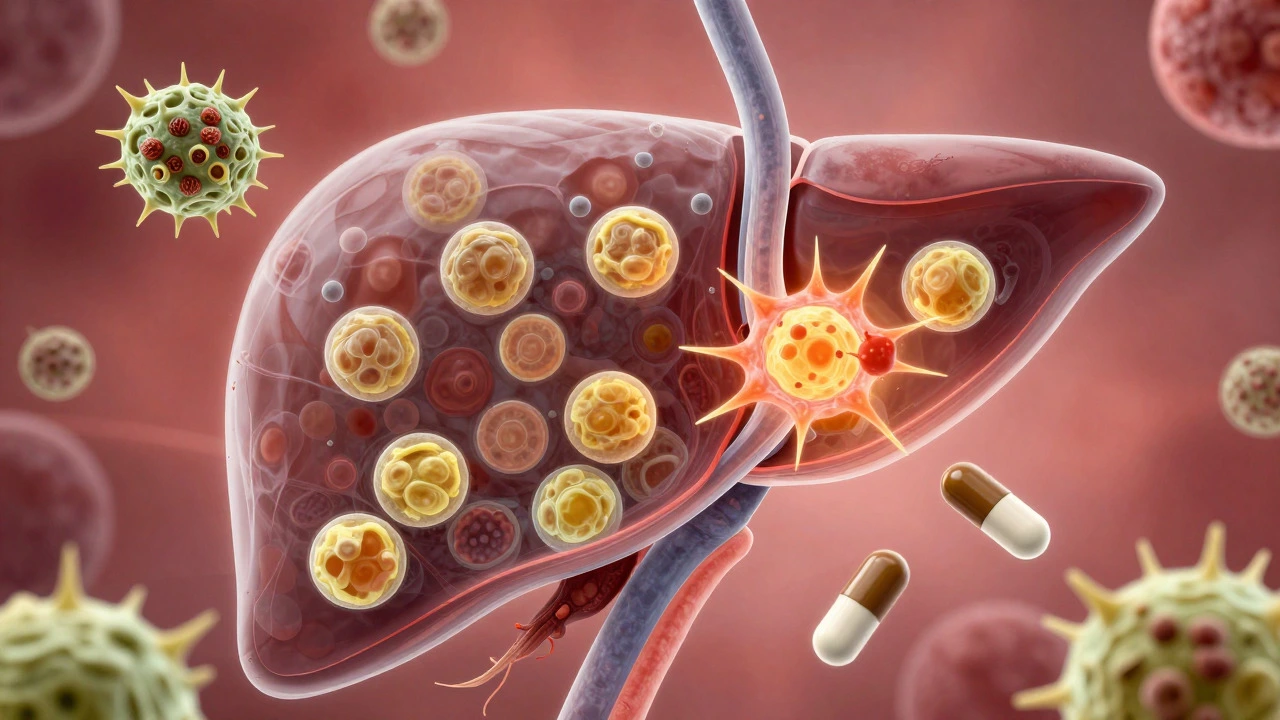
Other Notable Mentions
Beyond the big three, other herbs warrant caution. Black Cohosh, commonly used for menopausal hot flashes, has been linked to rare but serious liver injuries. The mechanism isn't fully understood, but it appears to be an idiosyncratic reaction, meaning it affects only certain individuals regardless of dose. Similarly, Valerian Root, while generally considered safe for sleep, has occasional associations with elevated liver enzymes, especially when taken alongside other sedatives or medications processed by the liver.
Even Turmeric and Ginger, staples of anti-inflammatory diets, have shown up in isolated case reports of liver issues, though usually at very high supplemental doses or in individuals with pre-existing liver conditions. This highlights a crucial point: context matters. Your baseline health status changes how your body handles these compounds.
Recognizing the Signs of Liver Stress
Liver damage doesn’t always announce itself with dramatic pain. Often, the symptoms are subtle and easy to dismiss as general fatigue or a mild stomach bug. Knowing what to look for can save you months of unnecessary suffering.
- Fatigue: An overwhelming tiredness that doesn’t improve with rest.
- Jaundice: Yellowing of the skin and the whites of the eyes, caused by bilirubin buildup.
- Dark Urine: Urine that looks like cola or tea, indicating excess waste products.
- Abdominal Pain: Discomfort or tenderness in the upper right quadrant of your abdomen.
- Nausea and Loss of Appetite: Persistent feelings of sickness without a clear viral cause.
If you experience any combination of these symptoms after starting a new herbal regimen, stop taking the supplement immediately and consult a healthcare provider. Early intervention can prevent irreversible damage.
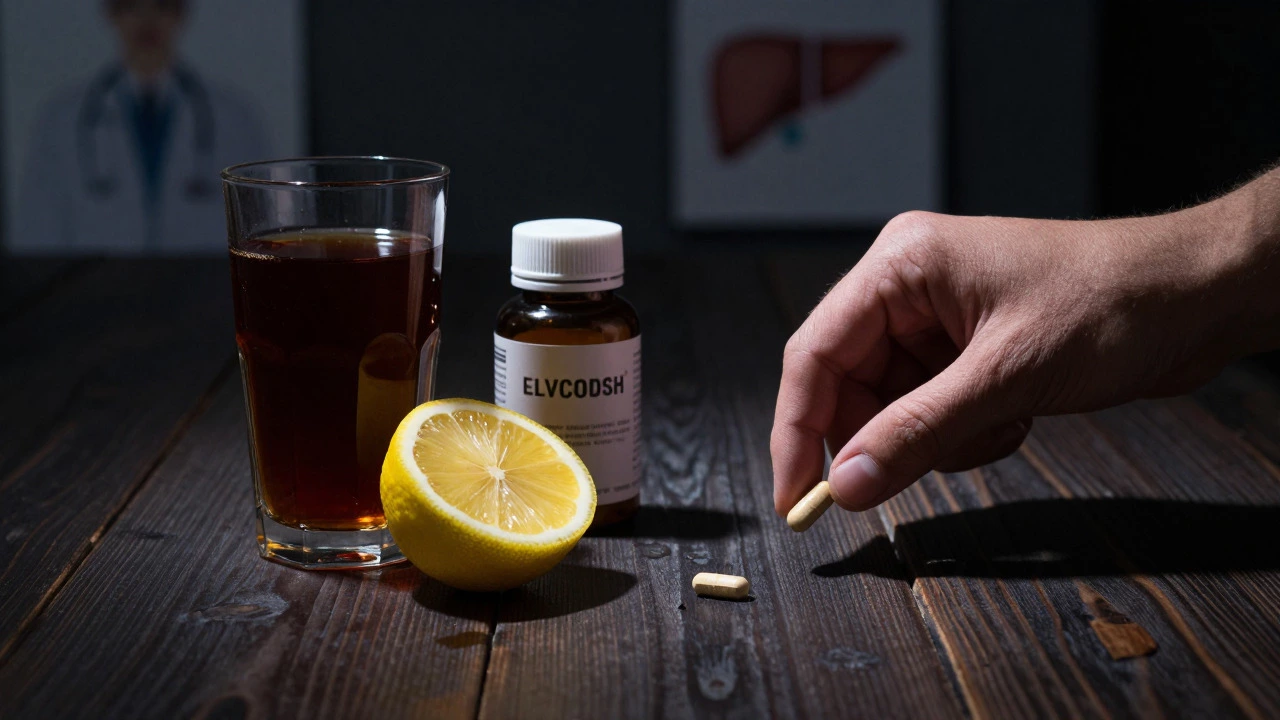
How to Protect Your Liver
You don’t need to abandon herbal medicine entirely to stay safe. Instead, adopt a smarter approach to supplementation. First, always disclose every supplement you take to your doctor. Many people hide herbal use, fearing judgment, but physicians need the full picture to assess drug-herb interactions. For example, St. John’s Wort induces liver enzymes that speed up the metabolism of other drugs, reducing their effectiveness.
Second, stick to food-based sources whenever possible. Eating turmeric in your curry is vastly different from popping 1,000mg of standardized curcumin extract daily. Whole foods provide fiber and other nutrients that modulate absorption, acting as a natural buffer against toxicity.
Third, check for third-party testing. Look for seals from organizations like USP (United States Pharmacopeia) or NSF International. These groups verify that the product contains what the label says and is free from heavy metals and harmful contaminants, which are frequent co-causes of liver injury.
Conclusion: Balance and Awareness
The goal isn’t fear-mongering; it’s empowerment. Herbal supplements can be valuable tools for wellness, but they are biologically active substances, not harmless candy. By understanding which herbs like Kava, Green Tea Extract, and Comfrey carry higher risks, you can make informed choices. Listen to your body, respect the potency of nature, and prioritize transparency with your healthcare team. Your liver works hard for you every day-give it the chance to keep doing so without unnecessary chemical burdens.
Is Kava Kava banned in the UK?
While not completely banned, Kava Kava is heavily restricted. The Medicines and Healthcare products Regulatory Agency (MHRA) in the UK has issued strict warnings, and many manufacturers voluntarily removed it from the market due to liver toxicity risks. If available, it is often sold with prominent warning labels.
Can drinking green tea damage my liver?
Brewed green tea is generally safe for most people. The risk primarily comes from concentrated green tea extract supplements, especially those taken for weight loss. Drinking several cups of brewed tea daily is unlikely to cause liver damage unless consumed in extreme quantities.
How long does it take for herbal supplements to affect the liver?
The timeline varies widely. Acute liver injury can occur within days or weeks of starting a supplement, particularly with high-dose extracts like Green Tea or Kava. Chronic damage, such as that caused by Comfrey, may develop silently over months or years of regular use.
Are there any herbs that are good for the liver?
Yes, Milk Thistle (Silymarin) is the most well-researched herb for liver support. It has antioxidant properties that may help protect liver cells from damage. However, even beneficial herbs should be used cautiously and under medical guidance, especially if you have existing liver disease.
What should I do if I suspect liver damage from a supplement?
Stop taking the supplement immediately. Contact your healthcare provider and describe your symptoms and the specific product you were using. Bring the supplement bottle with you to the appointment. Your doctor will likely order blood tests to check liver enzymes (ALT, AST, ALP) and bilirubin levels to assess the extent of any injury.