Herbs Bad for the Kidneys: A Safety Guide
 Oct, 9 2026
Kidney Safety Checker
Not sure if that new supplement is safe? Select your current health conditions below to see which popular herbs you should avoid or use with caution.
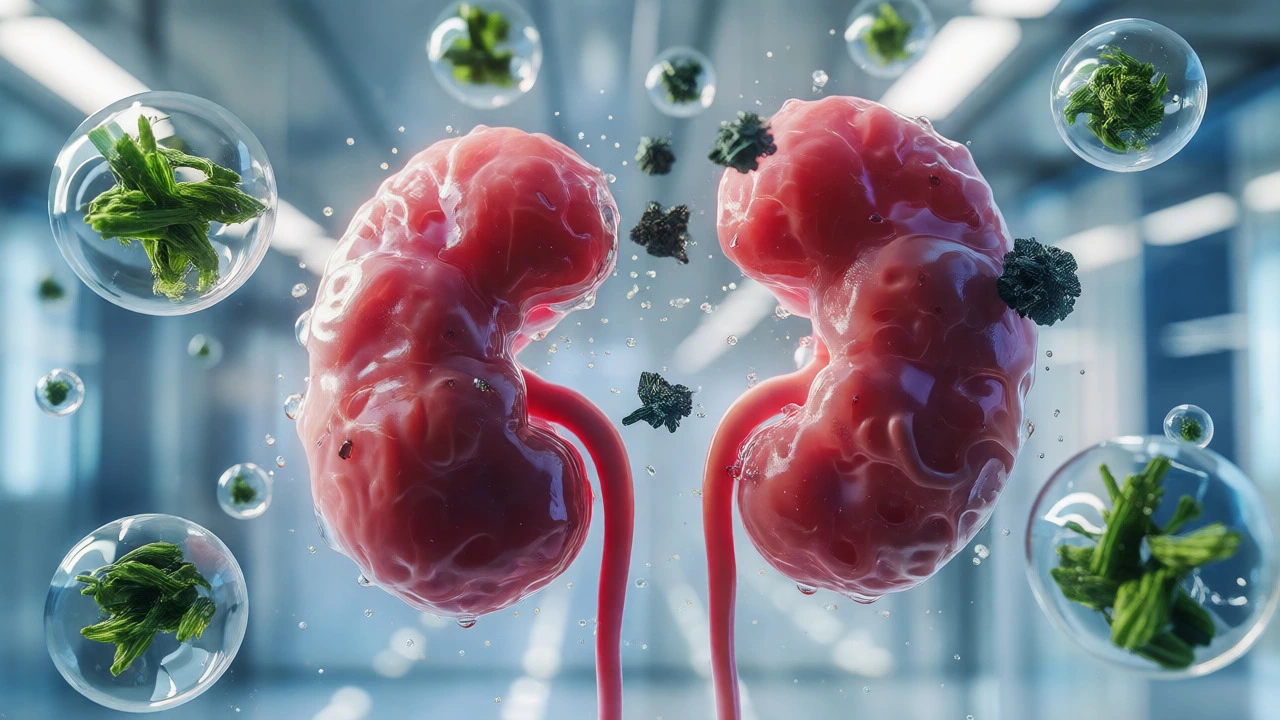
You think because it’s natural, it’s safe. That’s a dangerous myth when it comes to your kidneys. These two bean-shaped organs are your body’s ultimate filtration system, working 24/7 to scrub toxins from your blood. But they don’t have a manual override switch. If you dump a concentrated chemical compound into them-something found in certain plants-they can take permanent damage. You might not even feel it happening until the damage is done.
So, which herbs bad for the kidneys should you actually worry about? It’s not just about avoiding poison ivy. Some of the most popular supplements sold in health food stores carry risks that many people ignore. Let’s break down exactly what to avoid, why these specific plants cause trouble, and how to protect your renal function without giving up on natural remedies entirely.
The Aristolochic Acid Trap
If you remember only one thing from this article, make it this: stay away from anything containing Aristolochia. This plant genus is the biggest red flag in herbal medicine. The compound aristolochic acid found within it isn’t just irritating; it’s directly toxic to kidney cells and linked to cancer.
In the 1990s, a group of women in Belgium started dialysis after taking weight-loss pills containing Aristolochia fangchi. They thought they were slimming down with a harmless herb. Instead, they developed "Chinese Herb Nephropathy," a rapid decline in kidney function leading to end-stage renal disease. The FDA banned products containing aristolochic acid in 2001, but it still pops up in unregulated supplements or traditional formulas sourced from abroad.
Why does it hurt so much? Aristolochic acid causes DNA mutations in the cells lining your kidneys. Over time, this leads to fibrosis-scarring. Once your kidney tissue turns to scar tissue, it doesn’t grow back. There’s no cure for the scarring itself, only management of the symptoms. So, if you see "Aristolochia" or "Birthwort" on an ingredient label, put it back on the shelf.
Starfruit: The Tropical Danger
You probably know starfruit as that pretty, yellow, ridged fruit you see in exotic salads. For healthy people, it’s fine. But if you have any degree of chronic kidney disease (CKD), eating starfruit can be deadly. Yes, deadly.
Starfruit contains high levels of oxalates and a neurotoxin called caramboxin. Healthy kidneys filter out caramboxin efficiently. Damaged kidneys cannot. When the toxin builds up in your bloodstream, it crosses the blood-brain barrier. People who eat starfruit with compromised kidney function report hiccups, confusion, seizures, and even death. It’s not a mild upset stomach; it’s neurological toxicity. If your glomerular filtration rate (GFR) is low, skip the starfruit completely.
High-Oxalate Herbs and Stones
Kidney stones are painful enough without adding fuel to the fire. Many common herbs are packed with oxalates, the main component of calcium-oxalate stones. If you’re prone to stones, loading up on certain teas or supplements can trigger a crisis.
- Parsley: Often used as a garnish or tea, parsley is extremely high in oxalates. A cup of raw parsley has significantly more oxalate than spinach.
- Rhubarb: While technically a vegetable often treated as a fruit, rhubarb leaves and stalks are oxalate bombs. Eating large amounts can lead to acute kidney injury due to crystal formation in the tubules.
- Beetroot Greens: Similar to spinach, the leaves of beetroot plants are high in oxalates. Juicing them daily might seem healthy, but for stone-formers, it’s a risk factor.
This doesn’t mean you can never eat them. It means portion control matters. If you have a history of stones, talk to your doctor before starting a regimen of parsley tea or beet juice.

NSAIDs vs. Herbal Anti-Inflammatories
We all know ibuprofen can hurt the kidneys if taken too often. But did you know some "natural" pain relievers work similarly? Turmeric is famous for its anti-inflammatory properties, thanks to curcumin. In moderate doses, it’s generally safe. However, high-dose turmeric extracts contain oxalates and may increase bile flow, which can stress the liver and kidneys in susceptible individuals.
More concerning is the interaction between herbal supplements and prescription medications. If you’re already taking blood pressure meds or diuretics, adding potent herbal diuretics like dandelion root or juniper berry can throw off your electrolyte balance. Potassium levels can spike dangerously high (hyperkalemia), which affects heart rhythm. Your kidneys regulate potassium. If they’re already struggling, they can’t handle the extra load from both the medication and the herb.
The Problem with "Detox" Teas
Walk into any pharmacy and you’ll see shelves lined with "Kidney Cleanse" or "Detox Tea" blends. Be skeptical. Many of these rely on senna, cascara sagrada, or buckthorn bark. These aren’t gentle cleansers; they are stimulant laxatives. They force water and electrolytes out of your body rapidly.
For someone with healthy kidneys, this might just mean frequent bathroom trips. For someone with reduced kidney function, the sudden loss of fluid and electrolytes can cause acute kidney injury. Dehydration concentrates toxins, putting more strain on the very organs you’re trying to "clean." Plus, long-term use of senna can lead to dependence, where your bowel stops working properly without it. That’s not detoxing; that’s creating a new problem.
How to Check Your Supplements
Supplement regulation is loose. Unlike drugs, herbal products don’t need FDA approval before hitting the market. This means labels can be inaccurate. Here’s a quick checklist before you buy:
- Read the Full Ingredient List: Look for proprietary blends. If they won’t tell you exactly how much of each herb is in there, walk away. You need to know the dose.
- Check for Third-Party Testing: Look for seals from USP (United States Pharmacopeia), NSF International, or ConsumerLab. These organizations test products for purity and potency. They check for heavy metals like lead and mercury, which are also toxic to kidneys.
- Consult Your Nephrologist: Bring the bottle to your next appointment. Ask specifically: "Does this interact with my current meds? Is the potassium content safe for me?"
| Herb/Plant | Risk Factor | Who Should Avoid |
|---|---|---|
| Aristolochia | Direct cell toxicity, cancer link | Everyone (banned in many places) |
| Starfruit | Neurotoxin accumulation | People with CKD or low GFR |
| Parsley (high dose) | Oxalate overload | History of calcium-oxalate stones |
| Senna/Cascara | Electrolyte imbalance via laxative effect | Those prone to dehydration or AKI |
| Noni Juice | Potassium spikes, potential hepatotoxicity | Advanced CKD patients |
What About Safe Alternatives?
Just because some herbs are risky doesn’t mean all are bad. Cranberry juice is often recommended for urinary tract health. While it doesn’t prevent kidney stones directly, it helps keep urine acidic, which can deter certain bacterial infections that complicate kidney issues. Stinging nettle is another option sometimes used for benign prostatic hyperplasia (BPH). Early studies suggest it may help with urine flow, though evidence is mixed. Always start with small doses and monitor how you feel.
The key is moderation and transparency. Don’t guess. If you’re considering an herbal supplement, treat it like a drug. Know the dose, know the side effects, and know your own medical history. Your kidneys don’t complain loudly. They just quietly fail over time. Listening to them starts with knowing what to keep out.
Is ginger bad for kidneys?
Generally, no. Ginger is considered safe for most people with kidney disease in moderate culinary amounts. It has anti-inflammatory properties that may actually benefit overall health. However, high-dose ginger supplements might interact with blood-thinning medications, so consult your doctor if you’re on anticoagulants.
Can drinking too much green tea harm my kidneys?
Green tea is rich in catechins, which are antioxidants. For most people, it’s protective. However, green tea extract supplements contain much higher concentrations of oxalates than brewed tea. High intake of these extracts has been linked to kidney stones and, in rare cases, acute liver injury which secondarily stresses the kidneys. Stick to brewed tea rather than concentrated pills.
Are herbal teas safer than herbal supplements?
Usually, yes. Brewed tea provides a much lower concentration of active compounds compared to standardized extracts or capsules. This makes accidental overdose less likely. However, if you have specific conditions like kidney failure, even brewed tea with high potassium or phosphorus content (like chamomile or hibiscus in large quantities) needs monitoring.
What is the safest way to take herbal supplements?
Start with the lowest possible dose. Buy brands with third-party certification (USP, NSF) to ensure purity. Inform your healthcare provider about every supplement you take. Do not combine multiple herbal products without checking for interactions, especially if you are already taking prescription medications for blood pressure or diabetes.
Does apple cider vinegar help kidney stones?
There is little scientific evidence that apple cider vinegar dissolves existing kidney stones. Some proponents claim the acetic acid changes urine pH, potentially preventing new stones. However, excessive consumption can erode tooth enamel and irritate the throat. For those with advanced kidney disease, the acidity and potassium content require caution. Water remains the best preventive measure.