Cancer Treatment: Real Facts About Cure, Pain, and Recovery
When we talk about cancer treatment, the medical approaches used to fight abnormal cell growth in the body. Also known as cancer therapy, it includes everything from surgery and chemotherapy to radiation and newer targeted drugs. It’s not just about killing cancer—it’s about managing pain, preserving quality of life, and understanding what recovery really looks like. Most people assume cancer treatment means one thing: chemotherapy. But the truth is, treatment plans are as unique as the people getting them. Some need surgery to remove a tumor. Others rely on radiation to target a stubborn spot. And for many, especially with advanced stages, the goal shifts from cure to control.
chemotherapy, a drug-based treatment that targets fast-growing cells. Also known as chemo, it’s powerful—but it doesn’t always mean victory. Many people wonder if their body ever fully recovers after chemo. The answer? Sometimes yes, sometimes no. Fatigue, nerve damage, immune changes, and brain fog can stick around for months or even years. And then there’s cancer pain, the physical suffering caused by tumors pressing on nerves, bones, or organs. Cancer-related pain isn’t the same as treatment pain. Pancreatic cancer, bone cancer, and advanced stages often rank highest in pain intensity. Managing it isn’t optional—it’s part of the treatment. And when we talk about stage 4 cancer, the most advanced stage where cancer has spread beyond its origin. Also known as metastatic cancer, it’s often misunderstood as a death sentence. But survival rates are improving. Some people live for years with stage 4 cancer, managing it like a chronic illness. The key? Knowing what’s possible, not just what’s feared. Then there’s the question of cancer cure, when cancer is gone and doesn’t come back. Being cured isn’t the same as being in remission. Remission means no signs of cancer right now. Cure means it’s gone for good. For some cancers, like early-stage breast or thyroid, cure is common. For others, like pancreatic or lung cancer, it’s rare. But even when cure isn’t likely, treatment can still give you more time—and better days.
What you’ll find in the articles below isn’t theory. It’s real talk from people who’ve lived through this. You’ll learn which cancers hurt the most, why chemo leaves some people drained for years, and what stage 4 actually means in the real world—not the movies. You’ll see the difference between hope and hype, and understand what recovery really looks like after treatment ends. This isn’t about false promises. It’s about knowing what’s possible, so you can make smarter choices—for yourself or someone you care about.
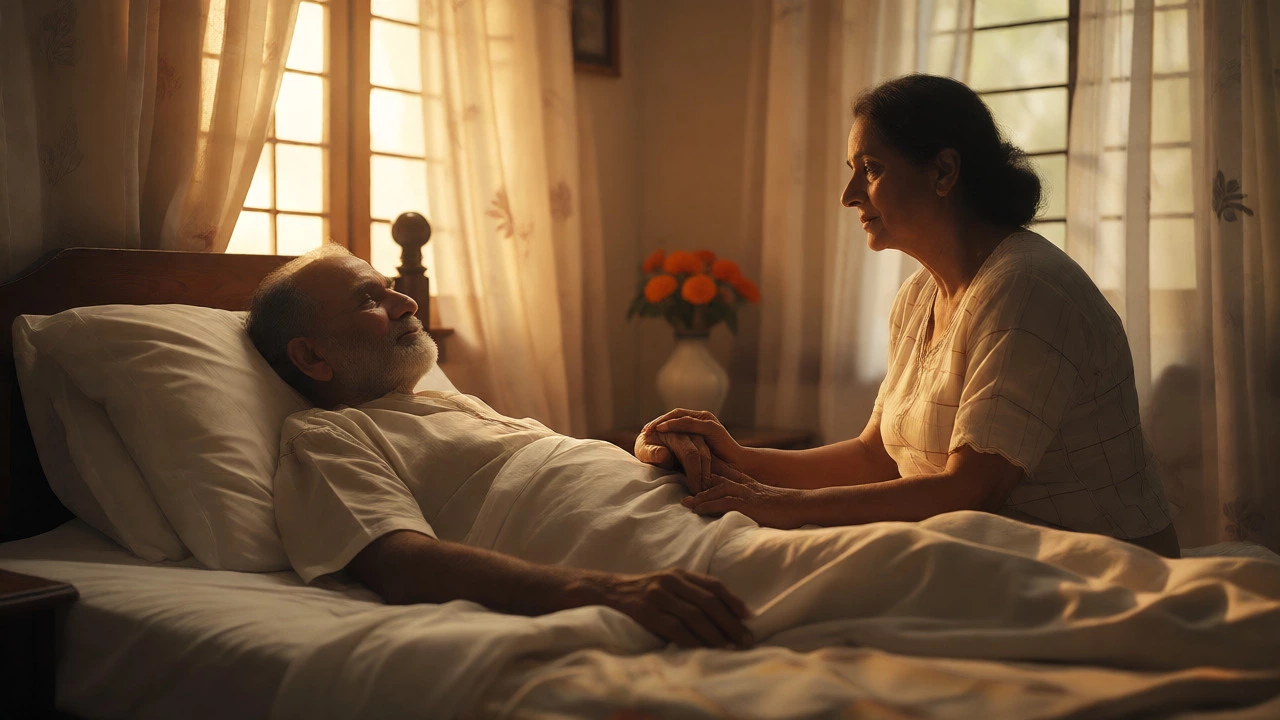
Signs Someone's Body Is Shutting Down with Cancer: A Family Guide
Learn the key physical signs that a cancer patient's body is shutting down, from appetite loss to breathing changes. Understand what to expect during the active dying phase.

What Cancer Is 100% Curable? Realistic Survival Rates & Cure Definitions
Discover which cancers have the highest cure rates, including testicular, thyroid, and Hodgkin lymphoma. Learn why early detection matters and what 'curable' really means in modern oncology.
How Long Can Someone Live With Cancer? Understanding Survival Rates and Prognosis
How long can someone live with cancer? Survival depends on type, stage, and treatment. Learn how early detection, modern therapies, and lifestyle impact life expectancy.
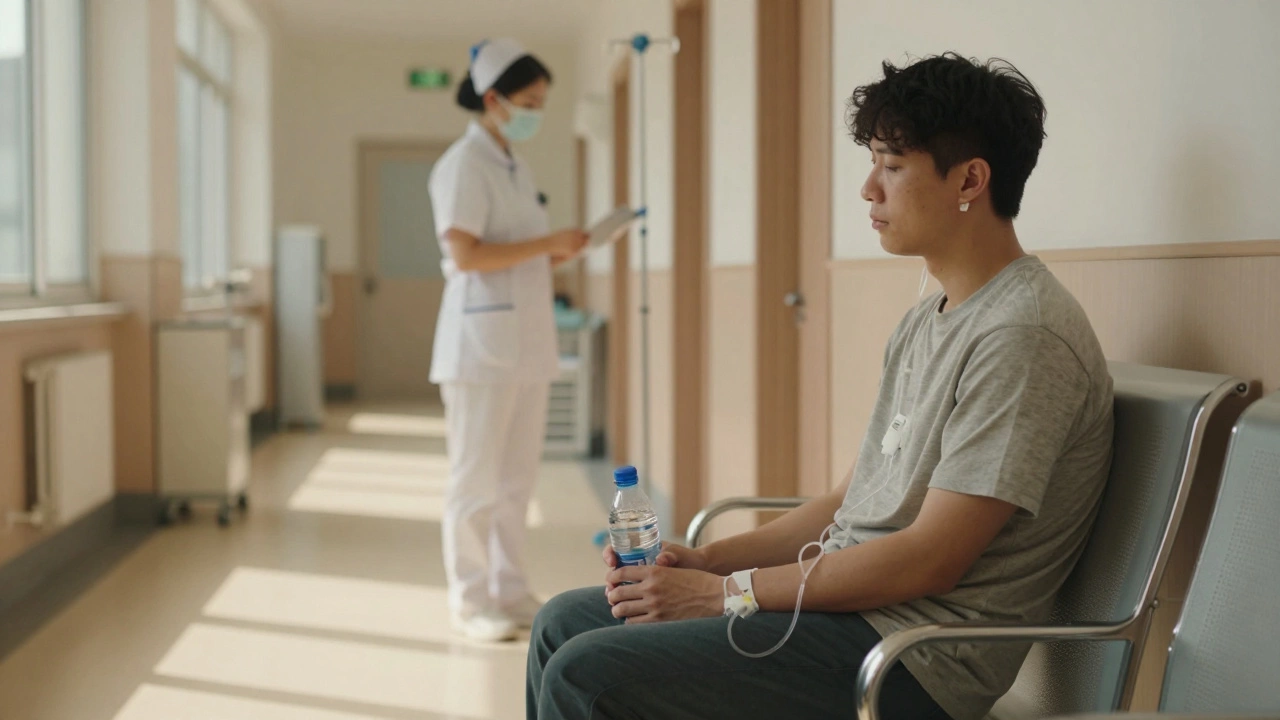
What Are the Hardest Days After Chemo? A Timeline of Recovery
Discover the timeline of post-chemo recovery, focusing on the 'nadir' days 7-14 when immunity is lowest. Learn how to manage fatigue, nausea, and mental fog during the hardest days after chemotherapy.
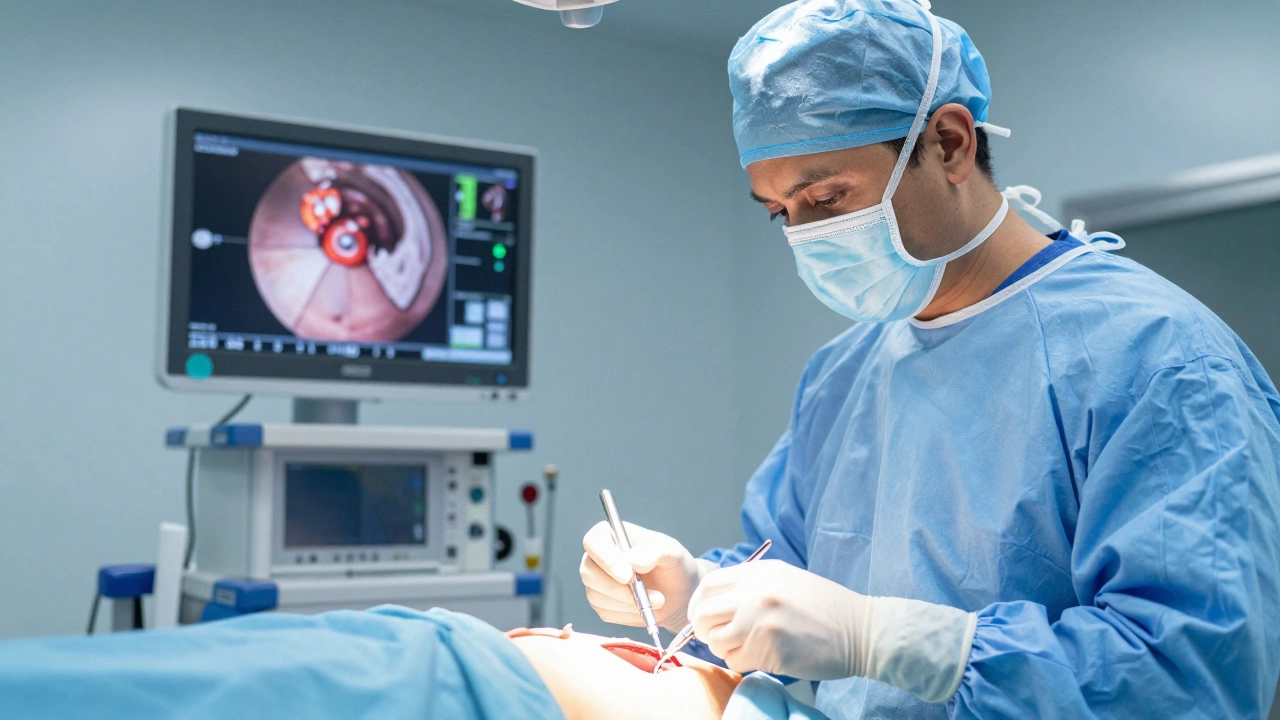
Top 5 Cancer Treatments: A Guide to Modern Therapy Options
Explore the top 5 cancer treatments including surgery, chemotherapy, radiation, immunotherapy, and targeted therapy. Learn how each works, their benefits, and side effects.
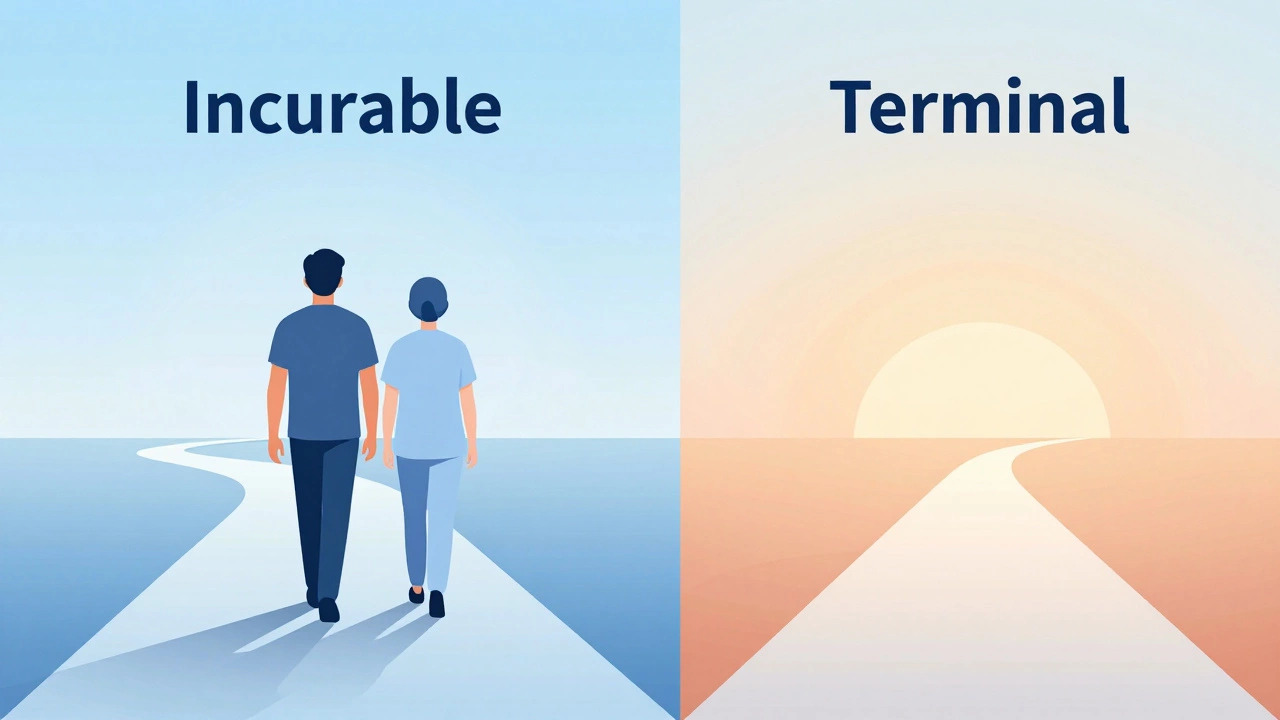
Which Cancer Is Not Curable? Understanding Incurable vs. Terminal Cancers
Learn which cancers are considered incurable versus terminal. Understand the difference between chronic cancer management and end-stage disease, and explore new treatments offering hope.
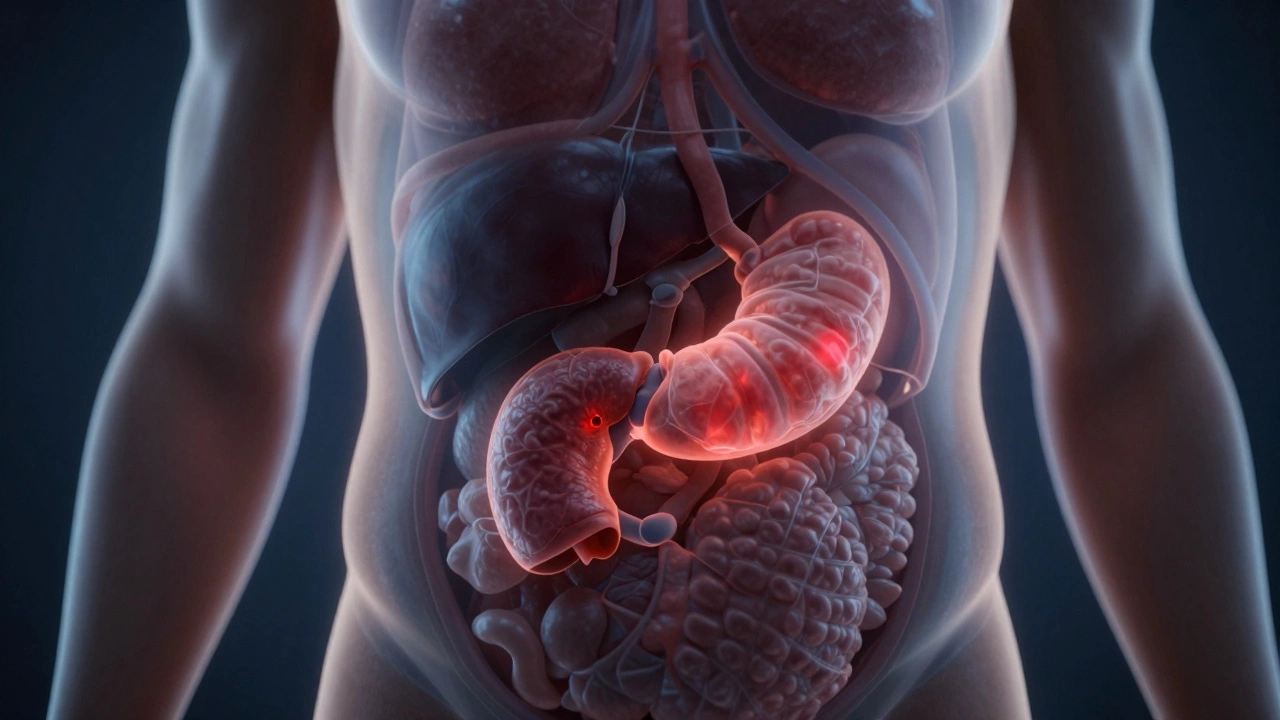
What Cancer Is Hardest to Survive? Survival Rates and Challenges Explained
Discover which cancers are hardest to survive, including pancreatic, lung, and glioblastoma. Learn about survival rates, challenges, and advancements in treatment.
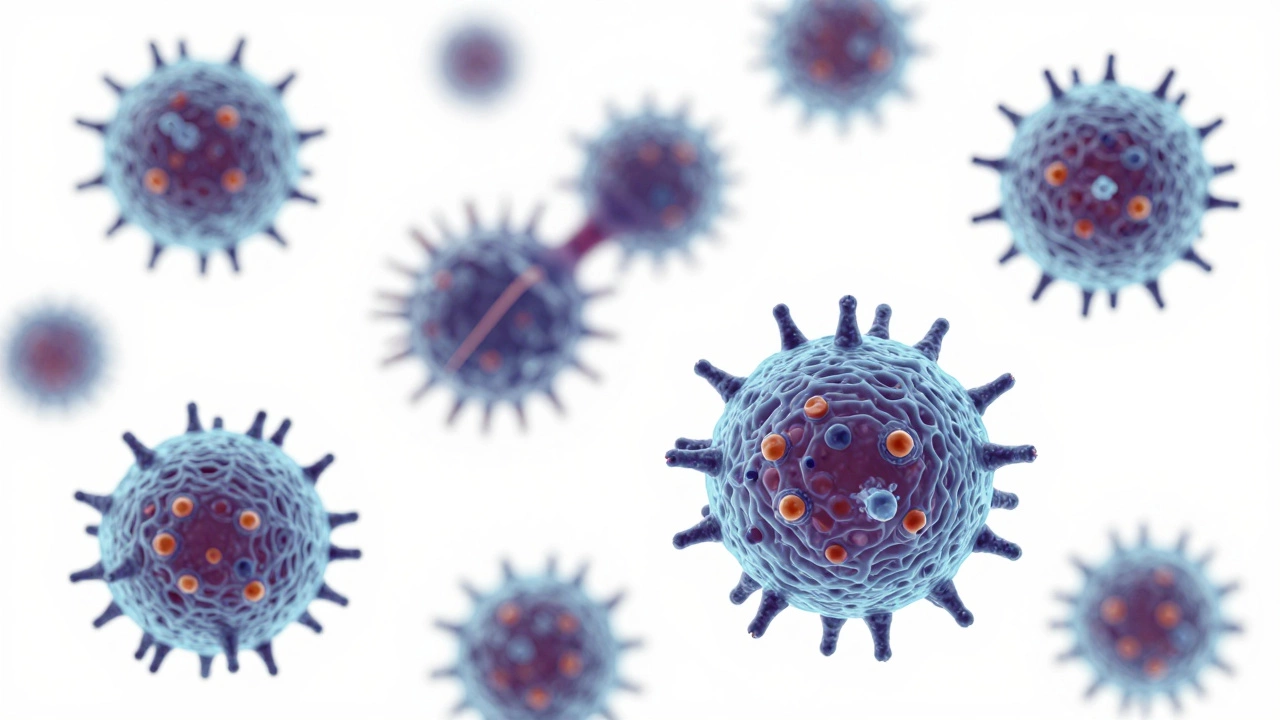
What Kills Cancer Cells in the Body: Mechanisms of Modern Treatments
Discover how chemotherapy, radiation, immunotherapy, and targeted therapies kill cancer cells. Learn the mechanisms behind modern treatments and how they work together to fight disease effectively.
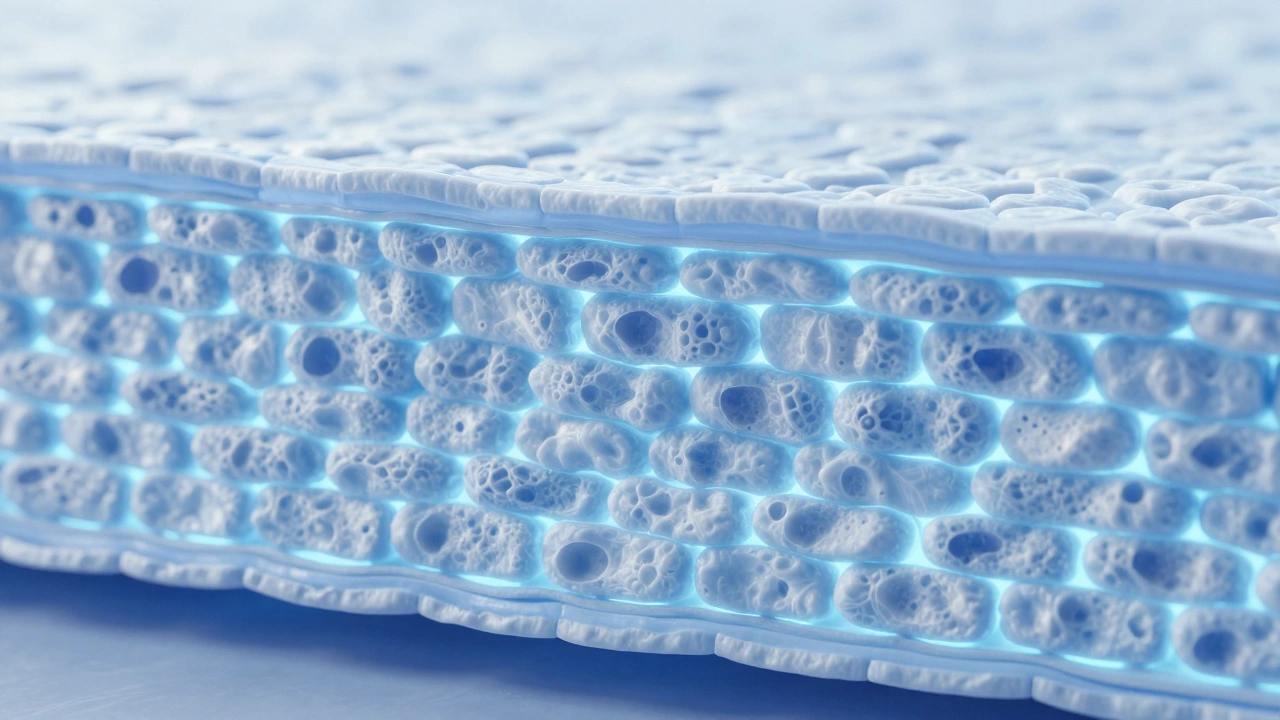
What is 90 Percent of All Cancers? Understanding Carcinoma
Discover why 80-90% of all cancers are classified as carcinoma. Learn the difference between squamous cell and adenocarcinoma, common locations, and why specific diagnosis matters for treatment.
The Deadliest Cancers: Understanding the Most Aggressive Types
Explore the most aggressive and deadly cancers, including pancreatic, lung, and liver cancer. Learn about survival rates, early warning signs, and new treatment breakthroughs.

At What Stage of Cancer Do You Feel Pain? Understanding When Pain Starts and Why
Cancer pain doesn't always mean advanced disease. Learn when pain typically appears, what causes it, and how it's managed at every stage-without myths or fear.
When Is Cancer No Longer Curable? Signs, Stages, and Real-Life Answers
Cancer isn't always a death sentence, but there comes a time when it can't be cured. Discover when cancer is considered incurable, what 'hopeless' really means in oncology, and what everyone should know—early or late.