Is Ayurveda Good or Bad for You? A Realistic Look at Benefits and Risks
 Jun, 26 2026
Ayurvedic Safety & Compatibility Checker
Enter the details below to see if specific Ayurvedic herbs might conflict with your current medications or health status.
Herbs You Are Considering:
General Safety Tips
- Look for third-party testing seals (USP, NSF).
- Avoid products containing metals (Bhasma).
- Start with food/lifestyle changes first.
Imagine swallowing a pill that tastes like earthy roots and spices. It promises to balance your energy, clear your skin, and calm your mind without the side effects of synthetic drugs. This is the promise of Ayurveda, an ancient system of medicine originating from India over 3,000 years ago. But here is the hard question: Is it actually good for you, or are you risking your health by trusting traditions that predate modern science?
The answer isn't a simple yes or no. Ayurveda can be incredibly effective for managing stress, digestion, and mild inflammation. However, it also carries serious risks, particularly regarding contamination and drug interactions. If you are considering adding Ayurvedic treatments to your routine, you need to understand exactly what you are putting into your body.
What Exactly Is Ayurveda?
To judge whether something is good or bad, you first have to know what it is. Ayurveda translates to "the science of life." Unlike Western medicine, which often treats symptoms as isolated problems, Ayurveda views the body as an interconnected system. It relies on three biological energies, known as doshas: Vata (air and space), Pitta (fire and water), and Kapha (earth and water).
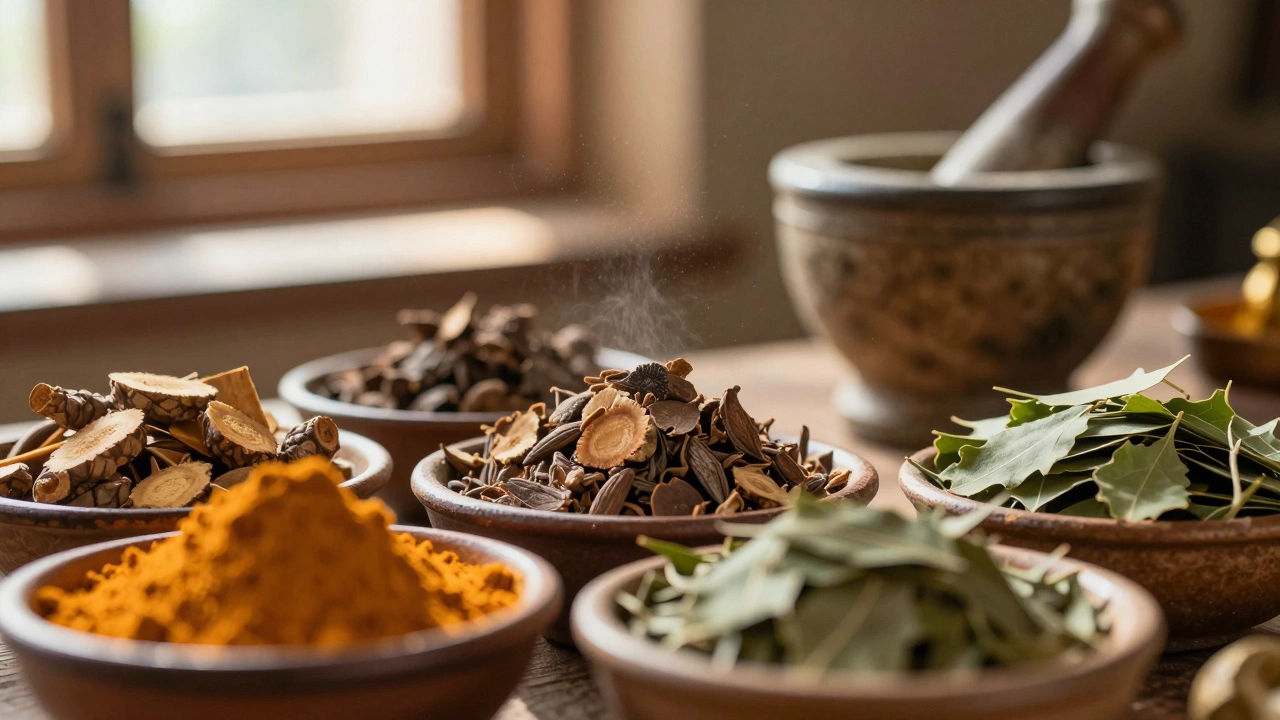
The goal is to keep these doshas in balance. Practitioners achieve this through diet changes, yoga, meditation, massage, and most importantly, herbal supplements. Common herbs include Ashwagandha, Turmeric, and Brahmi. While the philosophy sounds gentle and natural, the reality of how these remedies are made and sold today is complex.
The Good: Proven Benefits and Holistic Care
Let's start with the positives. Many people turn to Ayurveda because they feel dismissed by conventional doctors for issues like chronic fatigue, anxiety, or indigestion. In these areas, Ayurveda shines.
- Stress Reduction: Herbs like Ashwagandha have shown promise in clinical studies for lowering cortisol levels, the hormone responsible for stress. If you are constantly wired and tired, this adaptogen might help you unwind.
- Digestive Health: Ginger, cumin, and fennel are staples in Ayurvedic cooking. They stimulate digestive enzymes and reduce bloating. For many, simply adopting an Ayurvedic diet-eating warm, cooked foods rather than cold salads-improves gut comfort significantly.
- Inflammation Control: Curcumin, the active compound in Turmeric, is a potent anti-inflammatory. Regular consumption can ease joint pain and support heart health, provided you consume it with black pepper to aid absorption.
The lifestyle aspect is perhaps the biggest win. Ayurveda encourages you to listen to your body, eat seasonally, and prioritize sleep. These habits are universally good for anyone, regardless of whether you believe in doshas.
The Bad: Safety Risks You Cannot Ignore
Now, let’s talk about why you should be cautious. The word "natural" does not mean "safe." Poison ivy is natural, but you wouldn’t want to touch it. Ayurvedic medicines face two major safety challenges: heavy metal contamination and lack of standardization.
Heavy Metal Contamination
This is the most critical risk. Some traditional Ayurvedic preparations, especially those from certain regions or older formulations, intentionally include processed metals like lead, mercury, and arsenic. This practice, called Bhasma, is based on the belief that purified metals provide strength. However, purification processes vary wildly. Studies published in journals like *JAMA Internal Medicine* have found that nearly 20% of Ayurvedic products bought online or in stores contained toxic levels of lead, mercury, or arsenic.
Lead poisoning can cause nerve damage, kidney failure, and developmental issues in children. Mercury affects the brain and nervous system. If you buy a powder or tablet labeled "Ayurvedic," you are gambling unless you know the source.
Lack of Standardization
Unlike pharmaceutical drugs, herbal supplements are not strictly regulated in many countries, including the UK and US. One brand of Brahmi might contain 5% active ingredients, while another contains 50%. This inconsistency makes it impossible to predict dosage effects. You might take too little and see no benefit, or take too much and experience side effects like liver strain.

Drug Interactions: When Natural Meets Synthetic
If you are already taking prescription medication, Ayurveda can be dangerous. Herbal compounds interact with liver enzymes that process drugs. This can make your medications work too well or not at all.
| Ayurvedic Herb | Prescription Drug | Potential Risk |
|---|---|---|
| Turmeric (Curcumin) | Blood Thinners (Warfarin, Aspirin) | Increased bleeding risk |
| Ashwagandha | Sedatives, Anti-anxiety meds | Excessive drowsiness, low blood pressure |
| Ginger | Diabetes Medications | Hypoglycemia (dangerously low blood sugar) |
| Brahmi | Thyroid Medication | Altered thyroid hormone levels |
Always tell your doctor if you are taking any herbal supplements. Do not assume they are harmless just because they come from a plant.
How to Use Ayurveda Safely in 2026
You don’t have to choose between ignoring Ayurveda completely or risking your health blindly. There is a middle path. Here is how to navigate it wisely.
- Check for Third-Party Testing: Only buy brands that display certifications from independent labs like USP (United States Pharmacopeia), NSF International, or ConsumerLab. These organizations test for heavy metals, pesticides, and accurate ingredient labeling. If there is no seal, put it back.
- Avoid Bhasma Products: Steer clear of any product that lists metals (lead, mercury, gold, silver) as ingredients. Modern science has not validated the safety of ingesting metals, even if they are "purified."">
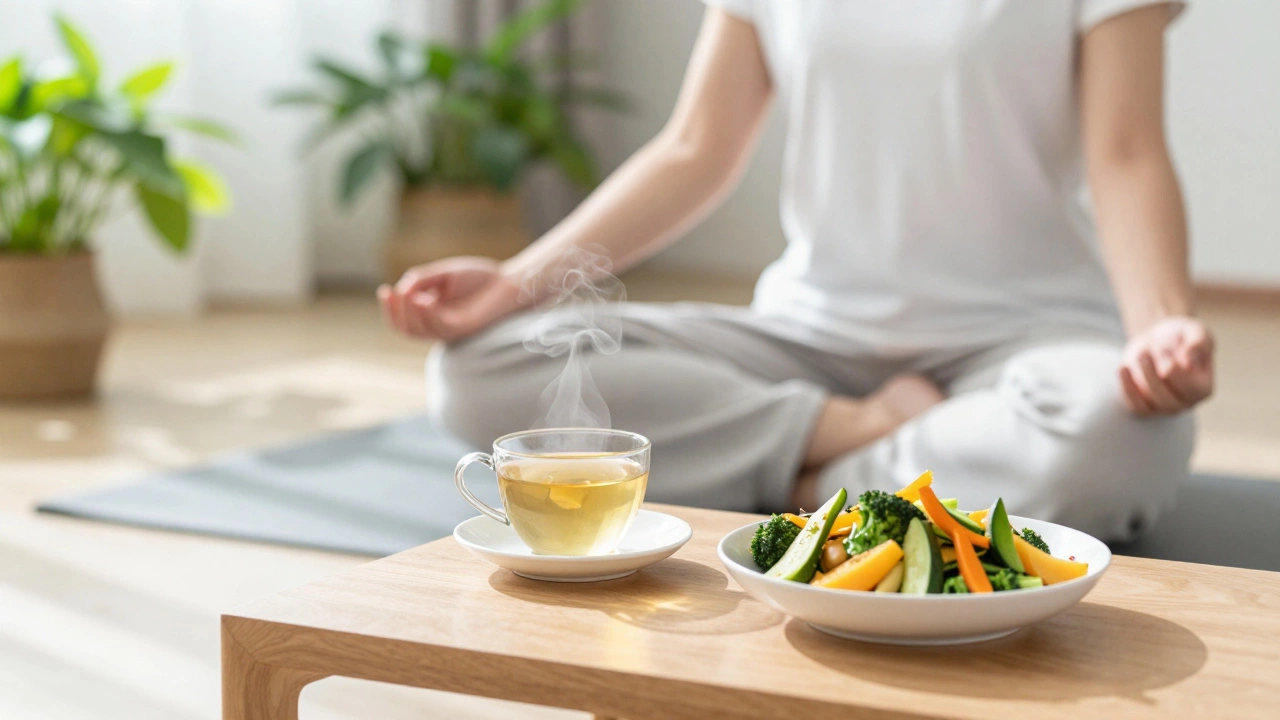
- Start with Food and Lifestyle: Before buying pills, try the dietary advice. Eat warm meals, drink ginger tea, and practice mindful eating. These steps have zero risk and high reward.
- Consult Your Doctor: Especially if you have chronic conditions like diabetes, hypertension, or autoimmune diseases. Bring the bottle to your appointment so they can check for interactions.
- Be Skeptical of Miracle Cures: If a product claims to cure cancer, diabetes, or HIV, it is a scam. Legitimate Ayurveda supports wellness; it does not replace emergency medical care.
Who Should Avoid Ayurveda?
While many benefit from Ayurvedic practices, some groups should avoid it entirely or use extreme caution:
- Pregnant Women: Many herbs stimulate uterine contractions or affect hormone levels. What is safe for you might harm the fetus.
- Children: Kids metabolize substances differently. Their small bodies are more vulnerable to heavy metal toxicity and incorrect dosages.
- People with Liver Conditions: Some herbs require healthy livers to process. If your liver is compromised, these supplements can cause further damage.
Final Thoughts: Balance Over Belief
So, is Ayurveda good or bad? It is a tool. Like any tool, its value depends on how you use it. The philosophy of balance, whole-food diets, and stress management is excellent. The commercial market for unregulated herbal powders is risky.
Approach Ayurveda with curiosity, not blind faith. Embrace the lifestyle changes that promote health. Be rigorous about the supplements you ingest. Your body deserves both tradition and truth.
Can Ayurveda cure chronic diseases?
No. Ayurveda can manage symptoms and improve quality of life for conditions like arthritis or anxiety, but it cannot cure chronic diseases like diabetes, cancer, or heart disease. Always rely on evidence-based medicine for serious conditions.
Are Ayurvedic herbs safe for daily use?
Some herbs like Turmeric and Ginger are generally safe for daily culinary use. However, concentrated supplements like Ashwagandha or Brahmi should be cycled (e.g., taken for 8 weeks, then paused) to prevent tolerance buildup and potential liver stress.
How do I know if an Ayurvedic product contains heavy metals?
You usually cannot tell by looking at the label. The only reliable way is to buy from brands that provide third-party lab testing results (COA - Certificate of Analysis) showing zero detectable heavy metals. Avoid products imported directly from unverified sources.
Does Ayurveda work for weight loss?
Ayurveda supports weight loss indirectly by improving metabolism and reducing stress-related eating. Herbs like Triphala may aid digestion. However, no herb burns fat magically. Sustainable weight loss requires calorie control and exercise, which Ayurveda encourages.
Is Ayurveda recognized by Western medicine?
Western medicine recognizes the benefits of specific Ayurvedic herbs (like Curcumin) through clinical trials. However, it does not recognize the theoretical framework of doshas as scientific fact. Most doctors view Ayurveda as complementary therapy, not a replacement for conventional treatment.