Best Herbal Supplement Companies: A Practical Guide for 2026
 Oct, 16 2026
Supplement Quality Checker
Select the features found on your current supplement bottle or brand website to calculate a Trust Score.
- 0-40 High Risk / Unknown Quality
- 41-70 Moderate / Needs Verification
- 71-89 Good / Reliable
- 90-100 Excellent / Premium Standard
Certification Cheat Sheet
| Certification | Best For |
|---|---|
| NSF | Athletes & Drug Testing Compliance |
| USP | General Purity & Potency |
| ConsumerLab | Independent Value Review |
| USDA Organic | Eco-Conscious & Non-GMO |
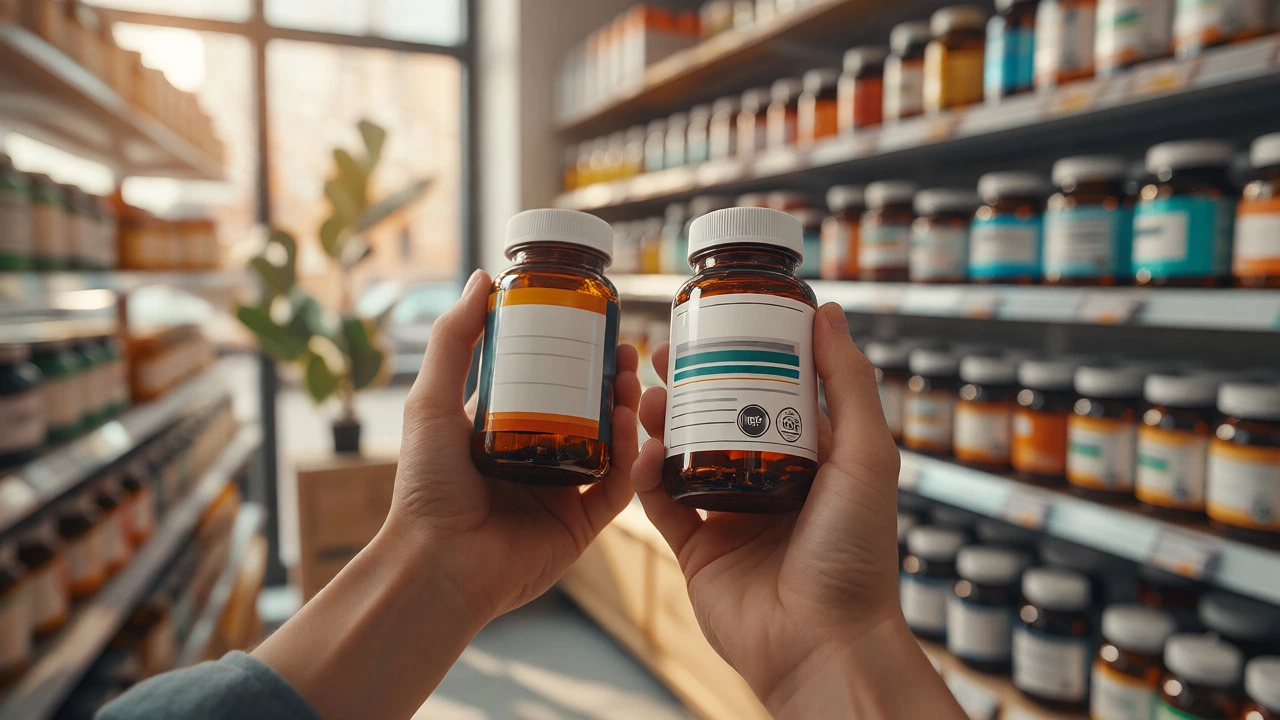
You walk into a health store or scroll through an online marketplace, and you’re hit with a wall of colorful bottles. Ashwagandha here, Turmeric there, maybe some exotic mushroom blends in between. The labels promise energy, focus, immunity, and sleep. But here’s the uncomfortable truth: unlike prescription drugs, herbal supplements are not regulated by the FDA before they hit the shelf. That means the pill in your hand might contain exactly what’s on the label-or it might be mostly rice flour and sawdust.
So, who do you trust? There is no single "best" company because your needs differ from your neighbor’s. However, there are companies that consistently earn respect for transparency, purity, and potency. This guide cuts through the marketing noise to help you find a brand that actually delivers what it promises.
Why "Best" Is Subjective (And How to Define It)
Before we name names, let’s get one thing straight: a supplement that works wonders for inflammation might do nothing for your anxiety. The "best" company is the one that aligns with your specific health goals and values. Are you looking for organic ingredients? Do you need vegan capsules? Are you willing to pay a premium for traceable sourcing?
Most people make the mistake of buying based on price or flashy packaging. Instead, focus on three non-negotiable pillars:
- Transparency: Can you see where the herbs came from?
- Testing: Does the company prove its products are free from heavy metals and pesticides?
- Potency: Are the active compounds standardized to meaningful levels?
If a company can’t answer these questions clearly, walk away. No matter how good their Instagram ads look.
The Gold Standard: Third-Party Testing Explained
This is the single most important factor in choosing a supplement brand. You cannot trust a company’s own lab results alone. Why? Because bias exists. Independent labs like NSF International, USP (United States Pharmacopeia), and ConsumerLab test batches randomly and publish their findings.
When a bottle carries an NSF Certified for Sport seal, for example, it means every batch has been tested for banned substances and contaminants. This is critical if you are an athlete or subject to drug testing. For general wellness, look for brands that provide Certificates of Analysis (CoAs) for each batch. These documents show exactly what was found in the product-lead, mercury, arsenic, and the actual amount of active ingredient.
| Certification Body | Primary Focus | Best For |
|---|---|---|
| NSF International | Safety & Banned Substances | Athletes, high-risk consumers |
| USP Verified | Purity & Potency | General health, medication interactions |
| ConsumerLab.com | Independent Review | Value-conscious buyers |
| Organic (USDA) | Farming Practices | Eco-conscious users |
Top Contenders: Who Makes the Cut in 2026?
While rankings shift, certain companies have built reputations over decades by sticking to strict standards. Here’s a breakdown of industry leaders and why they stand out.
Nature Made
Nature Made is often considered the entry point for trustworthy supplements. They hold more USP Verified marks than any other brand in the US. This means their multivitamins and basic herbals like Echinacea or Garlic have been rigorously tested for content accuracy.
Pros: Widely available, affordable, massive safety net. Cons: Limited range of specialized or adaptogenic herbs; uses synthetic binders in some formulas.
Garden of Life
If you prefer whole-food-based nutrition, Garden of Life is a strong contender. They emphasize raw, organic ingredients and avoid synthetic fillers. Their mykind Organics line is USDA Certified Organic, which matters if you want to avoid pesticide residues common in conventional farming.
Pros: Clean ingredient lists, vegan options, organic sourcing. Cons: Higher price point; some products have lower concentrations of active compounds compared to extracts.
Thorne
Practitioners love Thorne because they prioritize bioavailability. They use forms of nutrients that your body can actually absorb easily. Thorne partners with the Mayo Clinic and U.S. Olympic teams, which speaks volumes about their commitment to purity. Every batch undergoes rigorous testing for over 250 contaminants.
Pros: Highest purity standards, practitioner-grade quality, excellent absorption. Cons: Expensive; primarily sold through healthcare providers or direct-to-consumer sites.
MegaFood
MegaFood takes a unique approach called "FoodState," meaning they extract nutrients from real foods rather than isolating them chemically. Their farm-to-table model allows you to trace ingredients back to specific farms in the USA and Europe.
Pros: Transparent sourcing, gentle on the stomach, whole-food matrix. Cons: Lower potency per capsule requires taking multiple pills; limited international availability.
Traditional Medicinals
Known originally for their teas, Traditional Medicinals extends this expertise into capsules and tinctures. They work directly with growers to ensure sustainable harvesting of wild-crafted herbs. If you care about environmental impact and ethical sourcing, this is a top choice.
Pros: Ethical sourcing, strong reputation for women’s health herbs, accessible pricing. Cons: Narrower focus on traditional Western herbalism; fewer modern adaptogens.

Red Flags: How to Spot a Bad Supplement Company
Not all brands play fair. When shopping, keep an eye out for these warning signs:
- Proprietary Blends: If a label says "Immune Blend 500mg" but doesn’t list how much of each ingredient is included, you’re likely getting mostly cheap filler. Always look for transparent dosing.
- Too-Good-To-Be-True Claims: Phrases like "cures cancer," "instant weight loss," or "miracle cure" are red flags. Reputable companies stick to structure/function claims approved by regulators.
- No Contact Information: If you can’t find a phone number or physical address on the website, think twice. Legitimate companies stand behind their products.
- Lack of Batch Numbers: Without a lot/batch number on the bottle, there’s no way to verify if that specific container was tested.
Budget vs. Premium: Where Should You Spend?
Do you really need to spend $40 on a bottle of vitamins when a $10 option exists? Sometimes yes, sometimes no.
For basic multivitamins or common minerals like Magnesium and Vitamin C, mid-range brands with USP verification (like Nature Made) offer great value. The chemistry is simple, and contamination risks are lower.
However, for complex botanicals like Curcumin (Turmeric), Boswellia, or Ashwagandha, quality varies wildly. Cheap turmeric supplements often have poor absorption rates unless paired with black pepper extract (Bioperine). Premium brands like Thorne or Gaia Herbs invest in extraction methods that preserve active compounds. In these cases, paying extra ensures you’re actually getting the therapeutic dose.

How to Verify Your Current Supplements
You don’t have to throw away everything in your cabinet. Start by checking the labels of your current stash against our criteria.
- Look for Seals: Scan for NSF, USP, or Non-GMO Project Verified logos.
- Check the Website: Go to the manufacturer’s site. Search for "Quality" or "Testing." Do they publish CoAs?
- Read Reviews Critically: Ignore five-star reviews that sound like ads. Look for detailed user experiences mentioning side effects or efficacy.
- Contact Customer Service: Ask them, "Can you provide a Certificate of Analysis for batch #XYZ?" If they hesitate or say no, consider switching.
The Future of Herbal Sourcing
As we move deeper into 2026, sustainability is becoming a key differentiator. Climate change affects crop yields, leading to inconsistent potency in herbs harvested from wild populations. Leading companies are now investing in regenerative agriculture partnerships. Brands like MegaFood and Traditional Medicinals are pioneering this shift, ensuring that the soil health translates to plant health, and ultimately, your health.
Additionally, blockchain technology is starting to appear in supply chains. Some high-end brands allow you to scan a QR code and see the exact journey of your ashwagandha root-from the farm in India to the lab in Utah. This level of transparency wasn’t possible ten years ago, and it’s setting a new standard for trust.
Are expensive herbal supplements always better?
Not necessarily, but they often are. High prices usually reflect better sourcing, cleaner extraction processes, and rigorous third-party testing. However, some mid-tier brands with USP verification offer excellent value for basic nutrients. Always check for certifications rather than just relying on price as a proxy for quality.
What does "proprietary blend" mean on a label?
A proprietary blend indicates that the manufacturer mixes several ingredients together without disclosing the exact amount of each component. This allows companies to hide low doses of expensive ingredients by bulking up the formula with cheaper ones. For effective supplementation, look for labels that specify the milligram dosage of each individual herb.
Is it safe to take herbal supplements with prescription medications?
It depends on the herb and the medication. St. John's Wort, for example, interacts significantly with antidepressants and birth control pills. Always consult your healthcare provider before starting new supplements, especially if you manage chronic conditions or take blood thinners. Reputable companies often list potential interactions on their websites.
How long does it take for herbal supplements to work?
Unlike pharmaceuticals, herbal remedies often require consistent use over time. Adaptogens like Ashwagandha may take 4-8 weeks to show noticeable effects on stress levels. Acute herbs like Peppermint oil for digestion might work within hours. Patience and consistency are key, so follow the recommended dosage for at least a month before judging effectiveness.
Can I rely on Amazon reviews to choose a brand?
Amazon reviews are helpful but should be treated with caution. Many reviews are incentivized or fake. Use them to identify common complaints (e.g., "bad taste," "capsules broke") rather than efficacy claims. Prioritize brands that have independent third-party testing seals, as these provide objective proof of quality beyond user opinions.