What is the Queen of All Herbs? Turmeric Benefits and Uses
 Aug, 21 2026
Turmeric Absorption & Dosage Calculator
Walk into any traditional Indian kitchen or browse an Ayurvedic pharmacy in Birmingham, and you will likely see a bright yellow powder sitting on the shelf. This is Turmeric, widely known as the queen of all herbs. But why does it hold such a high title? It is not just a spice for color; it is a powerhouse used for thousands of years to heal inflammation, boost immunity, and support digestion. If you have heard the term but are unsure what it actually refers to, this guide breaks down exactly which herb earns that crown and how it works.
The Identity Behind the Title
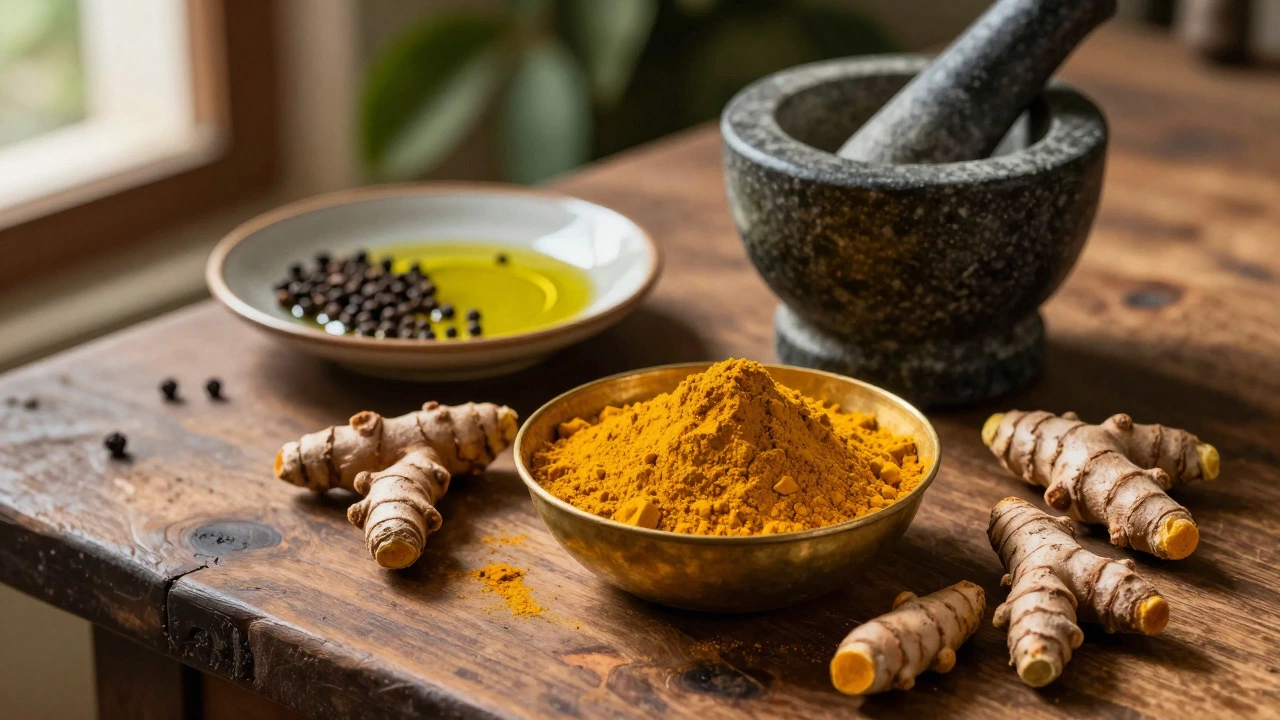
When people ask "what is queen of all Herbs?", they are almost always referring to Curcuma longa, the plant species behind common turmeric. In a system of medicine based on balancing body types using natural remedies, turmeric has been a staple since ancient times. It belongs to the ginger family (Zingiberaceae) and is native to South Asia. The reason for its royal status is simple: unlike many other herbs that target one specific issue, turmeric offers broad-spectrum benefits. It acts as an antioxidant, an anti-inflammatory agent, and a digestive aid simultaneously. This versatility makes it the most frequently prescribed herb in traditional practices across India and Southeast Asia.
Why Turmeric Earns the Crown
To understand why this herb is so revered, we need to look at its active compound: Curcumin. Curcumin is the bioactive polyphenol responsible for turmeric’s yellow color and most of its health effects. Modern research has highlighted several key reasons for its popularity:
- Potent Anti-Inflammatory Action: Chronic inflammation is linked to heart disease, cancer, and Alzheimer’s. Curcumin blocks NF-kB, a molecule that travels into the nuclei of your cells and turns on genes related to inflammation.
- Antioxidant Boost: Free radicals damage cells over time. Curcumin neutralizes these free radicals and also boosts your body’s own antioxidant enzymes.
- Digestive Support: It stimulates bile production, which helps break down fats and improves overall gut health.
- Bone Health: Studies suggest it can enhance bone formation and speed up healing after fractures.
While other herbs like ginger or ashwagandha have strong niches, few match the breadth of turmeric’s application. It is used in cooking, cosmetics, dyes, and medicine, making it a true multi-tool in the herbal world.
Turmeric vs. Other Top Contenders
Is turmeric truly the only contender for this title? Some argue that Ashwagandha or Ginger deserve the spot. Let’s compare them to see where turmeric stands out.
| Herb | Primary Benefit | Key Active Compound | Common Use Case |
|---|---|---|---|
| Turmeric | Anti-inflammatory & Antioxidant | Curcumin | Joint pain, skin issues, general wellness |
| Ginger | Nausea relief & Digestion | Gingerols | Morning sickness, motion sickness, colds |
| Ashwagandha | Stress reduction (Adaptogen) | Withanolides | Anxiety, fatigue, sleep improvement |
| Boswellia | Joint inflammation | Boswellic acids | Osteoarthritis, rheumatoid arthritis |
As you can see, Ginger is superior for nausea, and Ashwagandha wins for stress management. However, Turmeric’s ability to address systemic inflammation while supporting liver function and skin health gives it the edge for the "Queen" title. It is the foundational herb upon which many other treatments are built.
How to Use Turmeric Effectively
Knowing what the herb is doesn’t help if you don’t know how to use it. One major pitfall is poor absorption. Curcumin is poorly absorbed by the body on its own. To get real benefits, you need to follow these simple rules:
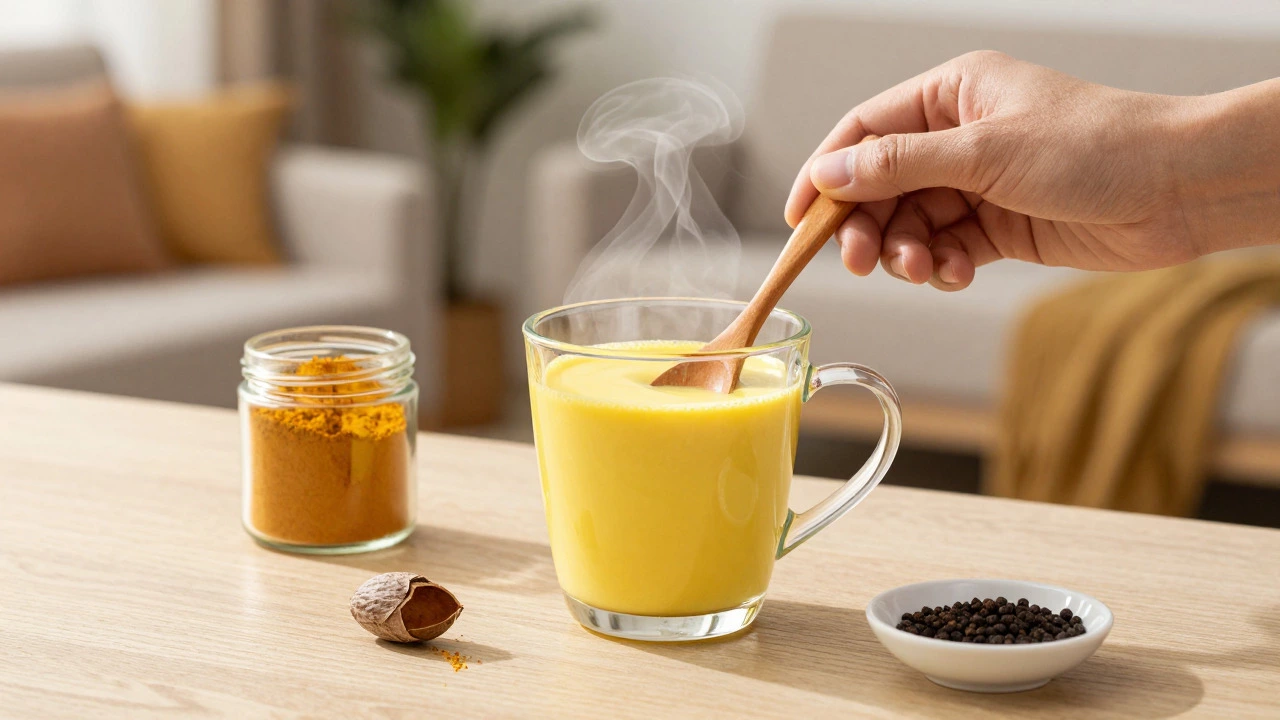
- Add Black Pepper: Piperine, found in black pepper, increases curcumin absorption by up to 2000%. A pinch with your turmeric is non-negotiable.
- Use Fat: Curcumin is fat-soluble. Take it with olive oil, coconut milk, or ghee to ensure your body can process it.
- Heat It Gently: High heat can degrade some compounds. Add turmeric towards the end of cooking or use it in warm drinks like golden milk.
In Birmingham, you can find high-quality organic turmeric powder in most health food stores. Look for brands that specify "95% curcuminoids" if you are buying supplements, as standard culinary turmeric only contains about 3-5% curcumin.
Safety and Precautions
Like any potent substance, turmeric requires caution. While generally safe for most people, here is who should be careful:
- Gallbladder Issues: Turmeric stimulates bile. If you have gallstones, consult a doctor before taking high doses.
- Blood Thinners: It has mild blood-thinning properties. If you are on warfarin or aspirin, monitor your dosage.
- Surgery: Stop taking concentrated turmeric supplements two weeks before scheduled surgery due to bleeding risks.
Culinary amounts (1-2 teaspoons per day) are safe for nearly everyone. Supplemental doses (500mg-1000mg of standardized extract) should be taken under guidance.
Frequently Asked Questions
Is turmeric the same as saffron?
No. Saffron comes from the Crocus sativus flower and is much more expensive. Turmeric comes from the root of the Curcuma longa plant. They look similar when dried but have different chemical profiles and uses.
What is the best form of turmeric to buy?
For daily cooking, fresh root or high-quality organic powder is best. For therapeutic benefits, look for standardized extracts containing 95% curcuminoids, often combined with piperine for better absorption.
Can I take turmeric every day?
Yes, daily use is recommended for long-term anti-inflammatory benefits. Consistency is key. Just ensure you are pairing it with black pepper and a healthy fat to maximize absorption.
Does turmeric stain clothes?
It does. The pigment is very strong. If you spill it, treat the stain immediately with cold water and dish soap. Heat sets the stain, so avoid hot water until the initial wash is done.
What is the difference between turmeric and ginger?
Both are from the same family. Ginger is primarily used for nausea and circulation, while turmeric is focused on reducing systemic inflammation and acting as an antioxidant. They work well together in many recipes.