Why can't you kiss during chemo? Safety, Risks, and Intimacy
 Nov, 10 2026
Chemo Kissing Safety Checker
Navigate intimacy with confidence. This tool helps you evaluate the risk level of kissing based on your current treatment phase and your partner's health.
You’re sitting on the sofa, your partner looks tired from a long day, and you lean in for a quick peck. But then you hesitate. Is it safe? Will you pass something to them? Or worse, will they pass something to you? This hesitation is one of the most common unspoken worries for couples navigating chemotherapy. The idea that you have to pause intimacy feels clinical, cold, and frankly, unfair. But there’s a solid medical reason behind the caution, and it’s not about banning love-it’s about managing biology.
The Real Reason: Your Immune System Is On Vacation
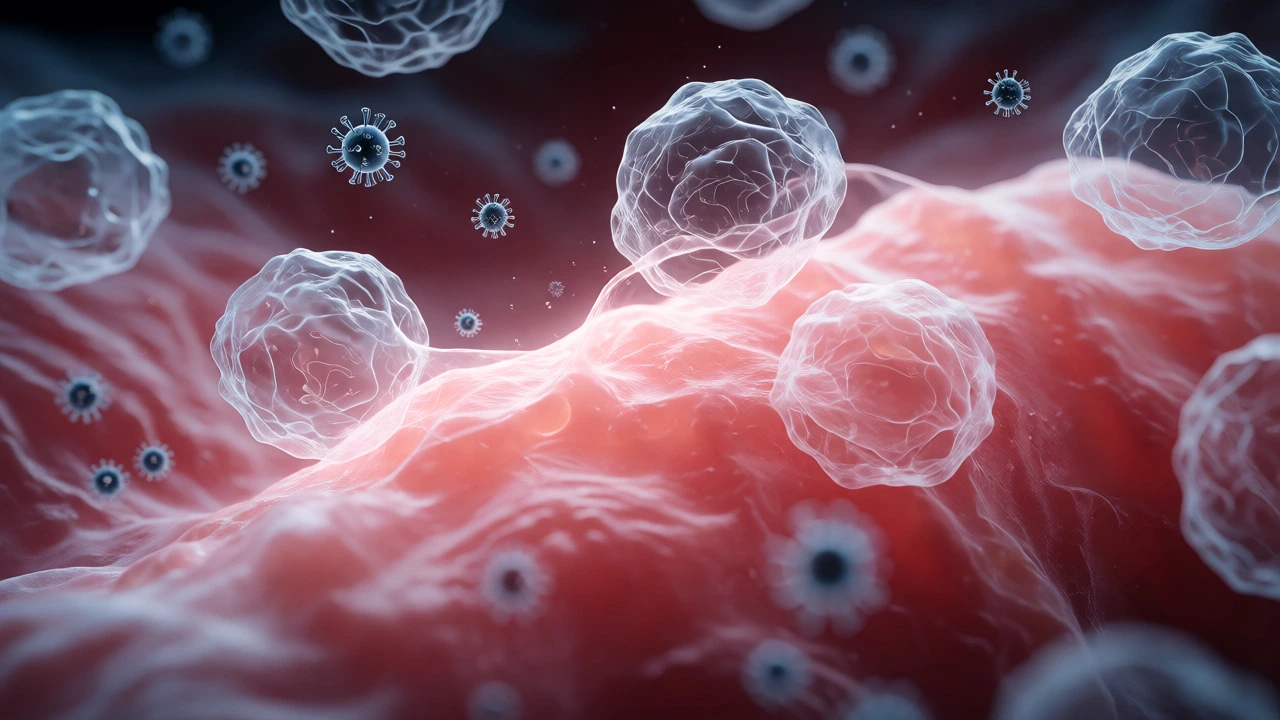
Let’s cut through the noise. You aren’t radioactive after standard chemotherapy. That’s a myth left over from radiation therapy days. The real issue with kissing during chemo isn’t what comes out of your mouth; it’s what happens inside your body. Chemotherapy drugs are designed to kill fast-growing cells. Unfortunately, cancer cells aren’t the only ones growing fast. Your bone marrow, which produces white blood cells, gets hit hard too.
This leads to a condition called neutropenia, where your count of neutrophils (a type of white blood cell) drops dangerously low. Think of neutrophils as your body’s first line of defense against bacteria and viruses. When their numbers crash, you become vulnerable to infections that a healthy person wouldn’t even notice. A simple cold sore virus or a mild stomach bug could turn into a hospital stay. So, when doctors say "be careful," they aren’t worried about you hurting your partner. They’re worried about your partner accidentally handing you a germ you can’t fight off right now.
When Kissing Is Actually Safe (And When It Isn’t)
Here is the good news: you don’t need to wear a hazmat suit to show affection. For most patients, casual kissing-like a peck on the cheek or a brief closed-mouth kiss-is perfectly fine. The risk spikes when we talk about deep, open-mouthed kissing, especially if either person has an active infection.
Consider the mechanics. Saliva is a vehicle for pathogens. If your partner has a cold, the flu, or even just gingivitis, the exchange of saliva increases the load of microbes entering your system. Since your immune response is suppressed, those microbes have a free pass to set up shop. However, if both you and your partner are healthy, well-rested, and practicing good hygiene, the risk is minimal.
There is a specific exception regarding medication excretion. Some chemotherapy drugs are excreted in bodily fluids, including saliva, urine, and sweat, for a short period after infusion. This usually lasts 48 to 72 hours. During this window, some oncologists advise avoiding open-mouth kissing to prevent your partner from ingesting trace amounts of the drug. While the amount is tiny and unlikely to cause harm, it’s a precaution worth taking. Check with your care team, but generally, waiting two days post-treatment before engaging in intense physical intimacy is a smart move.
The Mouth Ulcer Problem
Kissing during chemo brings up another practical hurdle: mucositis. This is the medical term for inflammation and ulceration of the mucous membranes lining the digestive tract, starting at the mouth. Chemo attacks these sensitive tissues, causing painful sores known as aphthous ulcers.
If you have active mouth sores, kissing becomes physically painful for you. It also creates an open wound environment. Open wounds are entry points for bacteria. If your partner kisses you while you have raw spots on your inner cheeks or gums, you’re essentially exposing a fresh injury to whatever is in their mouth. This can lead to secondary bacterial infections, like oral thrush (candidiasis), which is already a high risk for chemo patients due to antibiotic use and immune suppression.
Pro Tip: If your mouth is sore, try kissing on the forehead, hands, or neck. These areas aren’t affected by mucositis and allow you to maintain closeness without the pain or infection risk.
Radiation Therapy vs. Chemotherapy: Clearing Up Confusion
People often mix up chemotherapy and radiation because both are treatments for cancer, but their impact on intimacy differs significantly. With external beam radiation, you are never "radioactive." You can hug, kiss, and sleep next to your partner immediately after treatment. There is no residual radiation leaving your body to affect others.
However, if you are undergoing brachytherapy (internal radiation), where a radioactive source is placed inside your body, the rules change. In this case, you might be asked to limit close contact, including kissing, for a few days to protect your partner from radiation exposure. This is rare compared to standard chemo, but it’s a crucial distinction. Always ask your radiologist specifically about "close contact" restrictions if you have an implant.
| Treatment Type | Infection Risk to Patient | Drug/Radiation Risk to Partner | Kissing Recommendation |
|---|---|---|---|
| Standard IV Chemotherapy | High (Neutropenia) | Low (Trace drug in saliva) | Avoid open-mouth kissing for 48-72 hrs post-infusion; otherwise safe if partner is healthy. |
| Oral Chemotherapy Pills | High (Continuous suppression) | Moderate (Drug in saliva/sweat) | Wear gloves handling pills; avoid deep kissing for 24-48 hrs after dose. |
| External Beam Radiation | Low-Moderate | None | No restrictions related to radiation; follow general hygiene. |
| Brachytherapy (Implants) | Low | High (Radiation exposure) | Strict limits on close contact/kissing per doctor's protocol. |
Emotional Intimacy Matters More Than You Think
Isolation is a side effect nobody warns you about enough. Cancer treatment can feel lonely, even when you’re surrounded by family. Touch releases oxytocin, the bonding hormone, which helps reduce stress and anxiety. Cutting off all physical contact can strain relationships and worsen mental health outcomes for both partners.
Don’t let fear dictate your entire life. Communication is key. Talk to your partner about your fears. Are they sick? Do they work with kids who bring home every virus going around? If your partner is a teacher or works in healthcare, the risk profile changes. You might need to be stricter about hand washing and avoiding face-to-face contact when they’ve been exposed to illness.
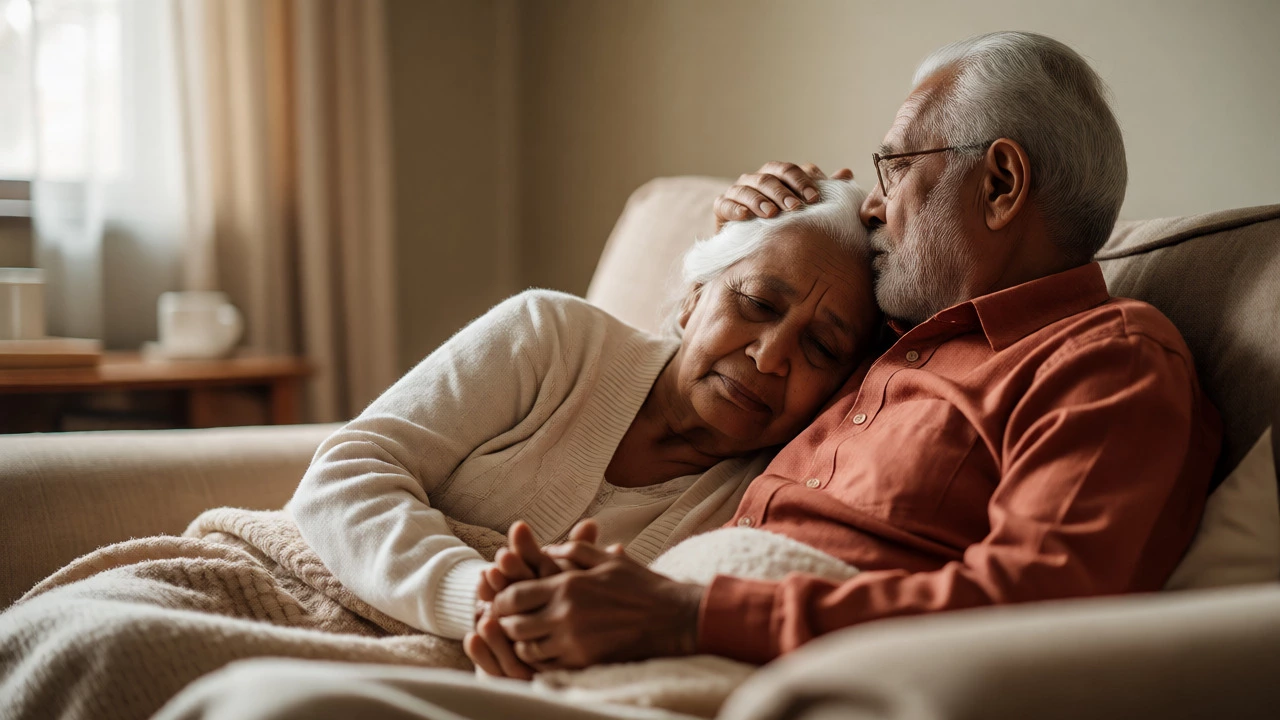
Find alternatives. Cuddling, holding hands, and back massages provide significant emotional support without the microbial exchange of kissing. Many couples find that redefining intimacy actually strengthens their bond during treatment. It forces creativity and mindfulness, turning a moment of routine affection into a deliberate act of care.
Practical Hygiene Rules for Couples
If you want to keep kissing safe, here are concrete steps to reduce risk without losing connection:
- Hand Hygiene First: Both partners should wash hands thoroughly before any close contact. This removes transient germs picked up from surfaces.
- Dental Health Check: Ensure your partner has healthy gums. Gingivitis increases the bacterial load in saliva. If they have bleeding gums or recent dental work, skip the lip-lock for a few days.
- Sick Day Protocol: If your partner has a runny nose, cough, or fever, treat them like they’re carrying Ebola. No kissing until symptoms resolve plus 24 hours. Their immune system can handle it; yours currently cannot.
- Lip Balm Barrier: Keep your lips moisturized. Cracked lips are micro-wounds. Use a plain, fragrance-free balm to maintain a barrier.
- Timing Matters: Avoid kissing immediately after eating. Food particles in saliva can harbor bacteria. Wait an hour after meals for better oral hygiene conditions.
What About Sex?
While the question was about kissing, sex is the bigger elephant in the room. The same principles apply but with higher stakes. Semen and vaginal secretions can contain chemotherapy metabolites. Condoms are recommended during and for several months after treatment to prevent pregnancy (since chemo damages sperm and eggs) and to minimize fluid exchange. For many men, erectile dysfunction occurs due to nerve damage or fatigue. For women, dryness is common. Lubricants help, but check ingredients to ensure they don’t irritate sensitive tissue. Again, communication is vital. Adjust expectations, prioritize comfort, and remember that non-penetrative intimacy counts just as much.
Am I contagious to my family during chemotherapy?
No, you are not contagious. You cannot give someone cancer, and you do not emit radiation from standard chemotherapy. However, you are more susceptible to catching infections from others. Therefore, the focus is on protecting you, not them.
How long does chemotherapy stay in saliva?
Most chemotherapy drugs are cleared from bodily fluids within 48 to 72 hours after administration. During this window, trace amounts may remain in saliva, sweat, and urine. Doctors typically recommend avoiding open-mouth kissing and unprotected sex during this period.
Can I kiss my children if I am on chemo?
Yes, but with caution. Children are frequent carriers of viruses. Ask them to wash their faces and hands before hugging or kissing you. Avoid kissing them on the mouth if they have any signs of illness, such as a cold or fever. Cheek kisses are generally safer.
Does chemotherapy make your breath smell?
Yes, many patients experience "chemo breath," a metallic or chemical taste/smell caused by the drugs being excreted through the lungs and saliva. This is temporary. Brushing teeth frequently, using alcohol-free mouthwash, and staying hydrated can help mask the odor and improve comfort.
Should my partner get vaccinated?
Ideally, yes. Household members should stay up-to-date on vaccines, particularly the annual flu shot. This reduces the chance of bringing home a virus that could severely impact your compromised immune system. Note that live vaccines (like MMR) might pose a slight risk if the recipient sheds the virus, so consult your oncologist before household members receive new live vaccines.