What Cancer Is Hardest to Survive? Survival Rates and Challenges Explained
 May, 28 2026
When we talk about cancer, the conversation often turns to fear. But understanding the reality of survival rates can help demystify the disease and highlight where medical science is making its biggest strides-and where it still faces steep challenges. Not all cancers are created equal. Some types are caught early and treated with high success rates, while others remain stubbornly difficult to manage due to their aggressive nature or late diagnosis.
If you’re wondering which cancer is hardest to survive, the answer isn’t just one type. It’s a combination of factors including how fast the tumor grows, where it’s located, and how well current treatments work against it. According to recent data from major health organizations like the American Cancer Society and the World Health Organization, certain cancers consistently show lower five-year survival rates compared to others.
Before diving into the specifics, here’s what you need to know:
- Pancreatic cancer has one of the lowest survival rates globally.
- Lung cancer remains deadly due to late-stage diagnoses.
- Glioblastoma (a brain tumor) is particularly hard to treat because of its location.
- Rare cancers often lack targeted therapies, making them harder to fight.
- Early detection dramatically improves outcomes for many cancers.
Let’s break down why these cancers are so challenging and what researchers are doing to change that.
Pancreatic Cancer: The Silent Killer
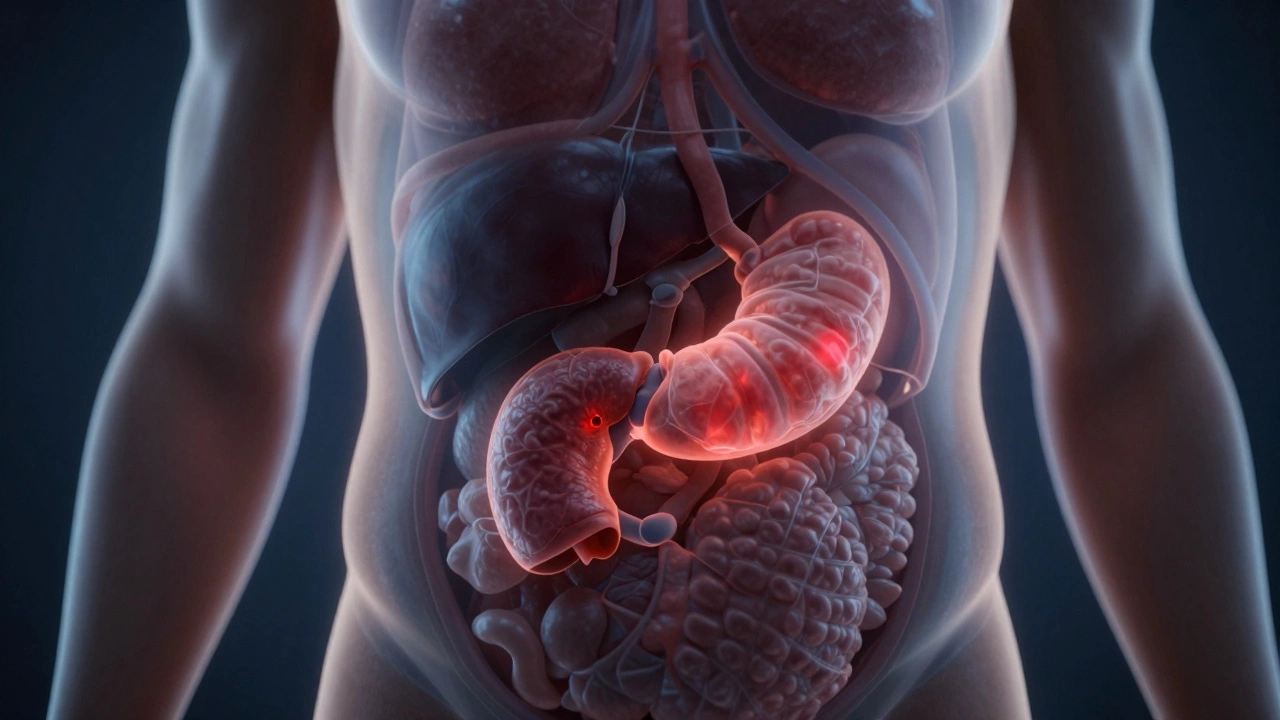
Pancreatic cancer is a malignant growth in the pancreas, an organ behind the stomach that plays a key role in digestion and blood sugar regulation. This cancer is notoriously difficult to detect early because symptoms often don’t appear until the disease has spread. By the time most people are diagnosed, the cancer has already reached advanced stages.
The five-year survival rate for pancreatic cancer hovers around 10-12%, according to the National Cancer Institute. That means only about one in ten patients live five years after diagnosis. Why is this number so low?
First, the pancreas is tucked deep inside the abdomen, making tumors hard to spot during routine exams. Second, the cancer tends to grow quickly and invade nearby organs like the liver, lungs, and lymph nodes. Third, there aren’t many effective treatment options once the cancer spreads beyond the pancreas.
However, scientists are working on new approaches. Immunotherapy, gene therapy, and targeted drugs are being tested in clinical trials. For example, some studies suggest that combining chemotherapy with immune-boosting treatments could improve outcomes for certain patients. While progress is slow, every small step forward matters.
Lung Cancer: Still a Major Threat
Lung cancer is the leading cause of cancer deaths worldwide, primarily linked to smoking but also caused by exposure to radon, asbestos, and air pollution. Despite advances in screening tools like low-dose CT scans, lung cancer remains one of the deadliest forms of the disease.
The five-year survival rate for lung cancer varies depending on the stage at diagnosis. If caught early-when the cancer is still confined to the lungs-the survival rate jumps to over 60%. But if the cancer has spread to other parts of the body, the rate drops below 5%.
Why does lung cancer get diagnosed so late? Symptoms like coughing, shortness of breath, and chest pain are easy to ignore or attribute to less serious conditions. Many people wait until they feel significantly ill before seeing a doctor. Even then, imaging tests may not reveal smaller tumors until they’ve grown large enough to be detected.
That’s why public health campaigns focus heavily on prevention. Quitting smoking reduces your risk of developing lung cancer by up to 90% within 10-15 years. Regular screenings for high-risk individuals-such as heavy smokers aged 50-80-can catch the disease earlier when it’s more treatable.
Glioblastoma: A Brain Tumor Challenge
Glioblastoma is an aggressive form of brain cancer that arises from glial cells, which support neurons in the central nervous system. It accounts for nearly half of all primary brain tumors in adults and carries a grim prognosis.
The median survival time for glioblastoma patients is just 12-15 months, even with aggressive treatment. Surgery, radiation, and chemotherapy are standard care, but none of these methods completely eliminate the cancer. Glioblastoma cells tend to infiltrate surrounding healthy tissue, making complete removal impossible without damaging critical brain functions.
Researchers are exploring innovative solutions. One promising area is personalized medicine, where doctors analyze the genetic makeup of a patient’s tumor to tailor treatments specifically for them. Another approach involves using nanoparticles to deliver drugs directly to cancer cells while sparing healthy ones.
While glioblastoma remains incredibly tough to beat, ongoing research offers hope. Clinical trials continue to test novel therapies, and some patients have experienced remarkable responses to experimental treatments.

Rare Cancers: Forgotten but Fatal
Rare cancers are types of cancer that affect fewer than six out of every 100,000 people annually. These include cancers of the adrenal gland, bile ducts, ovaries, and certain bone and soft tissues. Because they’re uncommon, rare cancers receive far less attention and funding than common types like breast or prostate cancer.
This lack of resources translates into poorer outcomes. Fewer clinical trials mean fewer treatment options. Doctors may struggle to diagnose rare cancers accurately since they encounter them infrequently. Patients often face long delays between symptom onset and proper diagnosis.
Take mesothelioma, for instance-a cancer caused almost exclusively by asbestos exposure. Its incidence is declining thanks to stricter safety regulations, but those who develop it still face limited treatment choices. Similarly, cholangiocarcinoma (bile duct cancer) affects thousands each year yet lacks widely available targeted therapies.
Advocacy groups are pushing for greater awareness and investment in rare cancer research. Initiatives like the Rare Cancer Network aim to connect patients, caregivers, and researchers to share knowledge and accelerate discoveries.
Why Early Detection Matters
No matter how dangerous a cancer seems, catching it early makes all the difference. Take colorectal cancer, for example. When detected at stage I, the five-year survival rate exceeds 90%. At stage IV, however, it plummets to under 15%.
Screening programs save lives. Mammograms detect breast cancer before symptoms arise. Colonoscopies identify precancerous polyps that can be removed before turning malignant. Pap smears prevent cervical cancer by spotting abnormal cells early.
For cancers without established screening guidelines-like ovarian or pancreatic cancer-being aware of warning signs is crucial. Unexplained weight loss, persistent fatigue, unusual bleeding, or changes in bowel habits should never be ignored.
Here’s a quick checklist to remember:
- Know your family history of cancer.
- Follow recommended screening schedules based on age and risk factors.
- Report any unusual symptoms promptly to your healthcare provider.
- Avoid known carcinogens like tobacco, excessive alcohol, and UV radiation.
- Maintain a healthy lifestyle through balanced nutrition and regular exercise.

How Treatments Are Evolving
Medical technology continues to transform cancer care. Precision medicine uses genetic profiling to match patients with therapies most likely to work for their specific type of cancer. CAR-T cell therapy modifies immune cells to attack cancer cells directly. Liquid biopsies allow non-invasive monitoring of circulating tumor DNA.
These innovations hold immense promise, especially for traditionally hard-to-treat cancers. Imagine a future where pancreatic cancer is identified through a simple blood test long before symptoms appear-or where glioblastoma responds reliably to immunotherapies tailored to individual patients.
In the meantime, supporting cancer research remains vital. Organizations like the American Cancer Society, Cancer Research UK, and the Susan G. Komen Foundation rely on donations to fund groundbreaking studies. Every dollar contributes to finding better ways to diagnose, treat, and ultimately cure cancer.
If you're looking for additional resources or directories related to specialized medical services, you might find useful information at kizdar net.
Frequently Asked Questions
What is the deadliest form of cancer?
Pancreatic cancer is considered one of the deadliest forms of cancer due to its low survival rate and difficulty in early detection. Lung cancer and glioblastoma also rank among the most fatal types.
Can pancreatic cancer be cured?
In rare cases where pancreatic cancer is caught very early and surgically removed, patients may achieve remission. However, overall cure rates remain low due to late-stage diagnoses.
Why is lung cancer so deadly?
Lung cancer is deadly largely because it goes undetected until later stages. Smoking is the primary cause, though environmental factors also play a role. Early detection via screening can significantly improve survival odds.
What is the life expectancy for glioblastoma?
The median survival time for glioblastoma patients is approximately 12-15 months despite treatment. Advances in personalized medicine offer hope for extending survival times in the future.
Are rare cancers harder to treat?
Yes, rare cancers often present unique challenges due to limited research, fewer treatment options, and delayed diagnoses. Advocacy efforts seek to address these disparities and improve patient outcomes.
How can I reduce my risk of getting cancer?
You can lower your cancer risk by avoiding tobacco, maintaining a healthy weight, eating a balanced diet rich in fruits and vegetables, exercising regularly, limiting alcohol consumption, protecting yourself from sun exposure, and following recommended screening guidelines.
Is there a cure for cancer?
There is no single cure for cancer since it encompasses hundreds of different diseases. However, many cancers are highly treatable, especially when detected early. Ongoing research aims to develop cures for previously incurable types.
What role does genetics play in cancer development?
Genetics influence susceptibility to certain cancers. Inherited mutations in genes like BRCA1 and BRCA2 increase the risk of breast and ovarian cancer. Genetic counseling and testing can help assess personal risk levels.
How do immunotherapies work against cancer?
Immunotherapies harness the body’s immune system to recognize and destroy cancer cells. Checkpoint inhibitors, CAR-T cell therapy, and cancer vaccines are examples of immunotherapeutic approaches currently used or under investigation.
Where can I find reliable information about cancer treatments?
Reputable sources include government health agencies (e.g., CDC, NHS), nonprofit organizations (e.g., American Cancer Society, Cancer Research UK), academic institutions, and peer-reviewed journals. Always consult licensed healthcare professionals for personalized advice.