Top 5 Cancer Treatments: A Guide to Modern Therapy Options
 Jun, 20 2026
Top 5 Cancer Treatments: A Guide to Modern Therapy Options
| Treatment Type | Mechanism | Scope | Common Side Effects |
|---|---|---|---|
| Surgery | Physical removal | Local | Pain, infection risk, scarring |
| Chemotherapy | Kills fast-dividing cells | Systemic | Hair loss, nausea, fatigue |
| Radiation | DNA damage via energy | Local | Skin irritation, fatigue |
| Immunotherapy | Boosts immune response | Systemic | Immune-related inflammation |
| Targeted Therapy | Blocks specific pathways | Systemic | Skin rash, liver issues |
Receiving a cancer diagnosis often feels like the ground has vanished beneath your feet. The immediate question that follows is usually about survival, but the practical next step involves understanding how we fight the disease today. Medicine has moved far beyond the one-size-fits-all approach of decades past. Today, oncologists have a robust toolkit consisting of five primary treatment modalities. Knowing what these are helps you ask better questions during consultations and feel more in control of your care plan.
While every case is unique, the vast majority of cancer care plans rely on combinations of these core methods. Understanding them is not just academic; it is essential for navigating the healthcare system effectively. For those seeking additional support networks or verified directories for specialized services outside standard medical channels, resources like this directory can sometimes provide community-specific information, though medical advice should always come from licensed professionals.
Surgery: Removing the Tumor Physically
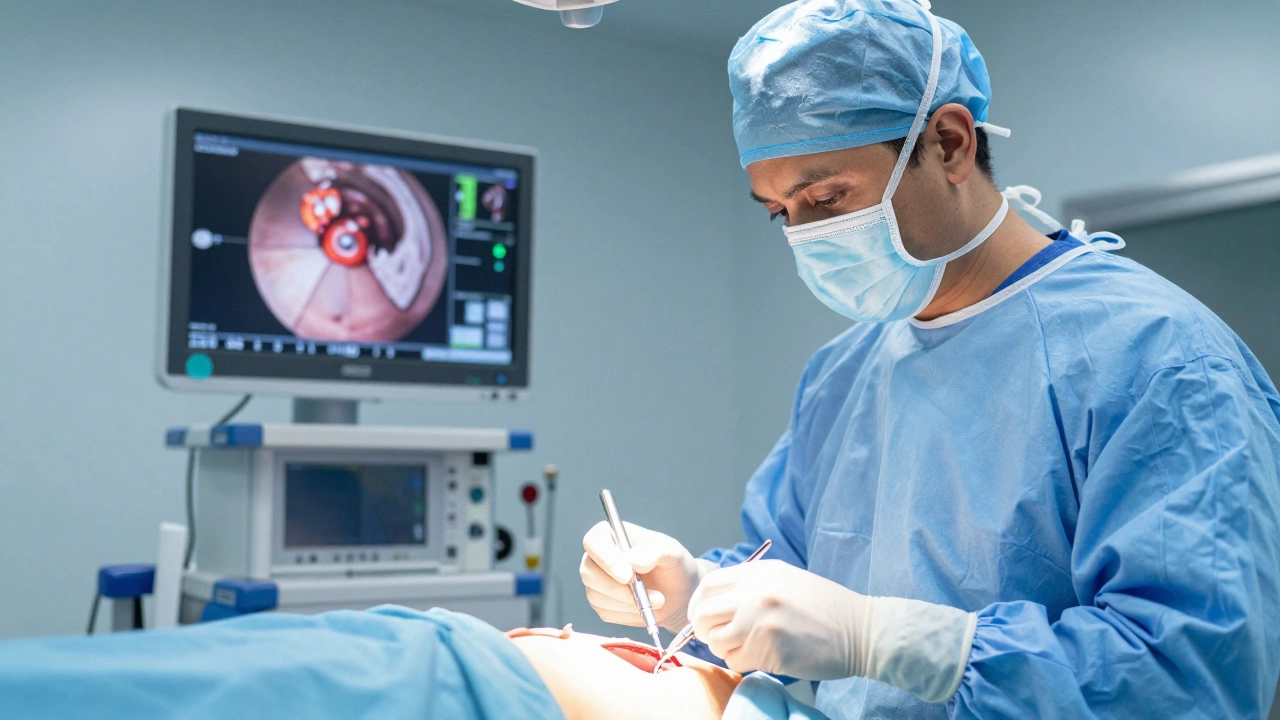
Surgery remains the oldest and often the most direct method for treating solid tumors. The goal is straightforward: remove the cancerous tissue before it spreads further. This approach is particularly effective when the cancer is localized, meaning it hasn't metastasized to other parts of the body.
Surgical Oncology is the branch of medicine focused on the surgical prevention, diagnosis, and treatment of cancer. It ranges from minor procedures to complex operations involving major organs.Modern surgery isn't just about cutting. Techniques have evolved significantly:
- Lumpectomy vs. Mastectomy: In breast cancer, doctors might remove only the tumor (lumpectomy) rather than the entire breast (mastectomy), preserving quality of life while maintaining survival rates.
- Laparoscopic Surgery: Using small incisions and cameras, surgeons can operate with less trauma to the body, leading to faster recovery times.
- Cryosurgery: Freezing cancer cells with liquid nitrogen is an option for certain skin cancers and early-stage prostate cancer.
The decision to operate depends on the tumor's size, location, and type. Sometimes surgery is curative on its own. Other times, it serves as a first step to reduce the tumor burden before starting chemotherapy or radiation.
Chemotherapy: Systemic Attack on Fast-Growing Cells
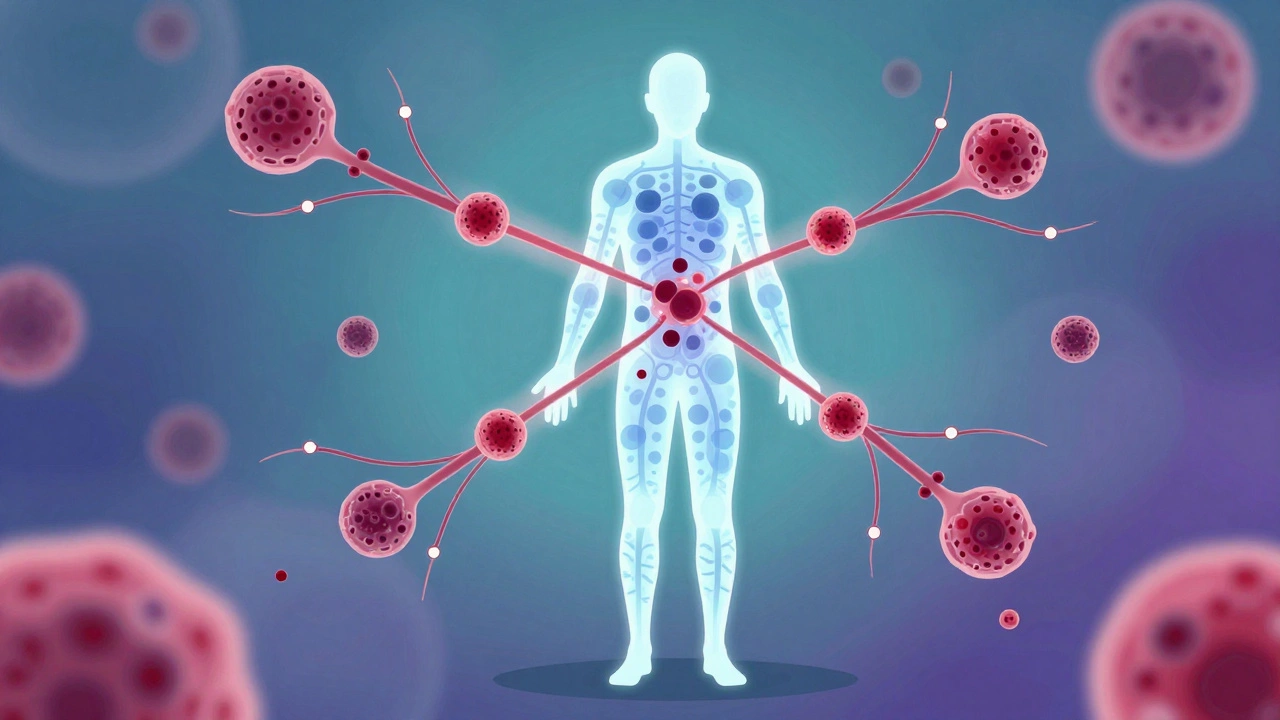
If surgery addresses local problems, chemotherapy tackles systemic ones. It uses powerful drugs to kill cancer cells throughout the entire body. This makes it crucial for cancers that have spread or have a high risk of spreading.
Chemotherapy is a type of cancer treatment that uses one or more anti-cancer drugs as part of a standardized chemotherapy regimen. These drugs interfere with cell division, targeting rapidly dividing cells.The challenge with traditional chemo is that it doesn't distinguish perfectly between cancer cells and healthy fast-growing cells. This leads to side effects like hair loss, nausea, and fatigue because hair follicles and gut lining cells also divide quickly.
However, chemo protocols are highly refined. Doctors use specific drug combinations based on the cancer type. For example, the "CHOP" regimen (Cyclophosphamide, Hydroxydaunorubicin, Oncovin, Prednisone) is a standard for lymphomas. Newer supportive medications have also drastically reduced the severity of side effects compared to twenty years ago. Anti-nausea drugs and growth factors to boost white blood cell counts make modern chemo much more tolerable.
Radiation Therapy: Targeted Energy Beams
Radiation therapy uses high-energy particles or waves, such as X-rays, gamma rays, electrons, or protons, to destroy or damage cancer cells. Like surgery, it is a local treatment, meaning it affects only the specific area being treated.
Radiation Oncology is the medical specialty concerned with the treatment of cancer using ionizing radiation. It works by damaging the DNA inside cancer cells, preventing them from growing and dividing.There are two main types:
- External Beam Radiation: You lie on a table while a machine moves around you, directing beams at the tumor. Modern techniques like IMRT (Intensity-Modulated Radiation Therapy) allow doctors to shape the dose precisely to the tumor's contours, sparing nearby healthy tissue.
- Internal Radiation (Brachytherapy): A radioactive source is placed inside your body, close to the tumor. This is common in cervical, prostate, and some breast cancers.
Proton therapy is an advanced form of external beam radiation that uses protons instead of X-rays. Protons release most of their energy at a specific depth, stopping after passing through the tumor. This minimizes exposure to surrounding healthy tissues, making it valuable for pediatric cancers or tumors near critical structures like the spinal cord.
Immunotherapy: Empowering Your Own Immune System
This is arguably the most exciting development in recent oncology history. Immunotherapy doesn't attack the cancer directly. Instead, it removes the brakes on your immune system, allowing your natural defenses to recognize and destroy cancer cells.
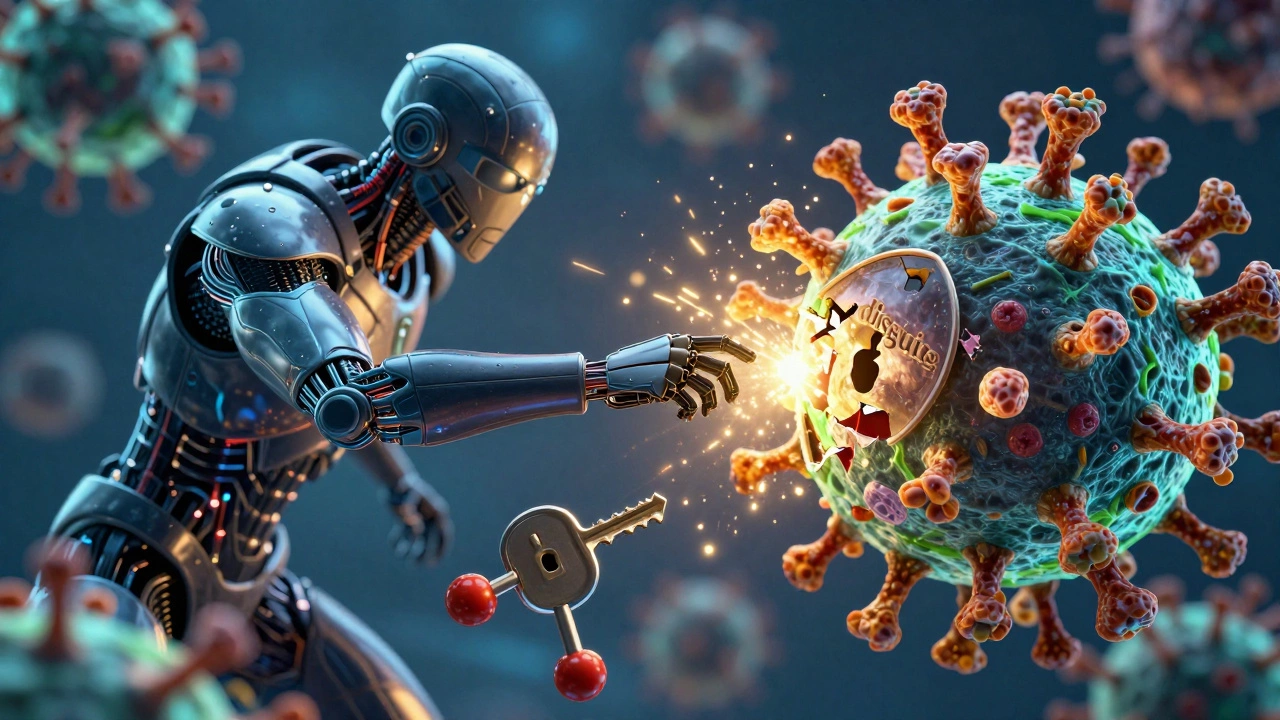
Immunotherapy is a form of cancer treatment that enhances the body's natural defenses against cancer. It includes checkpoint inhibitors, CAR T-cell therapy, and cancer vaccines.Cancer cells are clever; they often disguise themselves as normal cells to avoid detection. Checkpoint inhibitors, such as pembrolizumab (Keytruda) and nivolumab (Opdivo), block the proteins that cancer uses to hide. Once the disguise is stripped away, T-cells (your immune soldiers) can attack.
Another breakthrough is CAR T-cell therapy. Doctors take your T-cells, genetically engineer them in a lab to target specific cancer markers, and infuse them back into your body. This has shown remarkable success in certain leukemias and lymphomas that were previously untreatable. While side effects can be intense (like cytokine release syndrome), the potential for long-term remission without daily medication is revolutionary.
Targeted Therapy: Precision Medicine
Unlike chemotherapy, which kills all fast-growing cells, targeted therapy focuses on specific molecules involved in cancer growth and survival. It requires genetic testing of the tumor to identify these targets.
Targeted Therapy is a type of cancer treatment that uses drugs or other substances to pinpoint specific cancer abnormalities. It interferes with specific molecules needed for tumor growth.For example, HER2-positive breast cancer produces too much of the HER2 protein, which drives rapid growth. Drugs like trastuzumab (Herceptin) bind to this protein, blocking the signal. Similarly, EGFR inhibitors are used in lung cancers with specific mutations.
This approach is highly personalized. If your tumor doesn't have the specific mutation, the drug won't work. This is why biomarker testing is now standard practice. Targeted therapies often have fewer side effects than chemo because they spare healthy cells that lack the target molecule. However, cancer can evolve resistance, so patients may need to switch targets over time.
| Treatment Type | Mechanism | Scope | Common Side Effects |
|---|---|---|---|
| Surgery | Physical removal | Local | Pain, infection risk, scarring |
| Chemotherapy | Kills fast-dividing cells | Systemic | Hair loss, nausea, fatigue |
| Radiation | DNA damage via energy | Local | Skin irritation, fatigue |
| Immunotherapy | Boosts immune response | Systemic | Immune-related inflammation |
| Targeted Therapy | Blocks specific pathways | Systemic | Skin rash, liver issues |
Combination Therapies: The Standard of Care
Rarely does a patient receive just one of these treatments. Oncology is increasingly about combination strategies. Neoadjuvant therapy involves giving chemo or radiation *before* surgery to shrink a tumor, making it easier to remove. Adjuvant therapy happens *after* surgery to kill any microscopic cells left behind.
For instance, a patient with stage III colon cancer might undergo surgery to remove the tumor, followed by six months of chemotherapy to prevent recurrence. Meanwhile, a melanoma patient might receive surgery followed by immunotherapy to maintain long-term control. The key is tailoring the sequence to maximize efficacy while minimizing toxicity.
Which cancer treatment has the highest success rate?
Success rates vary wildly depending on the cancer type and stage. Early-stage cancers treated with surgery often have cure rates exceeding 90%. For advanced stages, immunotherapy and targeted therapies have dramatically improved survival in previously fatal cases like melanoma and certain lung cancers. There is no single "best" treatment; the best one is the one matched to your specific biology.
Is chemotherapy still necessary if I have immunotherapy options?
Yes, in many cases. Immunotherapy doesn't work for everyone or every cancer type. Chemotherapy remains a cornerstone for blood cancers, testicular cancer, and many others where it is highly curative. Often, doctors combine both to achieve synergistic effects, using chemo to weaken the tumor and immunotherapy to mop up remaining cells.
How do I know if my cancer is eligible for targeted therapy?
You need molecular profiling or genomic testing of your tumor tissue. This test looks for specific mutations, gene fusions, or protein overexpressions. Ask your oncologist about Next-Generation Sequencing (NGS) panels, which can screen for dozens of actionable targets simultaneously.
What are the long-term side effects of radiation therapy?
Long-term effects depend on the area treated. They can include fibrosis (scarring) of tissues, changes in organ function, or secondary cancers years later. Modern precision techniques like proton therapy aim to minimize these risks by reducing dose to healthy tissues.
Can lifestyle changes replace these medical treatments?
No. While diet, exercise, and stress management support overall health and may improve treatment tolerance, they cannot cure established cancer. Relying solely on alternative therapies delays proven medical interventions, which can reduce survival chances. Always integrate complementary approaches with mainstream oncology care.