What Do Cancer Patients Need Most? A Practical Guide to Support
 Oct, 13 2026
Cancer Support Needs Assessment
Instead of asking "Let me know if you need anything," use this tool to generate specific offers of help based on the patient's current situation. Specificity reduces the burden on the patient.
1. Assess Their Current State
Recommended Actions
💡 Pro Tip: The Power of Specificity
Research shows that open-ended offers like "call me if you need help" often go unused because patients feel guilty imposing. Instead, offer a binary choice: "I'm going to the store, do you want milk or eggs?" or "Can I drive you to your appointment on Tuesday morning or Wednesday afternoon?"
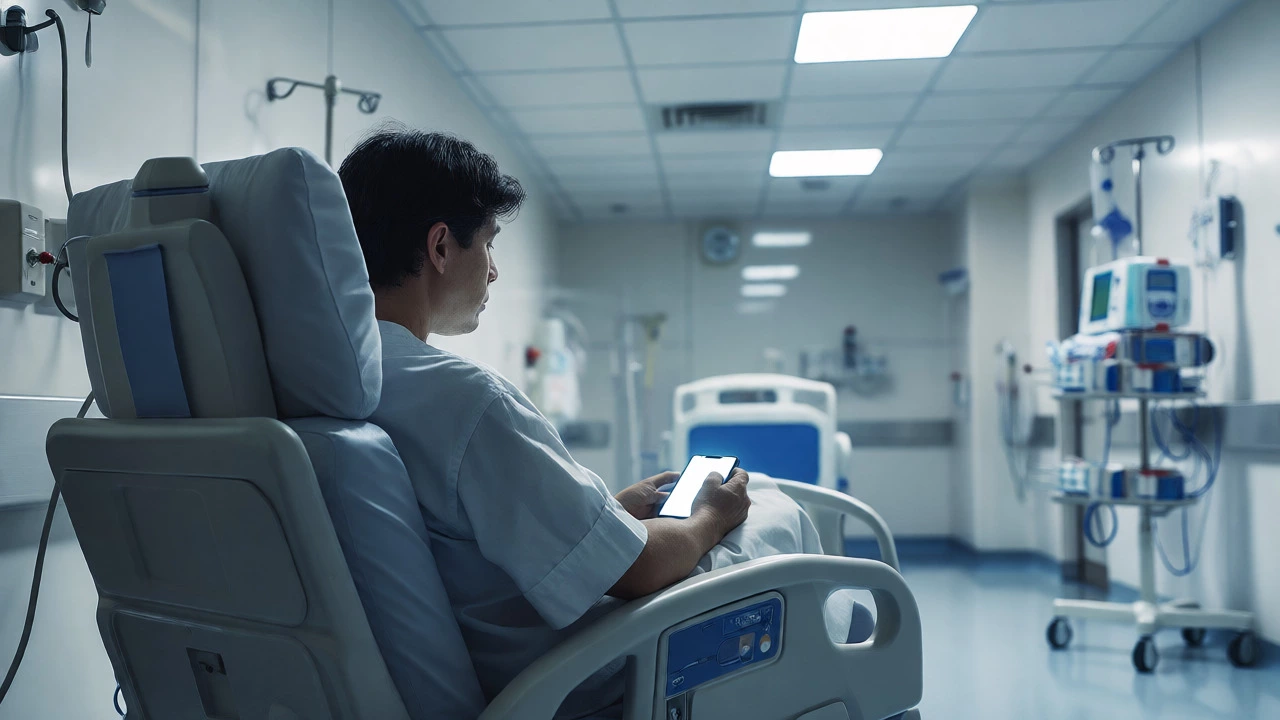
Imagine you are sitting in a sterile hospital chair, waiting for the next round of chemotherapy. The air smells like antiseptic and stale coffee. Your phone buzzes with another "How are you doing?" text message. You type back "Fine," but the truth is far more complicated. You are exhausted, your hair is falling out, and you have no idea how you will pay for the parking meter outside. This scenario plays out thousands of times every day across the United Kingdom.
When we ask what cancer patients need most, the answer isn't always a new drug or a miracle cure. Often, it's something much simpler: someone to drive them to their appointment, a meal that doesn't require heating up, or just a friend who sits with them in silence without trying to fix everything. Understanding these needs changes how we support our loved ones. It shifts the focus from medical jargon to human reality.
The Emotional Burden Is Just as Heavy as the Physical One
We tend to treat cancer as a purely physical battle. We talk about tumors shrinking and blood counts rising. But the psychological toll is massive. According to research from Macmillan Cancer Support, nearly half of people diagnosed with cancer experience anxiety or depression at some point during their journey. This isn't weakness; it's a normal reaction to an abnormal situation.
Patients often feel isolated even when surrounded by people. Friends stop calling after the first few weeks because they don't know what to say. They fear saying the wrong thing, so they say nothing. What patients actually crave is validation. They need someone to acknowledge that this sucks. They need permission to be angry, scared, or sad without being told to "stay positive." Toxic positivity can feel like a slap in the face when you are dealing with severe nausea or pain.
Professional mental health support is crucial here. Many NHS trusts now offer integrated psychological services within oncology departments. These aren't just chat sessions; they involve cognitive behavioral therapy techniques tailored to chronic illness. If your local hospital doesn't offer this, look for charities like Maggie's Centres. They provide free counseling and peer support groups where patients can talk to others who truly get it.
Practical Help Beats Platitudes Every Time
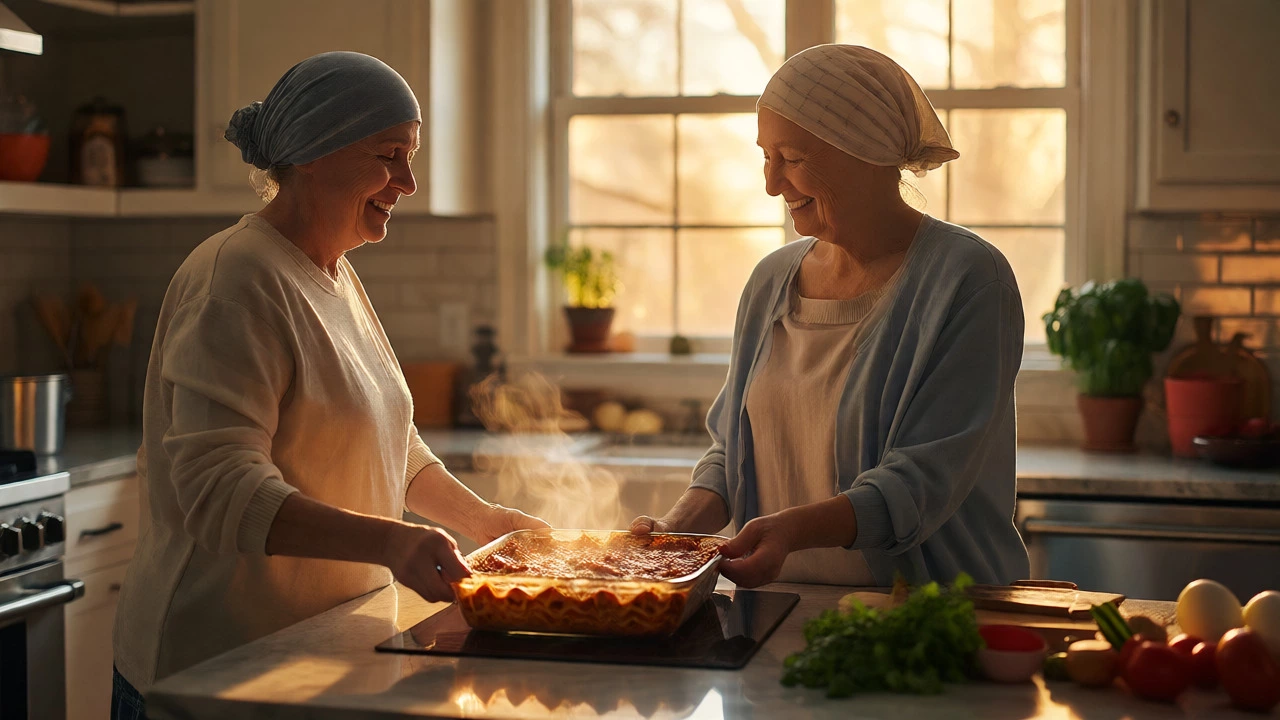
You've probably heard phrases like "Let me know if you need anything." While well-intentioned, this puts the burden on the patient to identify a need and then ask for it. That takes energy they simply don't have. Instead of offering open-ended help, give specific options. Don't ask, "Can I bring food?" Ask, "I'm making lasagna on Tuesday; would you prefer I drop it off at 5 PM or 7 PM?"
Logistics are a major stressor. Cancer treatment disrupts daily routines completely. Appointments are frequent and often last all day. Who walks the dog? Who picks up the kids from school? Who does the laundry? For many patients, especially those living alone or with young families, these small tasks become insurmountable mountains.
Consider setting up a rotating schedule for household chores. Use apps like MealTrain or create a simple spreadsheet where neighbors sign up for specific days. This removes the awkwardness of asking. It turns support into a system rather than a favor. Also, think about transportation. Not everyone has access to a car, and taxi costs add up quickly. Offering to drive someone to their chemo session is one of the most valuable gifts you can give.
Nutrition During Treatment: More Than Just Eating
Eating becomes difficult when your taste buds change. Metal tastes might appear suddenly, or foods you loved might make you nauseous. Weight loss is common, not just due to appetite suppression but also because the body uses more energy fighting the disease and processing treatments. Malnutrition slows down healing and reduces tolerance to chemotherapy.
Patients need dietary guidance that is flexible and realistic. Strict diets often fail because they are too rigid. Instead, focus on calorie-dense, easy-to-eat foods. Smoothies with protein powder, nut butters, and full-fat yogurt can be lifesavers when chewing feels like work. Hydration is equally critical. Dehydration worsens side effects like fatigue and kidney strain.
Here is a quick reference for common nutritional challenges:
| Symptom | Cause | Practical Solution |
|---|---|---|
| Metallic Taste | Chemotherapy drugs (e.g., Cisplatin) | Use plastic utensils; marinate meats in fruit juices |
| Nausea | Gastric irritation | Eat small, frequent meals; ginger tea; avoid strong smells |
| Mouth Sores | Mucositis from radiation/chemo | Soft, cool foods; avoid acidic/spicy items; use straw |
| Fatigue | Anemia and metabolic demand | Iron-rich foods; complex carbs; hydration |
Remember that nutrition goals shift during treatment. Sometimes, maintaining weight is more important than eating "clean." A slice of pizza might be better than a sad salad if it means getting calories into the body. Listen to the patient, not the internet diet gurus.
Financial Stress Is a Silent Side Effect
People often forget the economic impact of cancer. In the UK, while healthcare is largely free at the point of use via the NHS, indirect costs pile up fast. Parking fees at hospitals can cost £10-£20 per visit. Travel expenses for specialist appointments in cities like London or Birmingham add up. Then there is the potential loss of income if the patient cannot work, or if a partner has to take unpaid leave to provide care.
Many patients qualify for benefits they haven't claimed. Personal Independence Payment (PIP) is available for adults with long-term health conditions or disabilities. Attendance Allowance supports those over state pension age. Applying for these can take months, so starting early is key. Charities like Macmillan offer financial guides and sometimes grants for specific costs like wigs or heating bills.
Employers also play a role. Under the Equality Act 2010, cancer is considered a disability from the moment of diagnosis. This means employers must make reasonable adjustments, such as allowing flexible hours or remote work. Knowing your rights empowers patients to negotiate terms that keep them in the workforce longer, which helps both financially and mentally.

The Importance of Information Literacy
Google can be a dangerous place for a newly diagnosed patient. Searching symptoms late at night often leads to worst-case scenarios. Patients need trusted sources of information. The NHS website, Cancer Research UK, and Macmillan are gold standards in the UK. They provide evidence-based data without sensationalism.
However, information overload is real. Patients are bombarded with leaflets, advice from relatives, and online forums. They need help filtering this noise. A good advocate-often a family member or close friend-can help organize questions for doctors before appointments. Writing things down helps retain information, as shock and stress impair memory.
Encourage patients to ask their oncologists specific questions: "What are the goals of this treatment?" "What side effects should I watch for?" "Who do I call if my temperature spikes at home?" Having clear answers reduces uncertainty, which is a major source of anxiety.
Beyond the Clinic: Community and Connection
Hospitals are clinical spaces. They are efficient but cold. Patients need warmth. This comes from community connection. Local support groups, whether in-person or online, provide a sense of belonging. Sharing stories with others who have walked the same path validates feelings and offers practical tips that doctors might miss.
For caregivers, support is equally vital. Caregiver burnout is real. Partners and children often neglect their own health while focusing on the patient. Respite care, where someone else steps in for a few hours or days, allows caregivers to recharge. Without this break, the quality of care provided to the patient suffers.
Finally, remember that cancer affects identity. Patients may feel less like themselves. Hobbies, careers, and social roles change. Helping them maintain a sense of self is crucial. Maybe it's continuing to read mystery novels, watching football matches, or gardening. Keeping connections to pre-diagnosis life helps preserve dignity and hope.
How can I best communicate with a cancer patient?
Be honest and listen more than you speak. Avoid clichés like "everything happens for a reason." Instead, ask open-ended questions like "How are you feeling today?" or "What would be helpful right now?" Validate their emotions without trying to fix them immediately.
What are the most common financial worries for cancer patients in the UK?
The biggest concerns are usually travel and parking costs, loss of income, and heating bills due to increased time spent at home. Claiming benefits like Personal Independence Payment (PIP) and using charitable grants from organizations like Macmillan can alleviate some of this pressure.
Is it okay for cancer patients to eat junk food?
Yes, especially during active treatment. If a chocolate bar or fries keeps calories in the body when healthy food won't stay down, it is acceptable. The priority is preventing weight loss and malnutrition. Dietary restrictions can return to normal once treatment ends and appetite recovers.
How does cancer affect employment rights in the UK?
Under the Equality Act 2010, cancer is classified as a disability from diagnosis. Employers must make "reasonable adjustments," such as flexible working hours or reduced duties. Patients should inform HR early to discuss protections against unfair dismissal and to arrange necessary workplace accommodations.
What is caregiver burnout and how can it be prevented?
Caregiver burnout is a state of physical, emotional, and mental exhaustion caused by prolonged caregiving. It can be prevented by accepting help, taking regular breaks (respite care), maintaining personal hobbies, and seeking support groups for caregivers specifically. Ignoring your own health hurts both you and the patient.