Diabetes: What You Need to Know About Management, Medications, and Life Expectancy
When you hear diabetes, a chronic condition where the body can’t properly regulate blood sugar. Also known as hyperglycemia, it affects over 100 million people in India alone—and many don’t even know they have it. It’s not just about sugar. It’s about how your body turns food into energy, and what happens when that system breaks down. Left unchecked, high blood sugar damages nerves, kidneys, eyes, and your heart. But here’s the thing: diabetes doesn’t have to mean a shortened life. How you manage it makes all the difference.
Most people with type 2 diabetes start with metformin, a first-line drug that lowers blood sugar by reducing liver glucose production. Also known as Glucophage, it’s cheap, widely used, and has been around for decades. But it’s not perfect. Many people quit because of stomach cramps, nausea, or vitamin B12 drops. Others switch because newer drugs do more than just lower sugar—they protect the heart, help with weight loss, and even reduce the risk of kidney failure. That’s where SGLT2 inhibitors and GLP-1 agonists, two classes of newer diabetes medications that work differently than metformin. come in. These aren’t just alternatives—they’re game changers for people who need more than sugar control.
And then there’s the big question: How long will I live? Your life expectancy, how long you’re likely to live after a diabetes diagnosis. isn’t set in stone. Studies show people who eat well, move daily, and take their meds can live just as long as those without diabetes. It’s not magic. It’s consistency. The liver, kidneys, and pancreas all feel the strain—but they also respond when you give them a break. That’s why so many doctors now focus less on pills alone and more on habits that support your whole body.
What you’ll find below isn’t a list of generic tips. These are real, practical breakdowns of what’s happening with your body, your meds, and your future. Why are doctors changing how they prescribe metformin? What are the hidden risks nobody talks about? Can you out-eat diabetes? You’ll get straight answers—no fluff, no fear-mongering, just what works based on what people are actually experiencing.

Medications to Avoid if You Have Diabetes: A Safety Guide
Learn which common medications can raise blood sugar or hide symptoms of low sugar in people with diabetes. A practical guide for patient safety.

What Are 5 Signs Your Blood Sugar Is Too High?
Learn the five clear signs your blood sugar is too high-excessive thirst, constant fatigue, blurry vision, slow-healing wounds, and unexplained weight loss. Early recognition can prevent serious complications.

Which Type of Diabetes Is Hardest to Control?
Type 1 diabetes, especially brittle diabetes, is the hardest to control due to zero insulin production and wild blood sugar swings. Type 2 is harder to reverse but less unpredictable. Both need more than medication-they need support.

Why Doctors Are Rethinking Metformin Prescriptions in 2025
Explore why doctors are rethinking metformin prescriptions, covering guideline updates, safety concerns, newer alternatives, and practical steps for patients.

Is There a Better Drug for Type 2 Diabetes Than Metformin?
Metformin has been a go-to drug for type 2 diabetes for decades, but newer medications offer surprising benefits. This article looks at how alternatives measure up, from weight loss to heart protection. You'll find out why some patients switch from metformin and what real-world results look like. We'll also hit on costs, side effects, and a few smart questions to ask your doctor. If you're wondering what your options are, this guide clears up the hype and gets straight to what works.

Why Is Metformin So Bad to Take? The Real Story Behind This Diabetes Drug
Metformin has been a go-to medication for type 2 diabetes for decades, but some people struggle with nasty side effects and hidden downsides. This article dives into why so many patients complain about metformin, from gut problems to weird vitamin dips. Get straight answers on what's fact, what's rumor, and what you can actually do if metformin is making your life harder than your diabetes. Tips on managing the side effects and honest facts from real experiences—no sugar-coating.

What's My Life Expectancy with Type 2 Diabetes?
Living with type 2 diabetes can make you wonder about your life expectancy, but it's more than just a number game. While diabetes can impact your lifespan, lifestyle choices and medication can play a major role in managing health outcomes. Healthy eating, regular exercise, and adhering to prescribed medications can significantly improve quality of life. Understanding how diabetes affects the body and making informed choices can empower individuals to lead fulfilling lives.
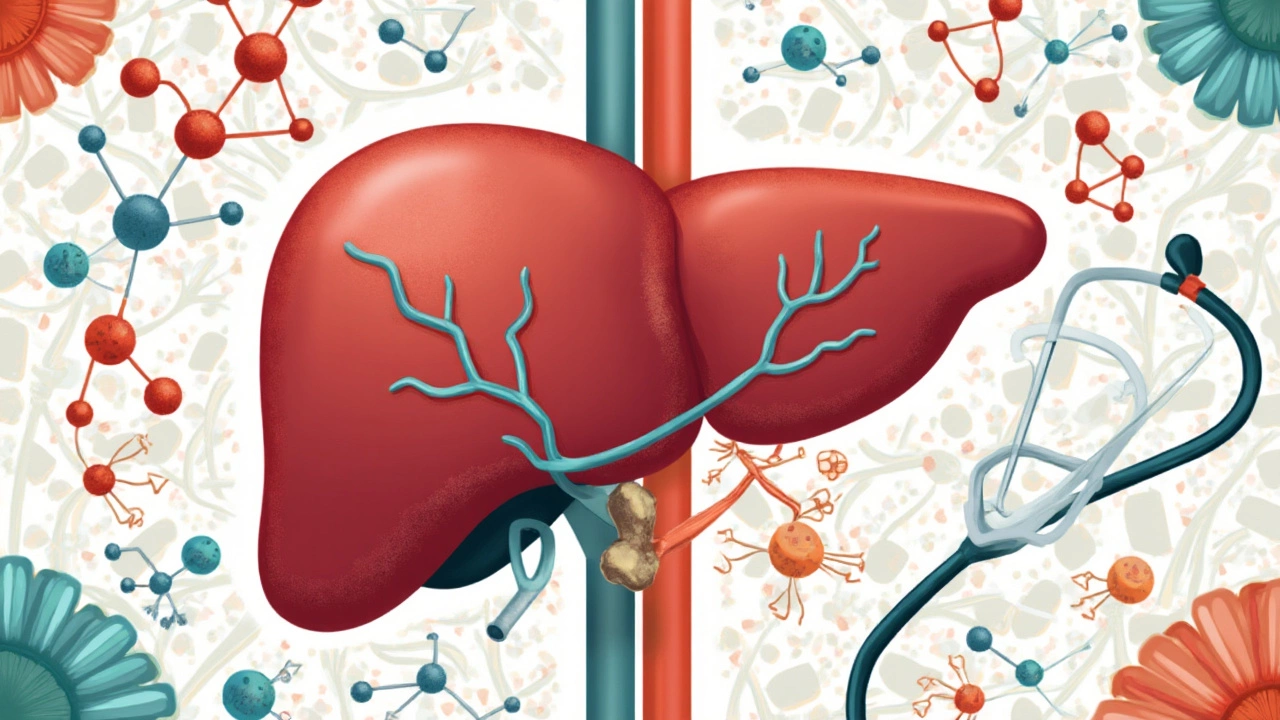
Metformin's Impact on the Liver: What You Need to Know
Metformin, a widely used medication for managing type 2 diabetes, primarily affects the liver. It works by decreasing glucose production in the liver, making it a crucial element in blood sugar control. While generally safe, certain conditions might lead to metformin-associated liver issues. Understanding its liver-specific effects is essential for patients and healthcare providers alike. Staying informed about potential side effects could make a big difference.

Choosing the Best First-Line Drug for Diabetes Management
Discover comprehensive information about the first-line medication recommended for individuals newly diagnosed with type 2 diabetes. Learn how Metformin plays a pivotal role in controlling blood glucose levels and managing diabetes effectively. Explore essential factors, including lifestyle changes, that complement pharmaceutical therapy. Dive into a blend of science and practical tips to enhance your understanding and control of diabetes.