Which Type of Diabetes Is Hardest to Control?
 Jan, 2 2026
Diabetes Management Estimator
Insulin Dose Calculator
Estimate your insulin dose based on current blood sugar and carb intake. Note: This is for educational purposes only and not medical advice.
How much 1 unit lowers your blood sugar (e.g., 40)
Units per 10g carbs (e.g., 1:10)
Estimated Results
Enter values to see your estimated insulin dose...
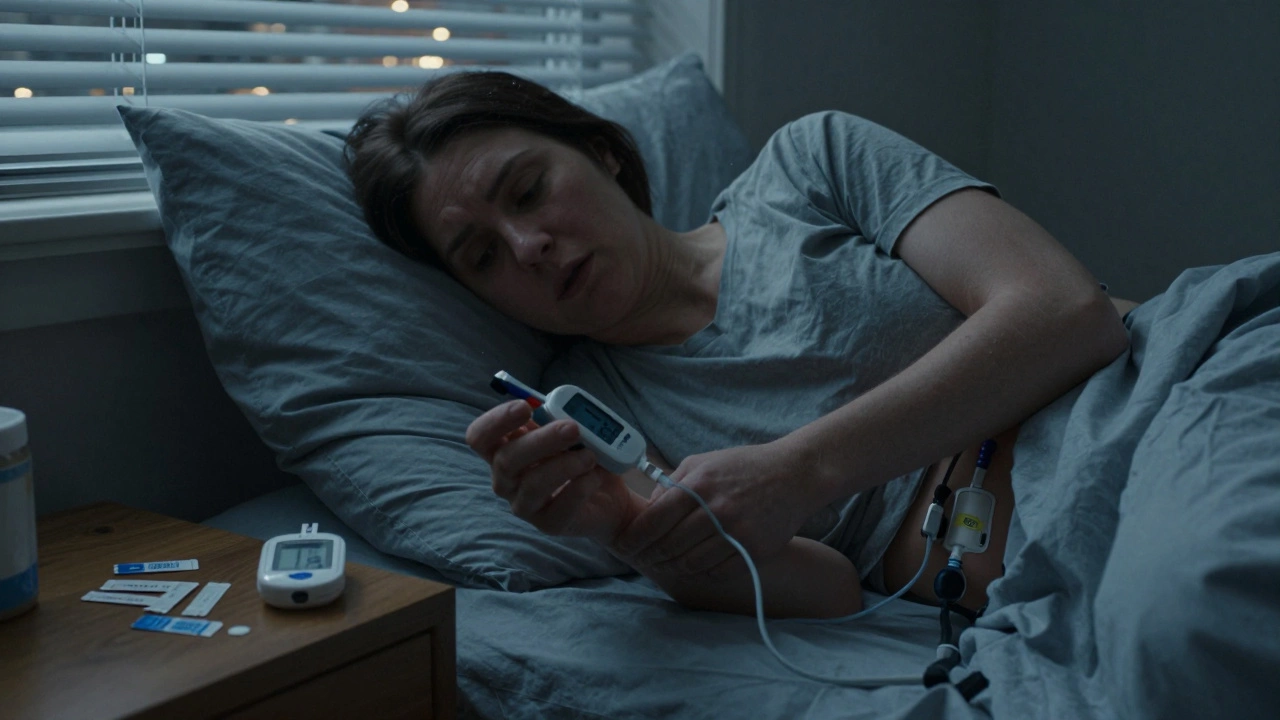
When people ask which diabetes is hardest to control, they’re usually thinking about the daily grind of blood sugar swings, endless finger pricks, and the fear of highs and lows that never seem to settle. The answer isn’t simple-because it’s not just about the type of diabetes you have. It’s about how your body responds, what tools you have, and how much your life gets in the way. But if you’re looking for the one that fights back the hardest, type 1 diabetes with severe insulin resistance or brittle diabetes is the toughest to manage.
Why Type 1 Diabetes Is the Hardest to Control
Type 1 diabetes means your pancreas stops making insulin entirely. No backup. No second chance. You have to replace it-every single hour, every single day. That’s not a pill you swallow. It’s injections or an insulin pump that must be calibrated to your food, activity, stress, sleep, and even the weather. One missed bolus, one miscalculated carb count, one unexpected spike in cortisol from a bad night’s sleep, and your blood sugar can shoot up to 300 mg/dL-or crash to 50 mg/dL while you’re driving.
Unlike type 2, where the body still makes some insulin but can’t use it well, type 1 has zero margin for error. Even with the best technology-continuous glucose monitors, smart insulin pens, automated insulin delivery systems-your body doesn’t cooperate. You’re constantly playing catch-up. Studies from the UK’s National Diabetes Audit show that nearly 40% of people with type 1 diabetes spend more than three hours a day managing their condition. That’s not just inconvenient. It’s exhausting.
Brittle Diabetes: The Extreme Case
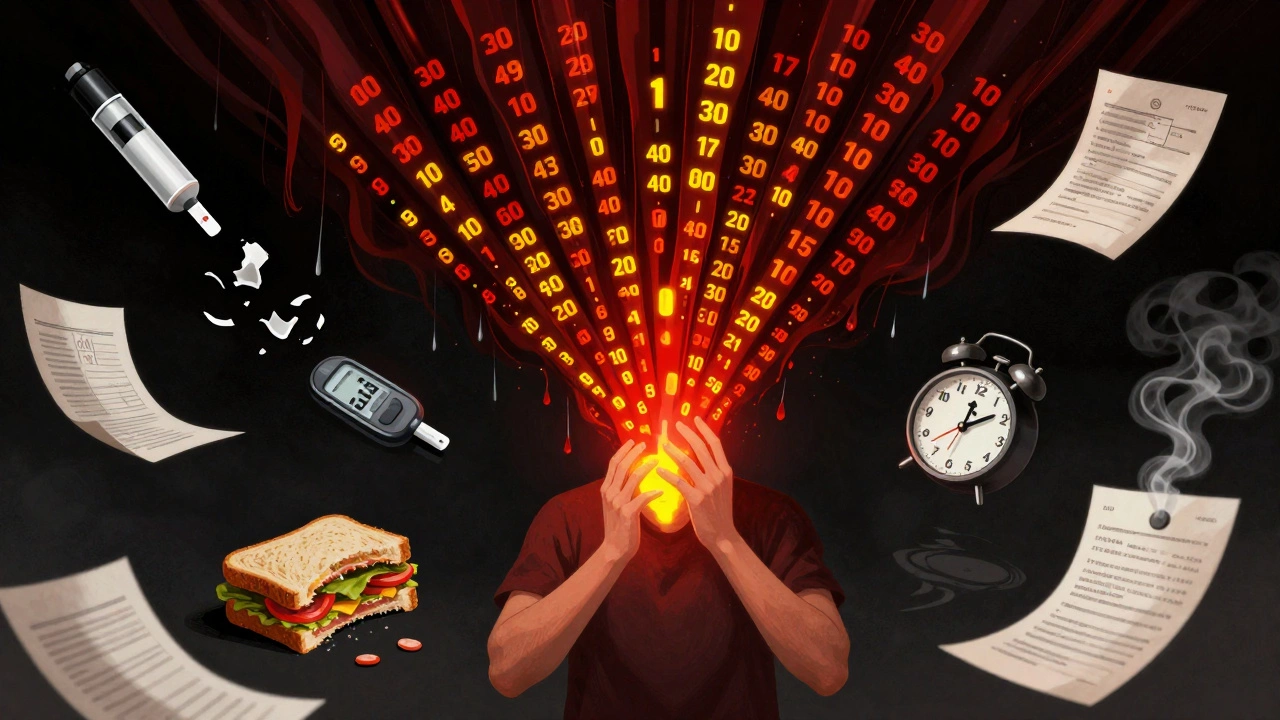
Some people with type 1 diabetes have what’s called brittle diabetes. It’s rare-only about 1 in 1,000 people with type 1-but it’s the nightmare version of the disease. Blood sugar swings wildly between hyperglycemia and hypoglycemia without clear triggers. One day, you eat a sandwich and your sugar jumps to 400. The next, you take the same dose of insulin and drop to 30 while sitting still. There’s no pattern. No rhyme. No logic.
Doctors used to think brittle diabetes was just poor self-care. But research from the University of Birmingham and the American Diabetes Association now shows it’s often linked to autoimmune issues beyond just the pancreas-like delayed gastric emptying (gastroparesis), adrenal dysfunction, or even undiagnosed eating disorders. Some people with brittle diabetes end up in the hospital multiple times a year. Their lives revolve around glucose readings, not work, family, or hobbies.
Type 2 Diabetes Isn’t Easy Either-But for Different Reasons
People assume type 2 is easier because you still make insulin. But that’s misleading. Type 2 diabetes is often diagnosed years after it started. By then, your body’s insulin resistance is deep. Your pancreas is worn out from overworking. Medications like metformin, GLP-1 agonists, or SGLT2 inhibitors help-but they don’t fix the root problem. And if you’re overweight, sedentary, or stressed, your blood sugar stays high no matter what pills you take.
What makes type 2 hard to control isn’t the lack of insulin-it’s the lack of change. People are told to eat less sugar, lose weight, and move more. But when you’re working two jobs, raising kids, or dealing with depression, those changes feel impossible. A 2024 study in The Lancet found that over 60% of people with type 2 diabetes in the UK struggle to stick to lifestyle changes long-term. The disease doesn’t fight back with wild swings-it fights back with slow, silent damage: nerve pain, kidney strain, vision loss.
Insulin Resistance: The Hidden Boss of Both Types
Insulin resistance isn’t just a type 2 problem. Many people with type 1 also develop it-especially if they’re overweight or have polycystic ovary syndrome. When your cells stop listening to insulin, you need way more of it to get the same result. That means bigger doses, more weight gain, and more hypoglycemia when the insulin finally kicks in.
One patient I worked with in Birmingham had type 1 for 12 years. She was on 80 units of insulin a day and still had A1Cs over 9%. Turns out, she had severe insulin resistance from years of steroid use for an autoimmune condition. Once we addressed that with a low-dose GLP-1 medication, her insulin needs dropped to 35 units. Her A1C fell to 6.8%. That’s the kind of breakthrough that doesn’t show up in textbooks-it shows up in real lives.
Technology Helps, But It Doesn’t Fix Everything
Yes, closed-loop insulin pumps (like the Tandem t:slim X2 or Medtronic 780G) can auto-adjust insulin based on your glucose levels. Yes, CGMs like Dexcom G7 give you real-time data. But they’re not magic. They still need input. You still have to bolus for meals. You still have to calibrate. You still have to fix errors when the sensor fails or the tubing kinks.
And not everyone has access. In the UK’s NHS, getting a pump or CGM can take months-or be denied if your A1C isn’t “high enough.” That’s cruel. People with brittle diabetes often get stuck in a loop: they can’t prove they need tech because their numbers are too wild, but they can’t stabilize without tech.

What Makes Control Impossible?
Here’s the truth: control fails when you’re missing one of these things:
- Consistent access to insulin-no one should ration their life-saving medication
- Education-knowing how to adjust for illness, exercise, or stress
- Mental health support-diabetes burnout is real, and it kills compliance
- Stable living conditions-sleep, food security, and stress levels matter more than you think
One woman I met in Solihull had type 1 for 20 years. She worked nights cleaning offices. She didn’t have a fridge at home. Her insulin sometimes spoiled. She couldn’t afford glucose strips more than twice a week. Her A1C was 11.5%. She wasn’t lazy. She was trapped.
So Which Is Hardest to Control?
If you’re asking which diabetes is hardest to control, the answer is: the one you’re living with right now. But if you’re comparing types, type 1 diabetes-especially brittle diabetes-is the most unpredictable, the most demanding, and the least forgiving. It doesn’t care if you’re tired. It doesn’t care if you’re broke. It doesn’t care if you had a bad day.
Type 2 diabetes is harder to reverse. Type 1 is harder to survive without perfect conditions. And both need more than medicine. They need support, access, and compassion.
There’s no easy fix. But understanding the real challenges-beyond the numbers on a screen-might be the first step toward better care.
Is type 1 diabetes harder to manage than type 2?
Yes, type 1 diabetes is generally harder to manage because the body produces zero insulin, requiring constant external replacement. Even with advanced technology, small errors in dosing, timing, or carb counting can lead to dangerous highs or lows. Type 2 diabetes involves insulin resistance, but the body still makes some insulin, and lifestyle changes can sometimes improve control-though many people still need medication long-term.
What is brittle diabetes?
Brittle diabetes is a rare and severe form of type 1 diabetes where blood sugar levels swing wildly between very high and very low without clear causes. It’s not caused by poor discipline-it’s often linked to underlying issues like gastroparesis, hormonal imbalances, or autoimmune conditions. People with brittle diabetes may require frequent hospital visits and struggle to maintain stable glucose levels even with optimal care.
Can type 2 diabetes become as hard to control as type 1?
Yes, especially if insulin resistance becomes severe or the pancreas wears out over time. Some people with long-standing type 2 diabetes eventually need insulin injections and face similar daily management challenges as those with type 1. The difference is that type 2 often develops slowly, so people may not realize how advanced it’s become until it’s too late to reverse.
Why does insulin resistance make diabetes harder to control?
Insulin resistance means your body’s cells don’t respond well to insulin, so you need higher doses to lower blood sugar. This leads to weight gain, which worsens resistance, creating a cycle. It also increases the risk of hypoglycemia when insulin finally works too well. People with insulin resistance often need multiple medications and higher insulin doses, making daily management more complex and risky.
Does technology like insulin pumps make type 1 diabetes easier?
Technology helps a lot-automated insulin delivery systems reduce extreme highs and lows and lower A1C levels on average. But they’re not foolproof. Sensors can fail, insulin can clot in tubing, and users still need to input meal data. They also require training, maintenance, and access, which aren’t guaranteed. For many, they’re a tool-not a cure.
What Comes Next?
If you’re struggling to control your diabetes, you’re not alone-and you’re not failing. The system is broken in places. Access to insulin, education, and mental health support is still unequal. The next step isn’t just better drugs. It’s better support: peer groups, community programs, policy changes that make care affordable. And if you’re a caregiver, a friend, or a family member-listen more than you lecture. The hardest part of diabetes isn’t the science. It’s the loneliness.