What Are 5 Signs Your Blood Sugar Is Too High?
 Feb, 3 2026
When your blood sugar stays too high for too long, your body sends out warning signals-most people just ignore them. You might think it’s just fatigue, or that you’re drinking too much coffee, or maybe you’re just stressed. But those little clues? They’re your body screaming for help. High blood sugar isn’t just a number on a test strip. It’s a chain reaction that can wreck your kidneys, nerves, eyes, and heart if left unchecked. Here are five clear signs your blood sugar is too high-and what to do about them.
1. You’re constantly thirsty and peeing all the time
Ever feel like you’re drinking a gallon of water but still parched? And then you’re in the bathroom every hour? That’s not just a habit. When your blood sugar spikes, your kidneys try to flush out the extra glucose. They pull water from your tissues to dilute it, which makes you urinate more. That loss of fluid triggers intense thirst. It’s a cycle: drink more → pee more → get thirstier. This is one of the earliest and most reliable signs of high blood sugar. If you’re going to the bathroom more than usual-especially at night-and you can’t quench your thirst, don’t brush it off. It’s not normal.
2. You’re exhausted, even after a full night’s sleep
You slept eight hours. You had coffee. You even took a nap. Yet you feel like you’re dragging through mud. That’s because your cells aren’t getting the fuel they need. High blood sugar means glucose is sitting in your bloodstream, not entering your cells. Insulin isn’t doing its job-either because there’s not enough of it, or your body has stopped listening. Without glucose inside your cells, your energy production crashes. You’re not tired because you’re lazy. You’re tired because your body is starving, even though there’s sugar everywhere. This isn’t just ‘being busy.’ It’s a metabolic red flag.
3. Blurry vision that comes and goes
Waking up with fuzzy vision? Reading the screen feels like looking through a foggy window? That’s not just eye strain. High blood sugar changes the shape of the lens in your eye. Fluid shifts in and out of the lens as glucose levels rise and fall, making it swell or shrink slightly. That messes with your focus. The good news? It’s often temporary. Once your blood sugar stabilizes, your vision usually clears up. But if this keeps happening, it’s a sign your body is struggling to manage glucose. Left unchecked, this can lead to permanent damage like diabetic retinopathy. Don’t wait for it to get worse.
4. Cuts or sores that won’t heal
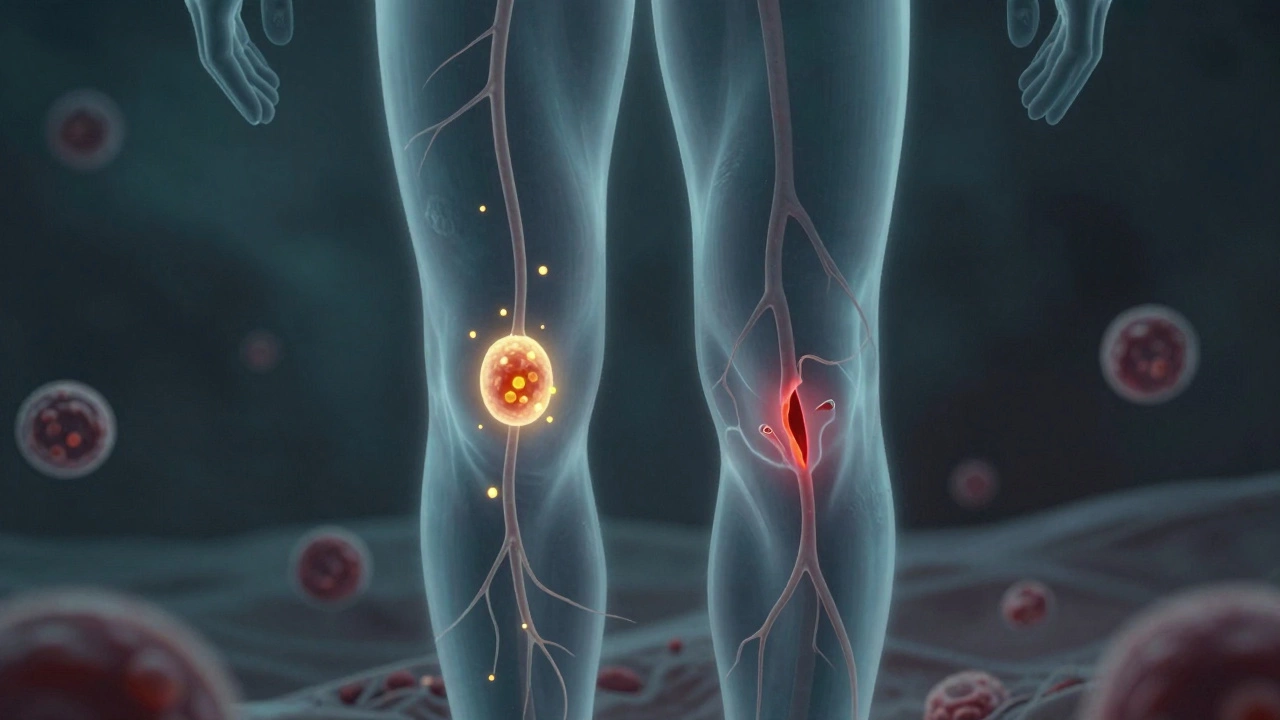
You nicked your finger while chopping vegetables. It’s been two weeks. It’s still red, slow to scab, and doesn’t seem to be getting better. That’s not bad luck. High blood sugar damages your blood vessels and nerves, which slows down circulation and immune response. White blood cells can’t move as efficiently to fight infection. Healing takes longer. Even small cuts, blisters, or fungal infections (like athlete’s foot) become stubborn problems. If you notice slow-healing wounds-especially on your feet-this is a major red flag. It’s one of the first signs of nerve damage and poor circulation, both linked to uncontrolled diabetes.
5. Unexplained weight loss-even if you’re eating normally
You haven’t changed your diet. You’re not trying to lose weight. But the scale keeps dropping. Why? When your body can’t use glucose for energy, it starts breaking down fat and muscle instead. Your body thinks it’s starving, even though you’re eating. That’s why you lose weight without trying. This often happens in type 1 diabetes, but it can also occur in advanced type 2 when insulin resistance is severe. Losing weight without effort sounds good-until you realize it’s your body eating itself. That’s not progress. It’s a crisis.
What to do next
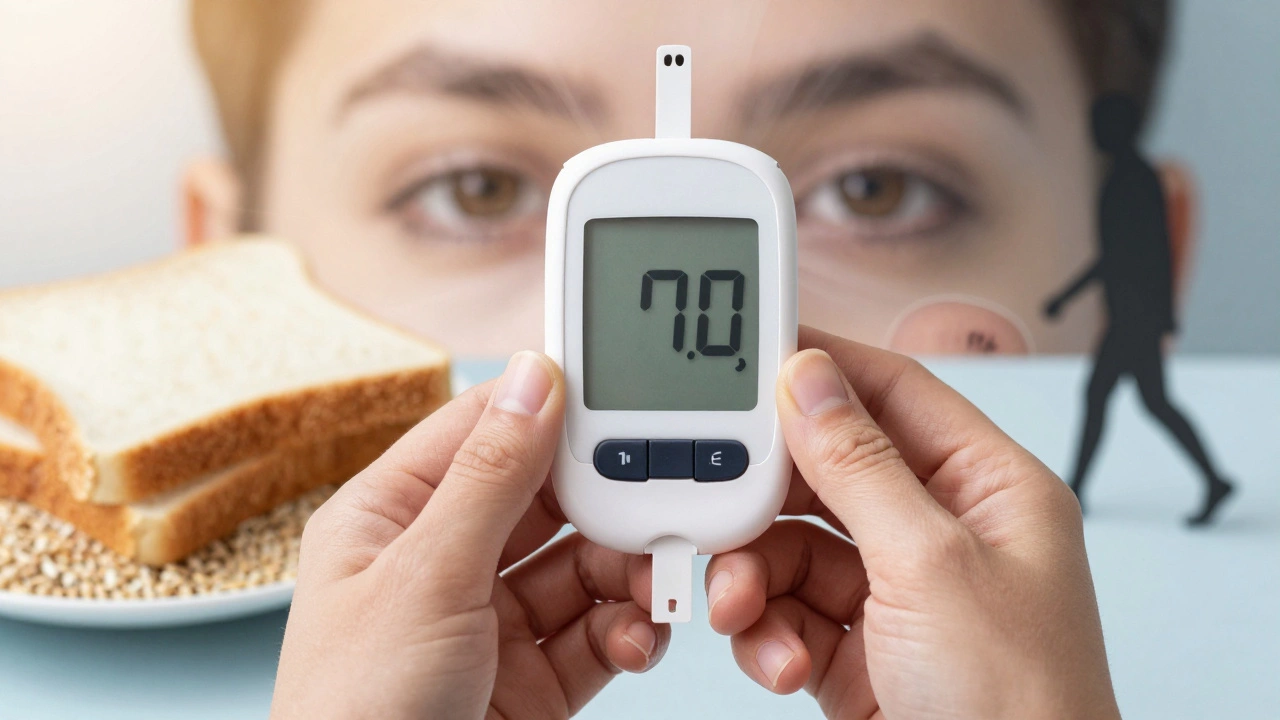
If you’re seeing two or more of these signs, don’t wait. Grab a blood glucose meter if you have one. Test your fasting sugar in the morning. A reading above 7.0 mmol/L (126 mg/dL) on two separate days is a clear indicator of diabetes. Even if you don’t have a meter, call your GP. Ask for an HbA1c test-it shows your average blood sugar over the last three months. No need to panic. But don’t ignore it either. Early action can stop damage before it starts.
Simple changes help: cut back on sugary drinks, swap white bread for whole grains, walk for 20 minutes after meals. These aren’t drastic diets. They’re habits that give your body a chance to reset. Medication might be needed, but lifestyle is the foundation. The goal isn’t to be perfect. It’s to stop the cycle before it breaks you.
When to see a doctor
See a doctor right away if you’re also experiencing nausea, vomiting, stomach pain, or fruity-smelling breath. These could mean diabetic ketoacidosis-a life-threatening condition where your body starts burning fat for fuel and produces toxic acids. It’s rare in type 2, but it can happen. Don’t wait for a crisis. If you’re unsure, get checked. Blood sugar tests are quick, cheap, and often free on the NHS.
What you can track at home
You don’t need fancy gadgets. A basic blood glucose meter costs under £30. Test your fasting sugar (before breakfast) and two hours after meals. Write it down. Look for patterns. Do your numbers spike after pasta? After lunch with dessert? After skipping breakfast? That’s data. That’s power. You can’t fix what you don’t measure.
Common myths
Myth: Only overweight people get high blood sugar. False. Thin people get type 2 diabetes too, especially if they have a family history or carry fat around their middle. Myth: Sugar alone causes diabetes. Not true. It’s a mix of genetics, inactivity, processed foods, and chronic stress. Myth: If you feel fine, your sugar’s fine. Dangerous. Many people have high blood sugar for years without symptoms-until it’s too late.
What happens if you ignore it
Left untreated, high blood sugar doesn’t just stay high. It spreads. It damages blood vessels. It kills nerve endings. It clouds your vision. It weakens your immune system. It raises your risk of heart attack, stroke, kidney failure, and amputations. The damage builds silently. You won’t feel it until it’s severe. That’s why the five signs above matter. They’re early warnings. Catch them now, and you can still turn things around.
Can high blood sugar cause headaches?
Yes. When blood sugar is too high, your body pulls fluid out of tissues-including your brain-to flush out the excess glucose. This can cause dehydration and pressure changes that trigger headaches. It’s not the most common symptom, but it’s frequent enough that people with diabetes often report them, especially when levels are above 10 mmol/L.
Can stress raise your blood sugar?
Absolutely. Stress triggers your body’s fight-or-flight response, releasing hormones like cortisol and adrenaline. These hormones tell your liver to pump out more glucose-even if you don’t need it. For people with insulin resistance, that extra sugar has nowhere to go, so levels climb. This is why people often see spikes during work deadlines, family conflicts, or even sleepless nights.
Is it possible to have high blood sugar without having diabetes?
Yes. A single high reading doesn’t mean you have diabetes. Illness, certain medications (like steroids), extreme stress, or even eating a huge carb-heavy meal can spike blood sugar temporarily. But if you’re consistently seeing readings above 7.0 mmol/L fasting, or above 11.1 mmol/L after meals, that’s a sign your body is struggling to manage glucose long-term. That’s prediabetes or diabetes-and it needs attention.
How quickly can lifestyle changes lower blood sugar?
You can see improvements in as little as 2-3 days. Cutting out sugary drinks and walking after meals can drop your post-meal numbers by 2-3 mmol/L. Within a week, many people notice less thirst, more energy, and clearer vision. HbA1c takes longer-about 3 months to reflect changes-but daily habits add up fast. Consistency matters more than perfection.
Can drinking water lower blood sugar?
Drinking water doesn’t directly lower blood sugar, but it helps your kidneys flush out excess glucose through urine. Staying hydrated prevents dehydration, which can make high blood sugar worse. If you’re already dehydrated, your blood sugar readings can appear higher than they are. Water won’t cure it, but it’s a critical support tool.
Final thought
Your body doesn’t lie. If you’re constantly thirsty, tired, seeing blurry, healing slow, or losing weight without trying-those aren’t just inconveniences. They’re your body’s emergency signals. You don’t need to be a diabetes expert to act. Just pay attention. Test. Talk to your doctor. Make one small change today. It’s not about being perfect. It’s about staying alive-and healthy-for years to come.