Peeing After Knee Replacement: What's Normal, What's Not
When you’re recovering from a knee replacement, a surgical procedure to replace a damaged knee joint with an artificial one. Also known as total knee arthroplasty, it’s one of the most common orthopedic surgeries in the U.S. many people don’t expect to have trouble peeing afterward—but it’s more common than you think. It’s not about the knee itself. It’s about the body’s response to pain meds, anesthesia, reduced movement, and stress. If you’re struggling to urinate after surgery, you’re not weird. You’re just human.
Urinary retention after knee replacement happens in up to 30% of patients, especially men over 60. It’s not an infection, and it’s not your fault. The strong painkillers like opioids slow down your bladder muscles. You’re lying still for hours during and after surgery, which messes with your body’s natural signals. Plus, you might be drinking less water because you’re afraid of having to get up. That’s a recipe for a full bladder that won’t empty. If you haven’t peed in 6–8 hours after surgery, or if you feel bloated, uncomfortable, or like you’re constantly trying but nothing comes out, tell your nurse. This isn’t something to wait out.
Doctors often use a simple catheter for a day or two if your bladder won’t empty on its own. It’s not glamorous, but it prevents complications like bladder damage or infection. Some people get better with just walking a little, drinking water, or sitting in warm water—yes, even a warm bath can help trigger the reflex. The key is not to ignore it. If you’re too embarrassed to speak up, remember: your care team has seen this a hundred times. They’re not judging you. They’re helping you recover faster.
It’s also worth noting that this issue often goes hand-in-hand with pain management, the use of medications and techniques to control discomfort after surgery. Also known as postoperative analgesia, it’s critical for mobility—but the drugs that help your knee hurt less can make your bladder ignore your signals. If you’re on opioids, ask if a lower dose or a different painkiller might help. Some patients switch to acetaminophen or NSAIDs once they’re past the first few days, and their urination improves fast.
And don’t assume it’s just a one-time thing. If you’re still having trouble peeing a week after going home, that’s a red flag. It could mean nerve irritation, prostate issues (in men), or even a urinary tract infection hiding under the noise of recovery. A quick urine test and a bladder scan can rule out bigger problems. Most people bounce back in a few days. But if you’re stuck, don’t wait for it to fix itself.
What you’ll find in the posts below are real stories and clear advice from people who’ve been through this. You’ll learn what helps, what doesn’t, how to talk to your doctor without sounding alarmist, and what the long-term risks really are. Some of these posts even compare recovery patterns after knee surgery to other joint replacements—like shoulder or hip—so you can see where your experience fits. Whether you’re worried about your own recovery or helping someone else, this isn’t guesswork. It’s what actually works.
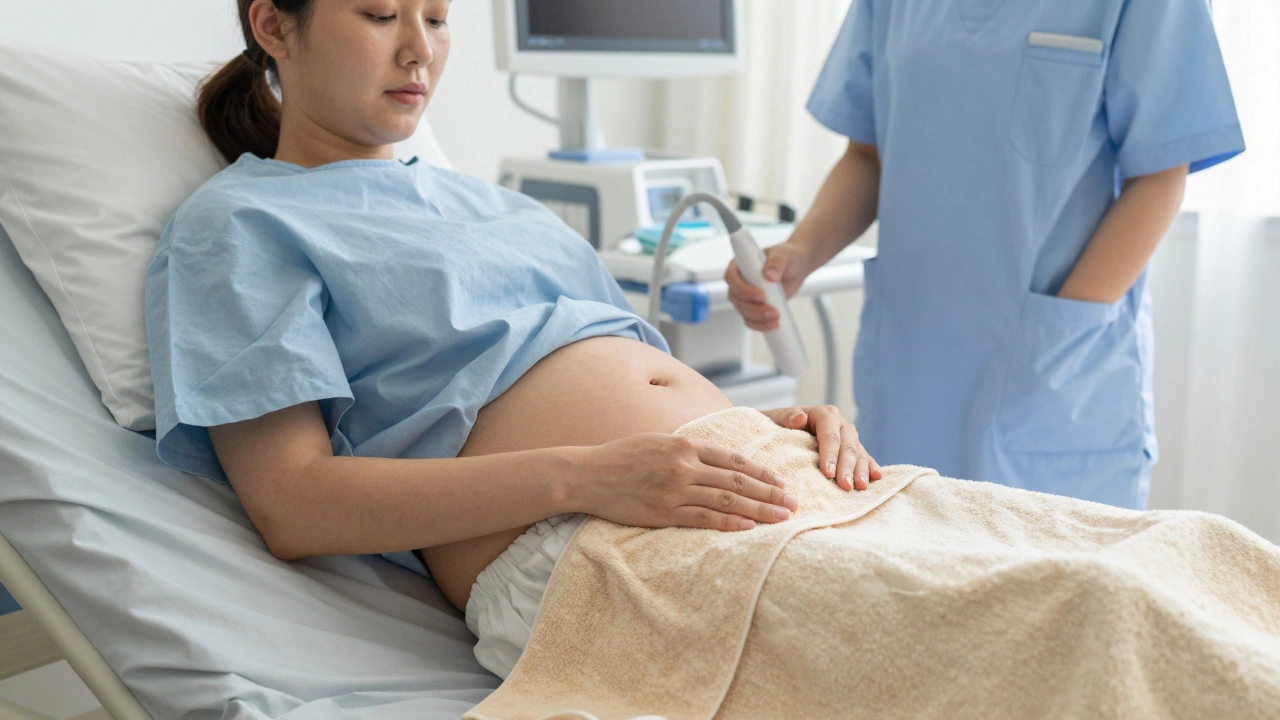
How to Pee After Knee Replacement: A Practical Guide for Recovery
Trouble peeing after knee replacement is common but rarely discussed. Learn why it happens, what helps, and when to get medical help during recovery.