How to Pee After Knee Replacement: A Practical Guide for Recovery
 Dec, 2 2025
After knee replacement surgery, one of the most common but rarely talked about problems is trouble peeing. It’s not embarrassing-it’s physical. Your body’s been through major stress, you’re on pain meds, you’re moving less, and your bladder doesn’t know what to do. Many people don’t realize how normal this is until they’re stuck trying to go and nothing happens. If you’re asking how to pee after knee replacement, you’re not alone. About 1 in 3 people have some kind of urinary issue in the first few days after surgery.
Why Can’t You Pee After Knee Replacement?
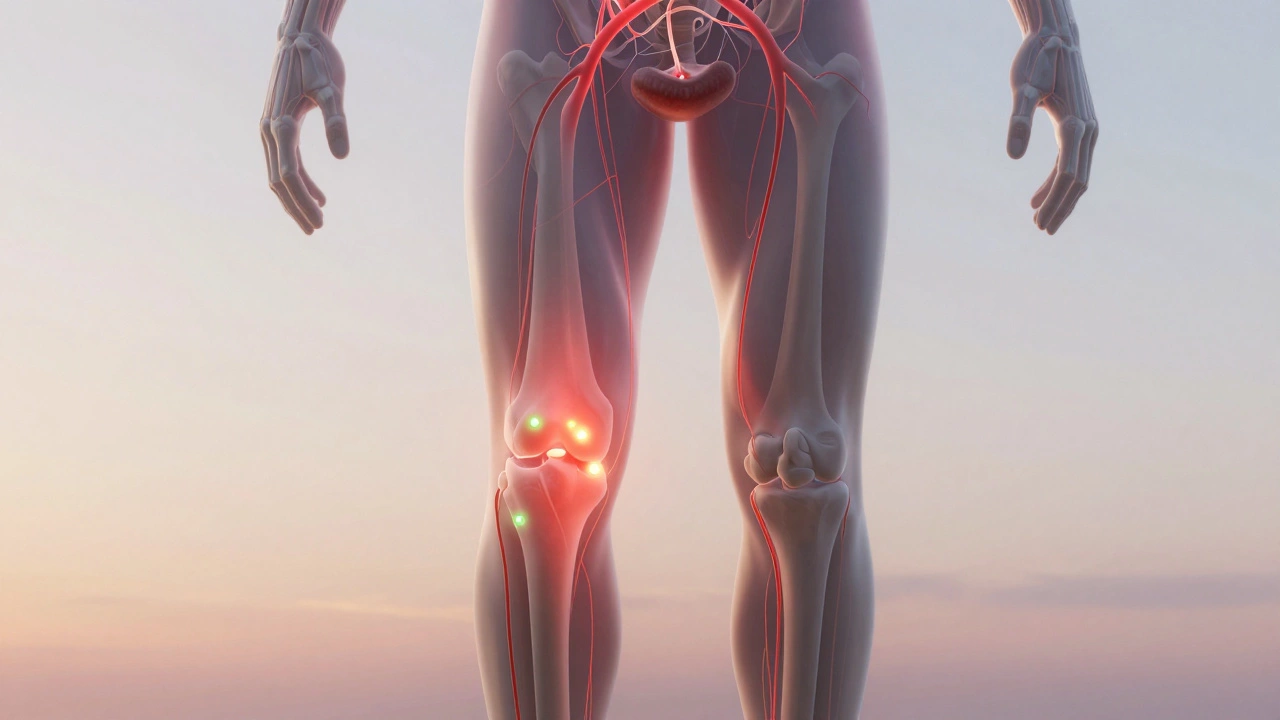
Your bladder works like a muscle. When you’re healthy, it contracts automatically when full. After surgery, that signal gets mixed up. Painkillers like opioids slow down your nervous system, including the nerves that tell your bladder to empty. You’re also lying still for hours, which reduces blood flow and makes your bladder less sensitive. Plus, swelling around the surgical site can press on nerves connected to your bladder.
Some people wake up after surgery and feel like they need to go-but nothing comes out. Others feel a constant urge but can’t start. That’s called urinary retention. It’s not an infection. It’s not your fault. It’s just your body adjusting.
What You Can Do Right After Surgery
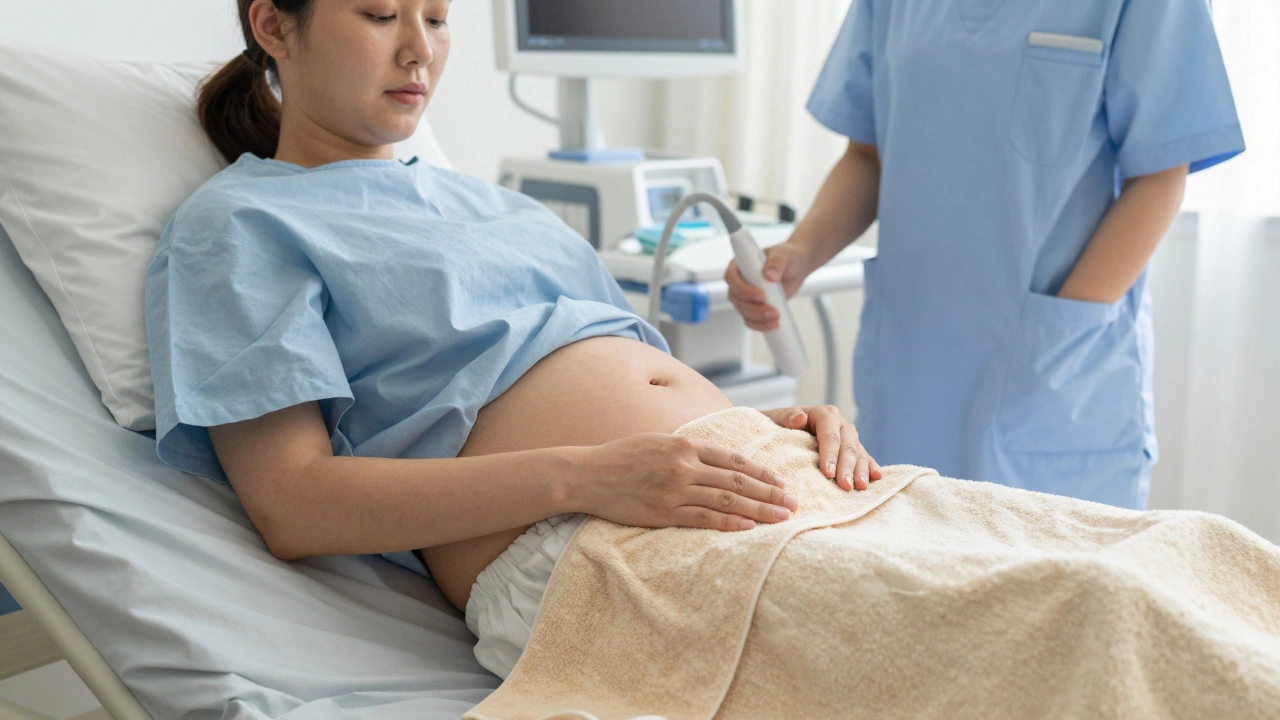
The hospital staff will monitor your output. If you haven’t peed in 6-8 hours after surgery, they’ll check your bladder with an ultrasound. If it’s full, they may insert a temporary catheter. This isn’t punishment-it’s safety. A swollen bladder can damage your kidneys or cause severe pain.
Here’s what helps most people get back to normal:
- Get up and move-even if it’s just sitting on the edge of the bed. Standing helps gravity and nerve signals reset.
- Drink water-but not too fast. Sip slowly. Dehydration makes urine thick and harder to pass. Too much too fast overwhelms your system.
- Try running water-turn on the faucet. The sound can trigger the reflex in your brain that says, “It’s time.”
- Warm your lower belly-a warm towel or heating pad on your pubic area can relax the muscles around the bladder.
- Don’t push-straining can cause bleeding or hurt your new knee. Let it happen naturally.
Medications That Make It Harder
Opioids are the biggest culprit. If you’re on oxycodone, hydrocodone, or morphine, they’re likely slowing your bladder. Your doctor might switch you to non-opioid pain relievers like acetaminophen or ibuprofen as soon as possible. These don’t affect bladder function the same way.
Some anticholinergic drugs-used for overactive bladder or motion sickness-can make urinary retention worse. If you take these regularly, tell your surgical team before the operation. They might pause them temporarily.
Diuretics (water pills) can also confuse things. If you’re on them for high blood pressure, your doctor may hold them for 24 hours after surgery to avoid dehydration and electrolyte imbalance.
When to Ask for Help
You should speak up if:
- You haven’t peed in more than 8 hours after surgery
- Your lower belly feels tight, swollen, or painfully full
- You feel constant pressure but nothing comes out
- You notice blood in your urine after the first day
These aren’t signs of infection yet-but they are signs your bladder needs help. Waiting too long can lead to urinary tract infections, bladder spasms, or even kidney strain. Don’t wait until you’re in agony to say something.
Home Tips for the First Week
Once you’re home, things get easier-but still tricky. You might still feel off. Here’s how to make it smoother:
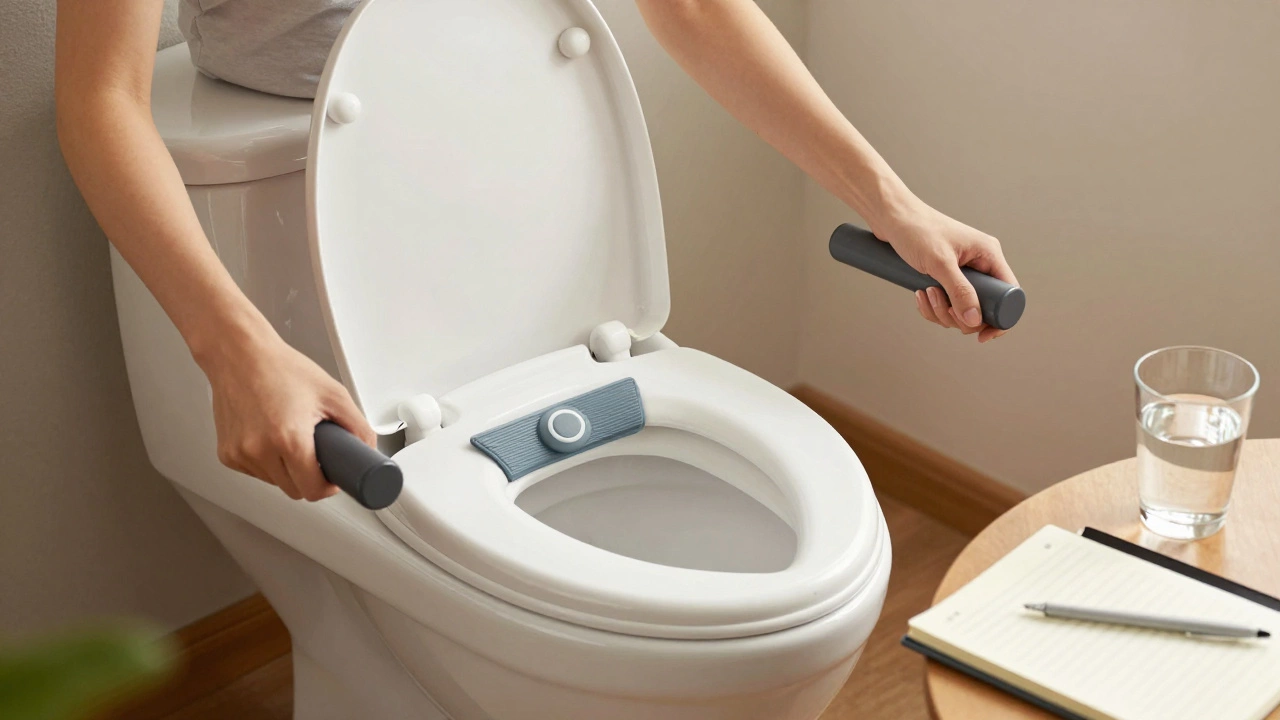
- Use a raised toilet seat-it reduces how much you have to bend your knee. A 4-6 inch增高座 is ideal. You can buy one at any medical supply store.
- Keep a urinal or bedside commode nearby-if you’re dizzy or weak, you don’t want to walk far. A portable urinal for men or a female urination device (like a SheWee) can be lifesavers.
- Don’t hold it-go as soon as you feel the urge. Your bladder is still sensitive.
- Track your output-write down how much you pee each time. If you’re peeing less than 300 ml per trip, or less than 4 times a day, talk to your doctor.
What Doesn’t Work
Some advice you hear online is misleading:
- Drinking cranberry juice won’t help you pee. It might help prevent infection, but it doesn’t stimulate bladder function.
- Massaging your lower belly can sometimes make things worse if done too hard. Gentle warmth is better than pressure.
- Waiting for it to “just happen”-if it doesn’t work after 8 hours, don’t hope. Ask for help.
How Long Does This Last?
Most people start peeing normally within 2-3 days. A few take up to a week. If you’re still having trouble after 7 days, your doctor might refer you to a urologist. This isn’t common, but it happens. The good news? Once your pain meds are reduced and you’re moving around again, your bladder usually snaps back on its own.
One patient I worked with in Birmingham stopped peeing for 12 hours after surgery. She was scared. We put in a catheter for 24 hours, switched her pain meds, and she was peeing on her own by day three. She said it felt like her body finally remembered how to work.
Preventing Future Issues
If you’ve had this problem before, or if you’re over 65, have an enlarged prostate, or have had bladder issues in the past, tell your surgeon before the operation. They can plan ahead-maybe use less opioids, schedule early mobility, or have a catheter ready.
After surgery, stay hydrated, move regularly, and avoid sitting for long periods. Even short walks around the house help your whole system reset.
Is it normal to have trouble peeing after knee replacement surgery?
Yes, it’s very common. Up to 30% of patients experience some difficulty urinating in the first few days after surgery. It’s usually caused by pain medications, reduced movement, and swelling-not infection or damage.
How long after surgery should I be able to pee?
Most people pee within 6 to 8 hours after surgery. If you haven’t gone by then, medical staff will check your bladder. If it’s full, they may use a catheter temporarily. Don’t wait until you’re in pain to ask for help.
Can painkillers stop me from peeing?
Yes, especially opioids like oxycodone or morphine. They slow down the nerves that control your bladder. Switching to non-opioid pain relief like acetaminophen or ibuprofen often helps restore normal function within a day or two.
Should I use a catheter at home?
Usually not. Catheters are only used in the hospital if you can’t pee at all. At home, try a urinal, raised toilet seat, or portable commode instead. Only use a catheter at home if your doctor specifically tells you to.
When should I see a doctor about peeing problems after surgery?
Call your doctor if you haven’t peed in more than 8 hours, your lower belly feels swollen or hard, you feel constant pressure with no output, or you see blood in your urine after the first day. These are signs your bladder needs attention.