Mental Health: Signs, Causes, and Ayurvedic Ways to Support Your Mind
When we talk about mental health, the state of your emotional, psychological, and social well-being. Also known as mental wellness, it affects how you think, feel, and handle daily stress. It’s not just the absence of anxiety or depression—it’s having the inner strength to bounce back, stay focused, and connect with others. And yes, your mind is just as important as your body when it comes to long-term health.
Many people ignore early signs of trouble—like trouble sleeping, constant irritability, or losing interest in things they used to love—until it’s too late. The real red flags aren’t just crying or feeling sad. They’re when someone stops answering calls, skips meals for days, or talks about feeling worthless. These aren’t just bad days. They’re signals your nervous system is overwhelmed. Ayurveda, a 5,000-year-old Indian system of medicine focused on balance sees mental health as deeply tied to digestion, sleep, and energy flow. When your Dosha, your unique mind-body constitution is out of balance—especially Vata, the energy of movement—it shows up as racing thoughts, fear, or insomnia.
Herbal supplements like ashwagandha and brahmi aren’t just trendy teas. They’re tools used for centuries to calm the nervous system, improve memory, and reduce cortisol. But they don’t work like pills—you need time, consistency, and lifestyle changes. Sleep, routine, and even how you breathe matter more than you think. Most modern treatments focus on symptoms. Ayurveda asks: why is your system out of sync? The posts below show you what real mental health struggles look like, how to spot them in yourself or someone you care about, and what natural approaches actually help—without hype or quick fixes. You’ll find real stories, clear timelines, and no sugar-coating. Whether you’re dealing with stress, anxiety, or just feeling off, there’s something here that speaks to your experience.

Why ADHD Lowers Life Expectancy: The Hidden Risks and What You Can Do
ADHD lowers life expectancy by 11-13 years due to higher risks of accidents, substance abuse, chronic illness, and suicide. But with proper treatment and support, these risks can be cut in half.
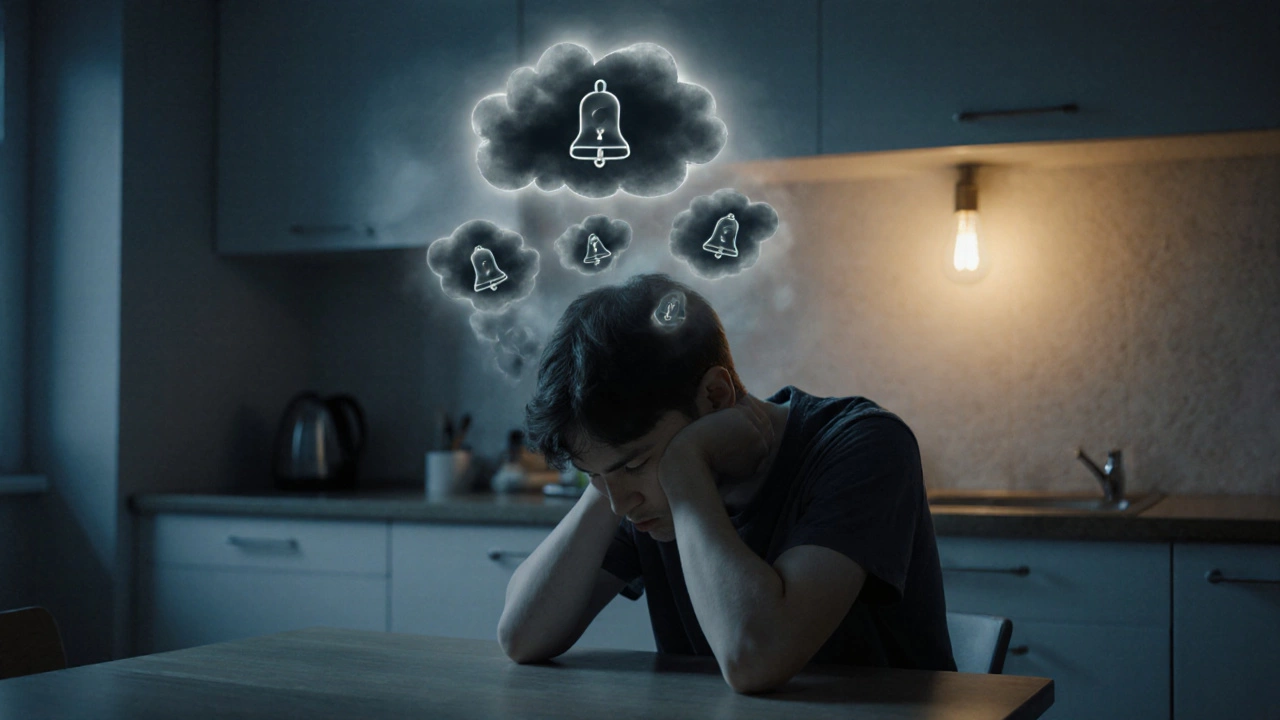
How to Tell If You Need Therapy - Signs & Steps
Learn how to recognize the signs that you might benefit from therapy, understand different therapy types, and get practical steps to start your mental health journey.

Can You Share Too Much With Your Therapist? Boundaries and Benefits Explained
Wondering if you can overshare with your therapist? This article explores how much to share, therapist boundaries, and tips for productive and safe therapy sessions.

Number One Deadliest Mental Illness: The Hard Truth About Eating Disorders
Most people have no idea that the deadliest mental illness isn’t depression or schizophrenia—it’s eating disorders, especially anorexia nervosa. This article breaks down why these disorders are so dangerous, the reasons behind high death rates, and the warning signs everyone should know. With real facts and practical tips, anyone can learn to spot trouble early and support loved ones. Forget the stereotypes: eating disorders can hit people of any age, gender, or background. Learn what action actually helps and how to protect yourself or someone you care about.

Strongest Form of Therapy: Does One Size Actually Fit All?
This article explores which therapy packs the biggest punch in treating mental health struggles. It breaks down different kinds of therapy and what actually makes a therapy 'strong.' You'll find straight talk about what works for anxiety, depression, and trauma, plus honest tips for picking the right approach. Spoiler: There’s more to it than just picking CBT or talking! Get the facts, not vague promises.

What Age Is ADHD Hardest? Understanding the Stormiest Years
Many parents and adults with ADHD want to know which age feels the hardest. This article breaks down why certain ages can hit differently when it comes to ADHD struggles. You'll see how symptoms can flare at different stages—like starting school or entering puberty—and what makes these times so tough. Get practical tips and real talk about how to spot challenges and handle them, whether you’re dealing with your own ADHD or supporting someone else. Knowing what to expect helps you stay ahead of the chaos.

What Beats Traditional Therapy in Mental Health?
Exploring alternatives to traditional therapy can uncover surprising paths to mental well-being. While therapy remains essential, other practices like meditation, exercise, and social connections can play significant roles. This article delves into unconventional strategies that complement therapy in boosting mental health. It provides practical insights and tips to help individuals find balance and resilience in their daily lives.