Why ADHD Lowers Life Expectancy: The Hidden Risks and What You Can Do
 Feb, 24 2026
ADHD Life Expectancy Risk Calculator
Based on research showing ADHD reduces life expectancy by 11-13 years, this tool estimates your current risk level based on key factors from clinical studies. Treatment can reduce your risk by up to 50%.
People with ADHD don’t just struggle with focus or impulsivity-they face a real, measurable drop in life expectancy. Studies show that adults with ADHD live, on average, 11 to 13 years less than those without it. That’s not a guess. It’s based on tracking over 1.5 million people across Sweden, the U.S., and the U.K. over 20+ years. This isn’t about being "lazy" or "unmotivated." It’s about systemic, often overlooked dangers that quietly pile up over time.
Accidents and Injuries: The Silent Killer
The biggest single factor pulling life expectancy down? Accidents. People with ADHD are three to four times more likely to die from unintentional injuries. Why? Impulsivity doesn’t just mean blurting out answers in class-it means crossing the street without looking, speeding on the highway, or not wearing a helmet while biking. A 2023 study in the British Journal of Psychiatry found that ADHD was linked to a 47% higher risk of fatal car crashes, even after controlling for alcohol use and age. Emergency room visits for head injuries, falls, and burns are also far more common. These aren’t rare events. They’re everyday risks that compound.
Substance Abuse and Overdose
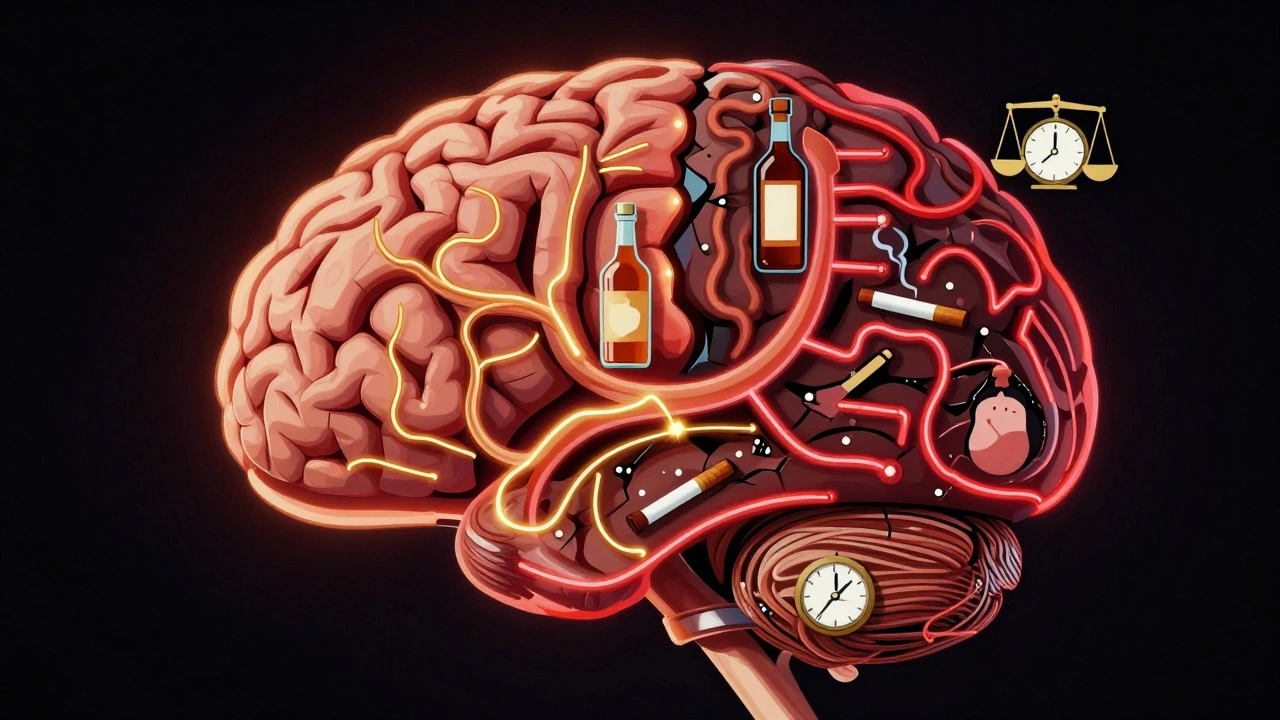
ADHD and substance use disorders go hand in hand. Around 1 in 5 adults with ADHD develop an addiction to alcohol, nicotine, or drugs. That number jumps to nearly 1 in 3 if ADHD went undiagnosed until adulthood. The brain’s reward system in ADHD is wired differently-it craves quick, intense stimulation. Smoking, drinking, or using stimulants like cocaine can feel like relief. But the long-term cost? Liver damage, lung disease, heart failure, and overdose. In the U.S., ADHD is present in over 25% of all fatal drug overdoses. That’s not coincidence. It’s a direct link.
Chronic Health Problems: The Domino Effect
ADHD doesn’t just affect the mind-it affects the body. People with ADHD are more likely to develop obesity, type 2 diabetes, and heart disease. Why? Poor sleep, irregular eating habits, skipping doctor’s appointments, and forgetting medications. A 2024 analysis from the University of Birmingham found that adults with ADHD were 50% more likely to have uncontrolled high blood pressure because they missed doses or didn’t track their readings. Diabetes management? Harder. Weight loss? Much harder. These aren’t personality flaws. They’re symptoms of a brain that struggles with routine, planning, and delayed rewards.
Suicide and Self-Harm: The Overlooked Crisis
The emotional toll of ADHD is brutal. Chronic rejection, failure, and shame wear people down. Adults with ADHD are up to five times more likely to attempt suicide than those without it. A 2025 meta-analysis of 12 countries found that 14% of people with ADHD had made at least one serious suicide attempt by age 35. The risk spikes even higher if they also have depression, anxiety, or a history of trauma. Many go undiagnosed for years. They’re told they’re "just moody" or "not trying hard enough." No one connects the dots between their lifelong struggles and their mental health crisis.
Why Diagnosis and Treatment Matter So Much
This isn’t a death sentence. It’s a preventable pattern. The same studies that show lower life expectancy also show that treatment-medication, therapy, coaching-can cut the risk by half. Stimulant medications like methylphenidate don’t just help focus. They reduce impulsive behavior, lower accident rates, and even cut the risk of substance abuse. Cognitive behavioral therapy (CBT) helps people build routines, manage emotions, and recognize warning signs before they spiral. A 2023 U.K. NHS study found that adults with ADHD who received consistent care over five years had life expectancy close to the general population. That’s the power of intervention.

What Works: Real Strategies That Save Lives
- Medication, when prescribed: Stimulants (like Adderall or Ritalin) or non-stimulants (like atomoxetine) can reduce accident rates by up to 40%.
- Structured routines: Use phone alarms, weekly planners, and visual checklists. Don’t rely on memory.
- Therapy: CBT and ADHD coaching teach coping skills that stick. Group therapy reduces isolation.
- Regular health checkups: Get blood pressure, glucose, and cholesterol checked yearly. Don’t wait until you feel sick.
- Support networks: Family, friends, or online ADHD communities help you stay accountable.
One man in Birmingham, diagnosed at 38 after years of job losses and DUIs, started on medication and joined a weekly ADHD support group. Five years later, he’s off alcohol, lost 50 pounds, and hasn’t had a single accident. His story isn’t rare. It’s repeatable.
The Big Misconception
Many think ADHD is just a childhood disorder that fades with age. It doesn’t. It transforms. The hyperactivity turns into restlessness. The distractibility turns into chronic disorganization. The impulsivity turns into risky behavior. And without support, the consequences keep stacking up-until they become irreversible.
What You Can Do Today
If you or someone you know has ADHD and hasn’t sought help:
- See a mental health professional who specializes in adult ADHD.
- Ask about medication options-even if you’ve tried them before.
- Start tracking your health: sleep, meals, exercise, medications.
- Reach out to a support group. You’re not alone.
ADHD isn’t a character flaw. It’s a neurodevelopmental condition with real physical consequences. But it’s also one of the most treatable. The gap in life expectancy isn’t fate-it’s a call to action.
Does ADHD shorten life expectancy even if someone is on medication?
Yes, but significantly less. People with ADHD who take medication consistently and receive ongoing care reduce their risk of premature death by up to 50%. Medication helps with impulse control, focus, and emotional regulation, which directly lowers accident rates, substance abuse, and suicide risk. But medication alone isn’t enough-therapy, routines, and social support are equally important.
Can ADHD be diagnosed in adulthood?
Absolutely. Many people aren’t diagnosed until their 30s, 40s, or even later. Symptoms change with age-hyperactivity fades, but disorganization, emotional dysregulation, and chronic underachievement persist. A qualified clinician can review childhood history, school records, and current symptoms to make an accurate diagnosis. It’s never too late to get help.
Is ADHD linked to early death even without substance abuse?
Yes. Even without addiction, people with ADHD face higher risks from accidents, poor health habits, and suicide. A 2024 study found that untreated ADHD alone increased the risk of fatal injury by 38%, regardless of drug or alcohol use. The brain’s difficulty with planning and consequence awareness leads to everyday risks that add up over time.
Are there non-medication ways to improve life expectancy with ADHD?
Yes. Cognitive behavioral therapy (CBT), ADHD coaching, regular sleep schedules, exercise, and structured routines can significantly improve outcomes. One study showed that adults who used daily planners, alarms, and weekly check-ins with a coach reduced their risk of accidents and hospitalization by 35%. Medication helps, but systems and support matter just as much.
Why do doctors miss ADHD in adults?
Many doctors still think ADHD is a "kid’s disorder." They see anxiety or depression and treat those without digging deeper. But ADHD often hides underneath. A person with chronic job loss, relationship problems, and forgetfulness might be diagnosed with stress or burnout-when the root cause is untreated ADHD. Ask for a full assessment if you’ve struggled since childhood. You deserve better.