IVF Success Factors: What Really Affects Your Chances
When you're considering IVF, in vitro fertilization, a medical process where eggs are fertilized outside the body and implanted into the uterus. Also known as assisted reproductive technology, it's not a guarantee—but knowing the real IVF success factors can help you prepare smarter, not just hope harder. Many assume it’s all about age, but while age matters, it’s just one piece of a much bigger puzzle.
What really shapes your odds? First, embryo quality, the health and development stage of the fertilized egg before implantation—a top-grade embryo has a much better shot than one that’s slow-growing or chromosomally abnormal. Then there’s hormone response, how your body reacts to fertility drugs that stimulate egg production. Some women produce 15 strong eggs; others get five weak ones, even with the same meds. Your uterine lining thickness, immune system activity, and even stress levels play roles too. Studies show women with chronic stress during IVF cycles have lower implantation rates—not because they’re "not trying hard enough," but because cortisol interferes with uterine blood flow.
And while IVF gender selection, using genetic testing to choose the sex of the embryo before transfer sounds like a power move, it’s rarely done for fun. In most places, it’s only allowed for medical reasons, like avoiding sex-linked genetic disorders. But it does tell you something important: clinics that offer it usually have advanced labs, which often means better overall embryo handling—and that’s a good sign for your chances.
Don’t get fooled by flashy ads promising 80% success. Real IVF success rates drop sharply after 35, and by 40, they’re often below 20% per cycle. But that doesn’t mean it’s impossible. Some women over 42 still succeed, especially if they use donor eggs. Others under 30 fail because of undiagnosed immune issues or thin linings. The key isn’t just doing IVF—it’s doing it with eyes wide open. You need to ask about your clinic’s live birth rates per transfer, not per cycle. Find out if they test embryos for chromosomes. Ask how they handle frozen transfers—those often have higher success than fresh ones.
And yes, IVF side effects, the physical and emotional reactions to fertility drugs and procedures are real. Bloating, mood swings, fatigue, and in rare cases, ovarian hyperstimulation syndrome. But these aren’t just discomforts—they’re signals. If you’re pushed into aggressive protocols without monitoring, you’re not being cared for—you’re being processed. The best clinics adjust meds based on your body’s feedback, not a script.
What you’ll find below aren’t generic tips or wishful thinking. These are real stories and facts from people who’ve been through it: how one woman improved her odds by switching clinics after her first failed cycle, why a 41-year-old succeeded with donor eggs after three failed attempts with her own, and what the data says about lifestyle changes that actually help. No fluff. No hype. Just what matters.
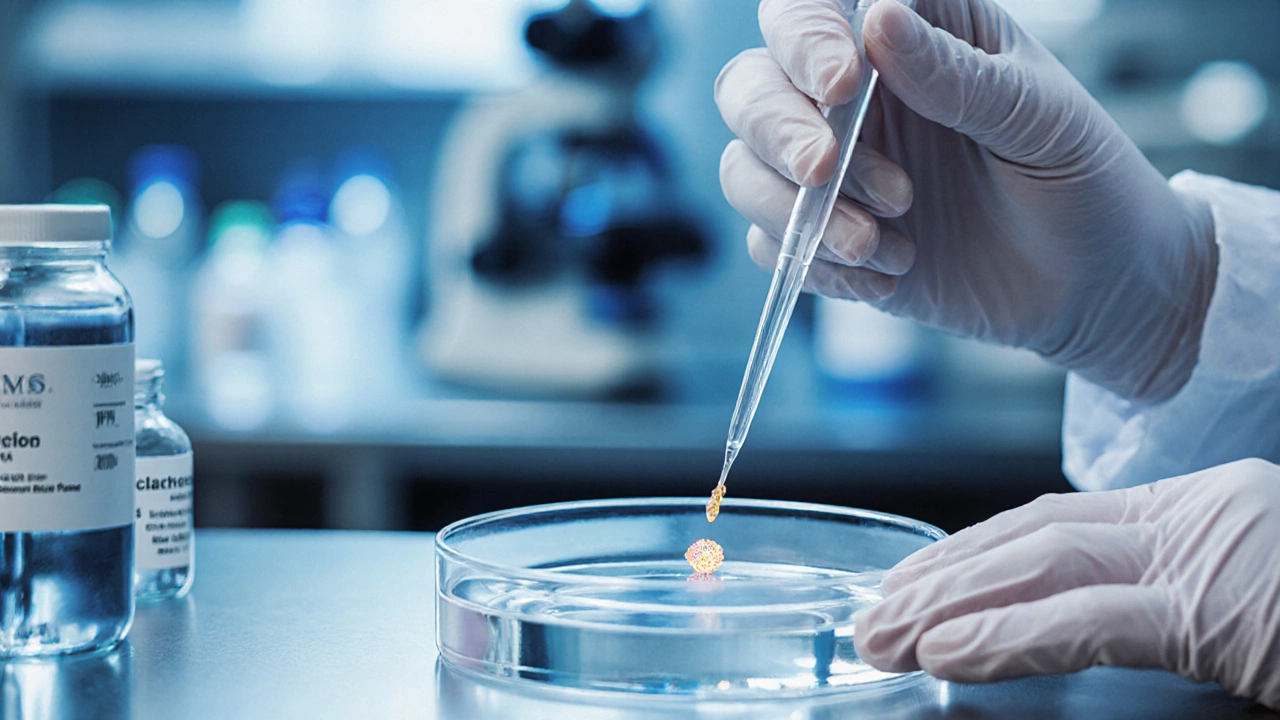
IVF Success Rate: How Likely Is Pregnancy with In‑Vitro Fertilisation?
Explore how age, clinic data, and lifestyle affect IVF success rates. Get clear numbers, key factors, and practical tips to understand your pregnancy odds with IVF.
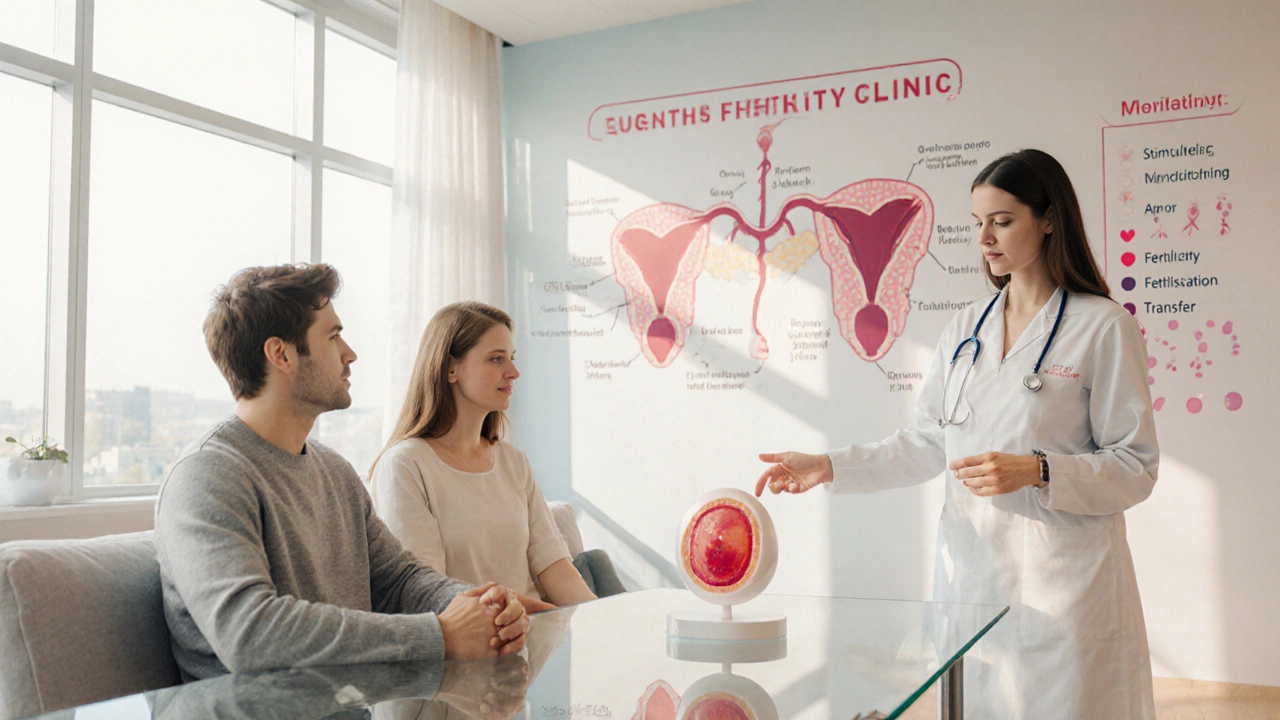
What Makes IVF So Tough? The Hardest Part Explained
Explore the toughest aspects of IVF-from hormone injections and egg retrieval to the emotional two‑week wait-plus practical tips to manage each challenge.