Cancer Treatment: Real Facts About Cure, Pain, and Recovery
When we talk about cancer treatment, the medical approaches used to fight abnormal cell growth in the body. Also known as cancer therapy, it includes everything from surgery and chemotherapy to radiation and newer targeted drugs. It’s not just about killing cancer—it’s about managing pain, preserving quality of life, and understanding what recovery really looks like. Most people assume cancer treatment means one thing: chemotherapy. But the truth is, treatment plans are as unique as the people getting them. Some need surgery to remove a tumor. Others rely on radiation to target a stubborn spot. And for many, especially with advanced stages, the goal shifts from cure to control.
chemotherapy, a drug-based treatment that targets fast-growing cells. Also known as chemo, it’s powerful—but it doesn’t always mean victory. Many people wonder if their body ever fully recovers after chemo. The answer? Sometimes yes, sometimes no. Fatigue, nerve damage, immune changes, and brain fog can stick around for months or even years. And then there’s cancer pain, the physical suffering caused by tumors pressing on nerves, bones, or organs. Cancer-related pain isn’t the same as treatment pain. Pancreatic cancer, bone cancer, and advanced stages often rank highest in pain intensity. Managing it isn’t optional—it’s part of the treatment. And when we talk about stage 4 cancer, the most advanced stage where cancer has spread beyond its origin. Also known as metastatic cancer, it’s often misunderstood as a death sentence. But survival rates are improving. Some people live for years with stage 4 cancer, managing it like a chronic illness. The key? Knowing what’s possible, not just what’s feared. Then there’s the question of cancer cure, when cancer is gone and doesn’t come back. Being cured isn’t the same as being in remission. Remission means no signs of cancer right now. Cure means it’s gone for good. For some cancers, like early-stage breast or thyroid, cure is common. For others, like pancreatic or lung cancer, it’s rare. But even when cure isn’t likely, treatment can still give you more time—and better days.
What you’ll find in the articles below isn’t theory. It’s real talk from people who’ve lived through this. You’ll learn which cancers hurt the most, why chemo leaves some people drained for years, and what stage 4 actually means in the real world—not the movies. You’ll see the difference between hope and hype, and understand what recovery really looks like after treatment ends. This isn’t about false promises. It’s about knowing what’s possible, so you can make smarter choices—for yourself or someone you care about.

At What Stage of Cancer Do You Feel Pain? Understanding When Pain Starts and Why
Cancer pain doesn't always mean advanced disease. Learn when pain typically appears, what causes it, and how it's managed at every stage-without myths or fear.
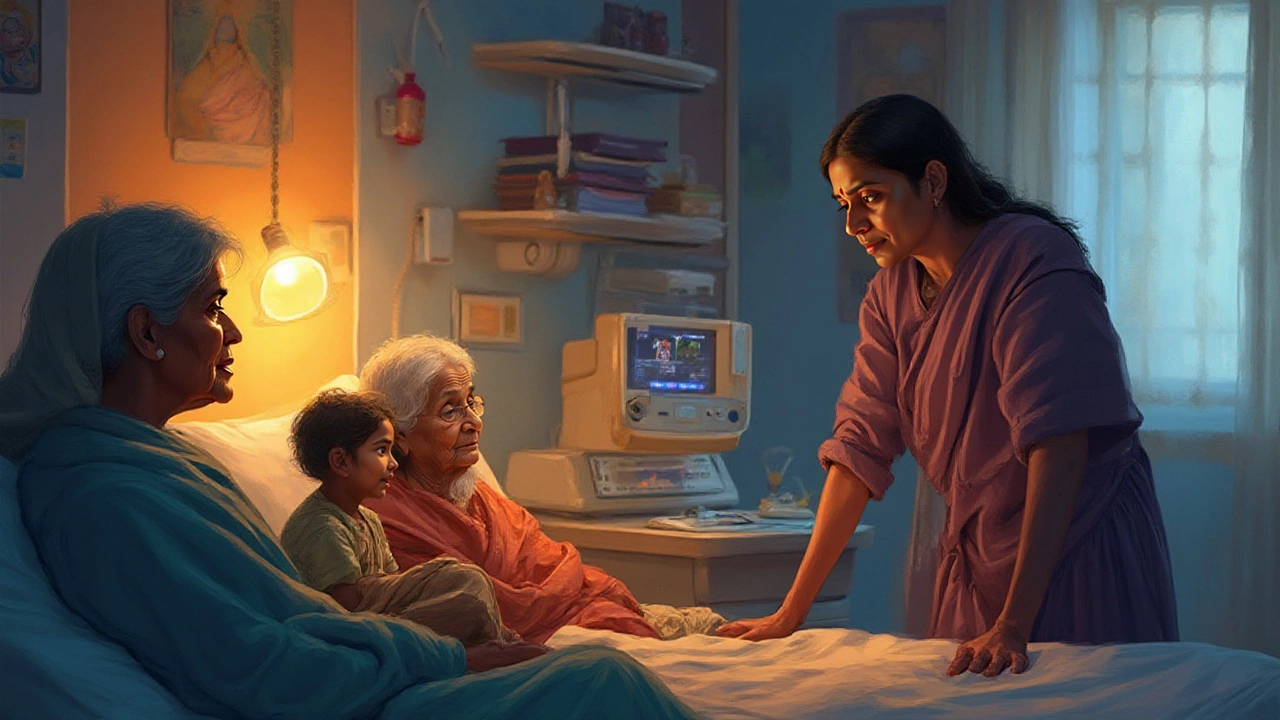
When Is Cancer No Longer Curable? Signs, Stages, and Real-Life Answers
Cancer isn't always a death sentence, but there comes a time when it can't be cured. Discover when cancer is considered incurable, what 'hopeless' really means in oncology, and what everyone should know—early or late.

Is Stage 4 Cancer Always Terminal? Real Facts Patients Need
Stage 4 cancer doesn't always mean terminal. Learn what stage 4 actually means, survival rates, real facts, common myths, and tips from doctors.

Most Painful Cancer: What You Need to Know
Some cancers are known for causing intense pain that can really take over a person’s life. This article talks about which cancers hurt most and why, and how doctors handle the pain. You'll get honest details, real-world tips, and things patients and families should know. We’ll cover which types of cancer top the pain charts, what makes them so unique, and what actually helps. If pain control matters to you, this is worth a read.

Can You 100% Beat Cancer? An Honest Look at Cures, Risks, and Hope
People often ask if it's possible to fully beat cancer. This article breaks down what 'cured' really means, gives honest facts about treatment and the chance of cancer returning, and shares practical tips for lowering your own risk. It covers the latest advances and the real-life odds so you can better understand what's happening in the fight against cancer. You'll find out what doctors really mean when they say you're 'in remission' versus 'cured.' Get clear answers to tough questions without any sugarcoating.
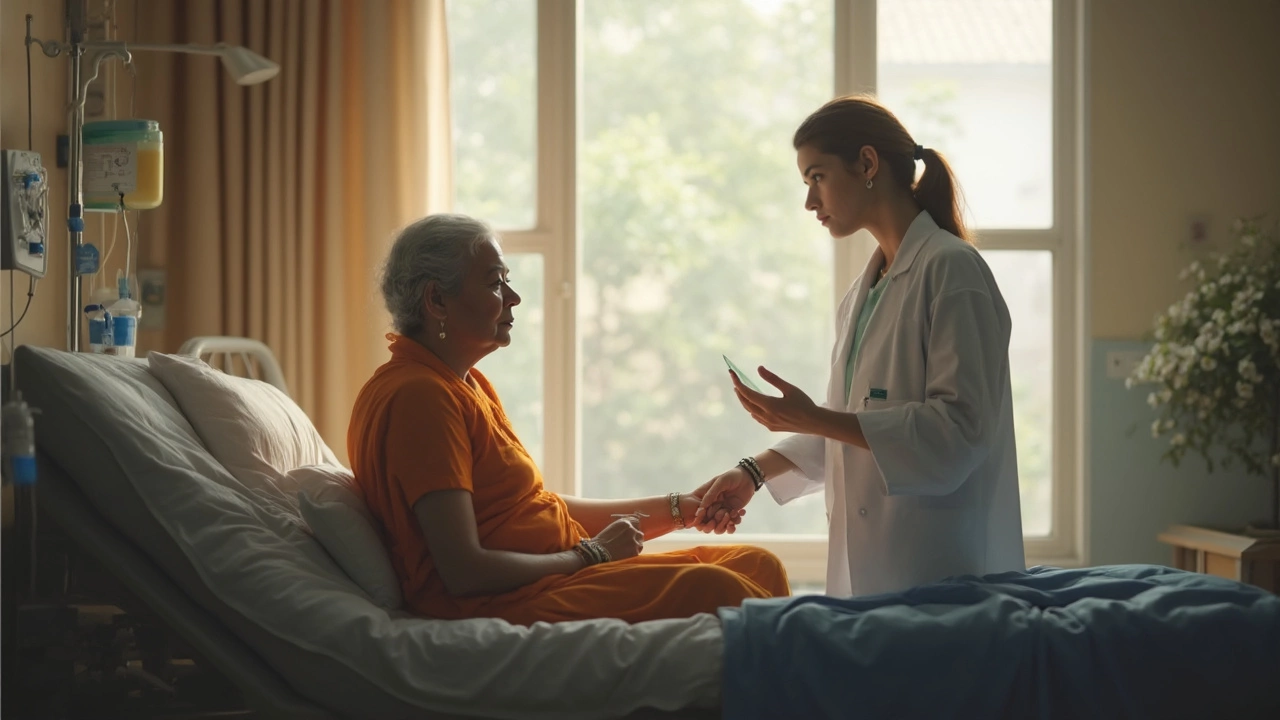
Most Painful Cancer Treatment: What Patients Actually Experience
Cancer treatments are tough, but some can be especially painful, both physically and emotionally. This article breaks down which options are most likely to cause severe pain and why. You'll find out which treatments patients dread the most, surprising facts about pain management, and practical ways people cope. We also dig into the difference between treatment pain and cancer pain itself. If you’re facing cancer or supporting someone who is, understanding these realities can make the journey less unpredictable.

Does Your Body Ever Fully Recover from Chemotherapy?
Chemotherapy is a tough battle for many facing cancer, and the recovery process is often long and complex. This article explores whether the body ever fully recovers from chemotherapy, uncovering the potential long-lasting effects and what can truly heal over time. We dive into aspects like energy levels, immune system, and tips for boosting overall well-being post-treatment. Understanding these elements can be crucial for anyone navigating life after chemo.
What Are 90% of All Cancers?
Explore the fascinating world of cancer as we uncover what makes up 90% of all cancer cases. Delve into the most common types of cancers, their causes, and practical tips for prevention. This insightful guide offers a straightforward look at what you need to know about these prevalent illnesses. Empower yourself with knowledge to take proactive steps towards a healthier life.

Cancer Treatment: What's the Main Method?
Cancer treatment is a crucial topic with chemotherapy standing out as the most widely recognized approach. This article breaks down the main methods, including chemotherapy, and explores why it holds a pivotal place in cancer therapy. It sheds light on how these treatments work, what they involve, and the impact they have on patients' lives. Get a clear and practical understanding of cancer treatment options, helping patients and their families make informed decisions.
What is the Most Aggressive Cancer?
Aggressive cancers are a tough battle, with pancreatic cancer often topping the list due to its sharp stealth and resilience. Understanding the traits of these cancers helps in early diagnosis, potentially tipping the balance in treatment success. This article explores what makes a cancer aggressive, discusses examples like pancreatic and lung cancer, and offers guidance for better management and support. Real-life insights, timely treatment options, and coping strategies aim to provide practical aid for those grappling with these daunting diagnoses.

Can You Fully Beat Cancer? Exploring the Realities of Treatment
Beating cancer is often considered the ultimate goal following a diagnosis, but the reality is more complex. While complete eradication is possible for some, others might need lifelong management. The article uncovers various treatment paths, survival odds, and what 'beating cancer' means in modern medicine. With advancements in personalized medicine and early detection, surviving and thriving post-cancer is increasingly realistic though challenges remain.
10 Signs of Cancer You Need to Pay Attention To
Cancer can be a sneaky adversary, often showing subtle signs that are easy to overlook. Recognizing these early symptoms can make a significant difference in treatment outcomes. From unexplained weight loss to unusual lumps and persistent fatigue, staying vigilant can save lives. This article outlines ten key signs of cancer you shouldn't ignore, helping you identify potential red flags early on.