Zepbound vs Ozempic: Which GLP-1 Is Better for Weight Loss in 2026?
 Jun, 30 2026
Zepbound vs Ozempic Weight Loss Estimator
Estimated Weight Loss
0 lbs
Estimated Weight Loss
0 lbs
Comparison Summary
Enter your details above to see the comparison.
It is June 2026, and the pharmacy counter looks different than it did three years ago. The shelves are stocked, but the choices are more complex. You have two powerhouse medications sitting side by side: Ozempic, which became a cultural phenomenon, and Zepbound, the newer contender that promises even greater results. Both contain active ingredients that target your appetite, both require a prescription, and both come with significant price tags. But if you are looking to lose weight, are they the same? No. In fact, recent data suggests one might be significantly more effective than the other.
The confusion is understandable. Many people use these terms interchangeably because they work similarly. However, from a clinical standpoint, they are distinct tools for slightly different jobs. Understanding the difference between semaglutide (the drug in Ozempic) and tirzepatide (the drug in Zepbound) is crucial before you commit to a treatment plan. This isn't just about branding; it's about biology.
The Core Difference: One Hormone vs Two
To understand why Zepbound is often cited as "better" for weight loss, we need to look at how your body signals hunger. Your gut releases hormones after you eat to tell your brain you are full. The primary hormone here is GLP-1 (glucagon-like peptide-1). Ozempic contains semaglutide, which mimics this single hormone. It works well. It slows down stomach emptying and sends a steady signal to your brain that you are satisfied.
Zepbound, however, takes a different approach. Its active ingredient, tirzepatide, is a dual agonist. It mimics not just GLP-1, but also GIP (glucose-dependent insulinotropic polypeptide). Think of it as having two keys instead of one. By activating both receptors, tirzepatide creates a stronger effect on appetite suppression and insulin sensitivity. In simple terms, while Ozempic tells your brain "you're full," Zepbound says "you're full, and here is extra help managing your blood sugar response." This dual action is why clinical trials consistently show higher weight loss percentages with Zepbound compared to Ozempic.
| Feature | Ozempic (Semaglutide) | Zepbound (Tirzepatide) |
|---|---|---|
| Active Ingredient | Semaglutide | Tirzepatide |
| Mechanism | GLP-1 Receptor Agonist (Single) | GLP-1 & GIP Receptor Agonist (Dual) |
| Primary FDA Indication | Type 2 Diabetes | Chronic Weight Management |
| Average Weight Loss (Clinical Trials) | ~15% of body weight | ~20-22% of body weight |
| Dosing Frequency | Once Weekly | Once Weekly |
| Common Side Effects | Nausea, diarrhea, vomiting | Nausea, diarrhea, constipation |
Why "Better" Depends on Your Goal
If your sole goal is maximum weight loss, the data currently favors Zepbound. In the SURMOUNT clinical trials, participants taking the highest dose of tirzepatide lost an average of 22% of their body weight over 72 weeks. Compare that to the STEP trials for semaglutide, where participants lost around 15%. That 7% difference sounds small on paper, but for a person weighing 200 pounds, that’s the difference between losing 30 pounds and 44 pounds. For many patients, that extra margin makes Zepbound the superior choice.
However, "better" is subjective. If you have Type 2 diabetes and no interest in aggressive weight loss, Ozempic remains the gold standard. It has a longer track record of cardiovascular benefit data specifically approved for reducing heart attack and stroke risk in diabetic patients. While Zepbound is showing promise in heart health studies, Ozempic’s approval for cardiovascular protection is already established. So, if you are a diabetic patient prioritizing heart safety over scale numbers, Ozempic might still be the better option for you.
The Cost Factor in 2026
Let’s talk about money, because this is usually the biggest hurdle. In the UK and US, neither drug is cheap without insurance coverage. As of mid-2026, the list price for Zepbound hovers around $1,300 per month, while Ozempic sits slightly lower but still high. Insurance coverage varies wildly. Many plans cover Ozempic for diabetes but exclude it for off-label weight loss. Zepbound, being approved specifically for obesity, sometimes faces different scrutiny from insurers who may view it as "lifestyle" rather than "medical necessity."
In the UK, access through the NHS is limited. Both drugs are generally only prescribed under strict criteria: severe obesity (BMI over 35) with comorbidities like diabetes or hypertension. If you fall outside these brackets, you will likely need to pay out-of-pocket via private pharmacies. This is where online pharmacies become relevant. They offer convenience and often competitive pricing, but you must verify their legitimacy. Always check for the General Pharmaceutical Council (GPhC) registration if you are buying in the UK.
Side Effects: Are They Worse?
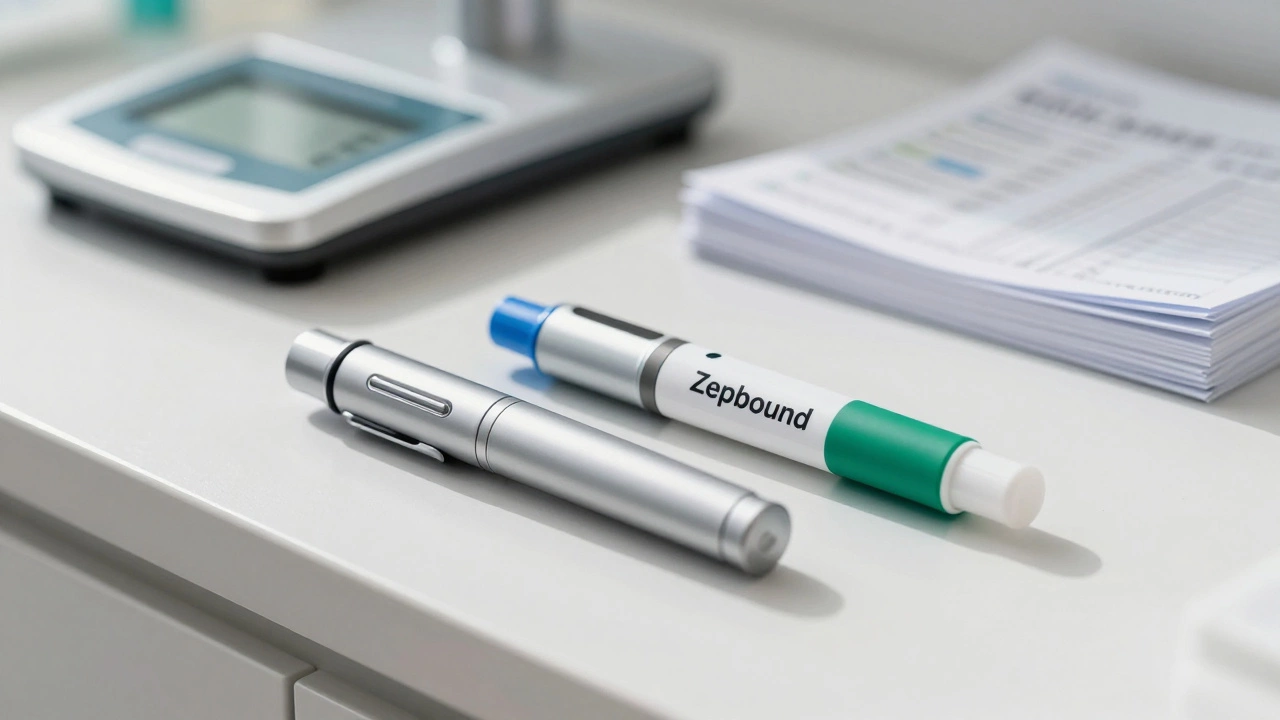
A common fear is that if a drug works harder, it hurts more. With Zepbound vs Ozempic, the side effect profiles are surprisingly similar. Both drugs slow gastric emptying, which leads to the classic GI issues: nausea, vomiting, diarrhea, and constipation. Most patients experience these during the titration phase-when you are slowly increasing the dose.
Some anecdotal reports suggest Zepbound causes slightly more gastrointestinal distress due to its potency, but clinical data shows the rates are comparable. The key is starting low and going slow. Whether you take semaglutide or tirzepatide, your body needs time to adjust. Drinking plenty of water, eating smaller meals, and avoiding high-fat foods can mitigate these symptoms. If you cannot tolerate the nausea from Ozempic, switching to Zepbound won’t necessarily solve it, and vice versa.
Who Should Choose Which?
Deciding between these two isn't just about picking the strongest drug. It’s about matching the medication to your medical history and lifestyle. Here is a quick guide to help you navigate the choice:
- Choose Zepbound if: Your primary goal is significant weight loss (BMI >30 or >27 with weight-related conditions), you have tried other methods without success, and you want the most potent option available. It is also ideal if you do not have Type 2 diabetes but struggle with metabolic health.
- Choose Ozempic if: You have Type 2 diabetes and need proven cardiovascular protection, you are sensitive to new medications and prefer a drug with a longer safety history, or your insurance covers Ozempic but not Zepbound.
- Consider Wegovy instead: Wait, what is Wegovy? It is the same drug as Ozempic (semaglutide) but dosed higher and approved specifically for weight loss. If you don't have diabetes, Wegovy is technically the correct "brand" for semaglutide weight loss, though many doctors prescribe Ozempic off-label due to availability issues. Zepbound competes directly with Wegovy, not just Ozempic.

Long-Term Sustainability
One critical question remains: what happens when you stop? Studies show that weight regain is common with both drugs once treatment ceases. Obesity is a chronic condition, much like hypertension. Treating it requires long-term management. Neither Zepbound nor Ozempic is a "cure." They are tools that manage your appetite hormones. If you stop taking them, your hunger signals return to baseline, and without behavioral changes, the weight often comes back.
This reality check is vital. Before starting either medication, ask yourself if you are prepared for a long-term commitment. These are not short-term fixes. They are part of a broader strategy that includes diet, exercise, and sleep hygiene. The drug handles the biological drive to eat; you handle the habits that keep the weight off.
Finding a Legitimate Source
With demand soaring, counterfeit medications have appeared in the market. Never buy these drugs from social media sellers or unverified websites. In the UK, ensure your online pharmacy displays the GPhC logo and provides a clear physical address. In the US, look for VIPPS accreditation. A legitimate pharmacist will review your medical history, check for contraindications (like a family history of medullary thyroid carcinoma), and provide proper storage instructions. These drugs require refrigeration until opened, then can be stored at room temperature for a limited period. Proper handling ensures the medication remains effective.
Can I switch from Ozempic to Zepbound?
Yes, but you must do so under medical supervision. Because both drugs affect your metabolism and blood sugar, your doctor will likely advise stopping Ozempic for a specific period (usually one week) before starting Zepbound to avoid overlapping side effects. Do not simply add one to the other without guidance.
Is Zepbound covered by insurance in the UK?
Coverage is limited. The NHS typically restricts prescribing to patients with a BMI over 35 and existing health complications. Private insurance may cover it depending on your policy details, but many exclusions apply for weight-loss-specific treatments. Check with your provider directly.
Does Zepbound cause muscle loss?
Rapid weight loss from any method can lead to muscle loss if protein intake is insufficient. To preserve muscle mass while on Zepbound, aim for high protein consumption (1.2-1.6g per kg of body weight) and incorporate resistance training. The drug itself does not target muscle, but the calorie deficit does.
Which drug is safer for the heart?
Currently, Ozempic (semaglutide) has a specific FDA indication for reducing cardiovascular events in adults with Type 2 diabetes and known heart disease. Zepbound (tirzepatide) is undergoing large-scale cardiovascular outcome trials, but as of 2026, Ozempic holds the edge in established heart safety data for diabetics.
How long does it take to see results with Zepbound?
Most patients notice reduced appetite within the first few days of starting the lowest dose. Significant weight loss typically becomes apparent after 3 to 6 months as the dosage is titrated up. Maximum benefits are usually seen after 12 months of consistent use.