Will I Ever Be the Same After Open-Heart Surgery? A Realistic Guide to Recovery and Life Changes
 Jun, 2 2026
Open-Heart Surgery Recovery Timeline & Milestones
Select your current timeframe post-surgery to view expected physical status, emotional changes, and allowed activities based on medical guidelines.
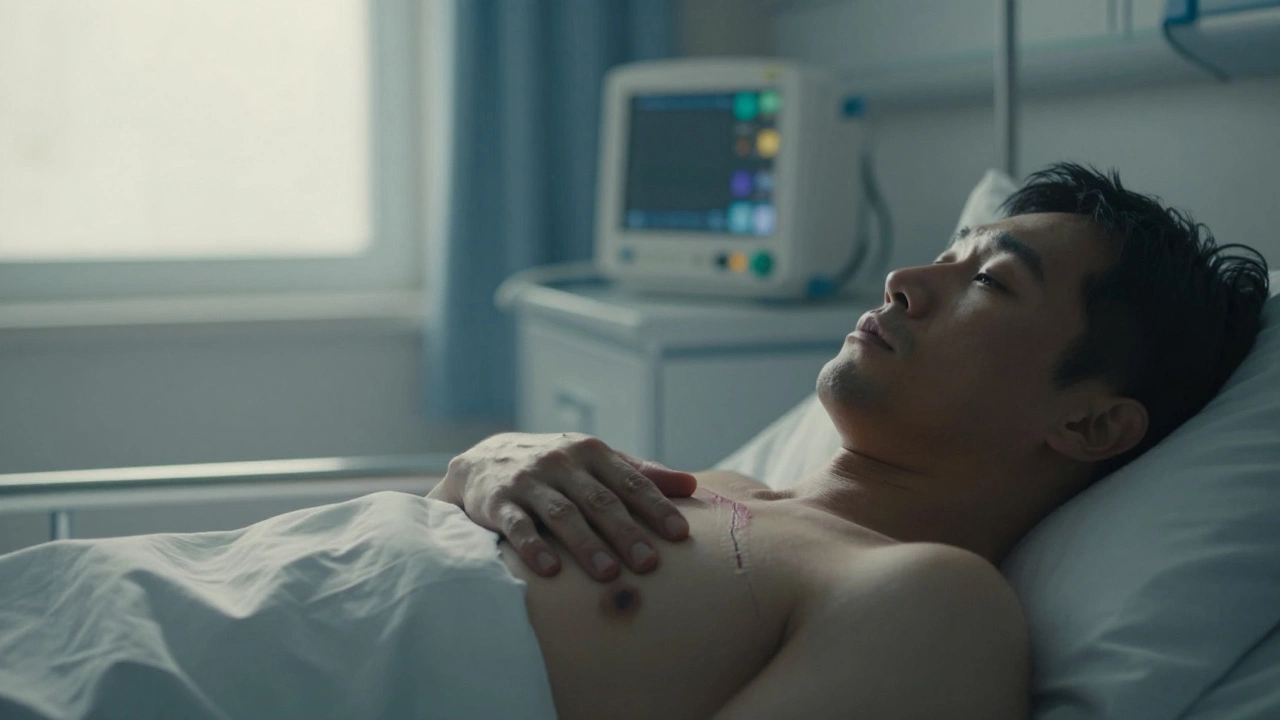
It is a question that keeps many patients awake at night. You are lying in a hospital bed, tubes connected to your chest, staring at the ceiling, wondering if the person who used to hike mountains or play with their grandchildren will ever exist again. The short answer is yes, but the longer answer is more nuanced. You will be the same person, but your body’s operating system has been rebooted. The hardware is repaired, but the software-your energy levels, your emotional resilience, and your daily routines-needs an update.
Open-heart surgery is not a magic switch that turns off pain and turns on vitality instantly. It is a major physiological event. Whether you had a coronary artery bypass graft (CABG), a valve replacement, or another procedure, your sternum was split, your heart was stopped, and your blood was oxygenated by a machine. This trauma demands respect. Understanding what "being the same" actually looks like requires looking past the fear and into the biology of healing.
The Physical Reality: Your Body Under Construction
Let’s talk about the mechanics first. When surgeons perform open-heart surgery, they cut through the sternum (breastbone) to access the heart. This bone needs to knit back together, which takes time. Unlike a broken arm where you can cast it and forget it, your sternum moves every time you breathe, cough, or shift in bed. This creates a unique recovery challenge.
In the first few weeks, you will feel fragile. Lifting anything heavier than a cup of tea might feel impossible. This is normal. The sternum typically takes six to eight weeks to heal sufficiently for normal activities. However, full internal healing of the tissues around the heart and lungs can take three to six months. During this period, you are not "disabled," but you are under construction. Trying to rush this process is the number one reason people set themselves back. If you try to lift groceries two weeks post-op, you risk sternal dehiscence, where the bone edges separate. That is a complication no one wants.
Beyond the bone, there is the issue of stamina. Before surgery, your heart may have been struggling to pump efficiently, leading to chronic fatigue even before you went under the knife. After surgery, your heart is working better, but your muscles have deconditioned during the hospital stay and early recovery. You will likely experience profound tiredness. This isn’t laziness; it’s your body diverting all available energy to repair tissue. Expect to nap frequently for the first month. This is part of the job.
The Emotional Rollercoaster: Why You Might Feel Different
Many patients expect the relief of having a fixed heart to bring immediate joy. Instead, they often hit a wall of anxiety or depression. This is surprisingly common and has several causes. First, there is the psychological impact of surviving a near-death experience. Second, anesthesia and surgical stress hormones can disrupt neurotransmitters in the brain. Third, the loss of independence during recovery can trigger feelings of helplessness.
You might find yourself crying over small things, feeling irritable with family members, or experiencing panic attacks when your heart rate spikes slightly. This does not mean something is wrong with your heart; it means your mind is processing a massive life event. Studies suggest that up to 30% of cardiac patients experience some form of post-operative mood disturbance. Acknowledging this helps. You are not going crazy. You are grieving the loss of your "old" health while waiting for your "new" health to arrive. Therapy or support groups can be incredibly valuable here. Talking to someone who has walked this path can normalize your feelings.
Cardiac Rehabilitation: The Bridge Back to Normal
If there is one thing that separates those who thrive after surgery from those who struggle, it is usually cardiac rehabilitation. Often shortened to "cardiac rehab," this is a medically supervised program designed to restore physical, emotional, and social well-being. It is not just exercise; it is education and monitoring.
Cardiac rehab typically starts four to six weeks after surgery, once your sternum has healed enough to handle movement. You will work with physiotherapists who guide you through low-impact exercises like walking on a treadmill or using stationary bikes. The key is gradual progression. You start with maybe 10 minutes and build up over weeks. This controlled environment allows doctors to monitor your heart rhythm and blood pressure in real-time, catching any issues early.
But the benefits go beyond muscle strength. Cardiac rehab teaches you how to listen to your body. You learn the difference between "good pain" (muscle soreness) and "bad pain" (angina or sternal instability). You learn nutrition strategies to keep your arteries clear. Most importantly, it rebuilds your confidence. There is a specific moment in rehab when you realize you’ve walked further today than you did last week. That spark of hope is fuel for the long road ahead.
| Timeframe | Physical Status | Emotional/Social Status | Key Activities Allowed |
|---|---|---|---|
| Weeks 1-2 | High pain, significant fatigue, sternal precautions critical | Anxiety, confusion, dependence on others | Short walks around the house, deep breathing exercises |
| Weeks 3-6 | Pain decreases, energy fluctuates, sternum still healing | Frustration with slow progress, mood swings | Driving (if off strong painkillers), light household tasks |
| Months 2-3 | Sternum mostly healed, stamina improving | Adjusting to new normal, potential depression | Start cardiac rehab, return to sedentary work |
| Months 4-6 | Near-normal strength, scar fading | Renewed sense of purpose, gratitude | Return to most jobs, moderate exercise, sexual activity |
| Months 6-12 | Full physical recovery, optimized heart function | Stable emotional state, proactive health management | Heavy lifting, vigorous sports, travel |

Diet and Lifestyle: The New Operating System
Being the "same" also means accepting that you cannot live the exact same lifestyle as before if that lifestyle contributed to your heart disease. Open-heart surgery fixes the plumbing, but it doesn’t fix the habits that clogged the pipes. If you return to a diet high in saturated fats, sodium, and sugar, you are setting yourself up for failure. Your new heart deserves better.
This doesn’t mean you must eat rabbit food forever. It means shifting your focus. Think Mediterranean-style eating: plenty of vegetables, fruits, whole grains, lean proteins like fish and chicken, and healthy fats like olive oil and nuts. Reduce processed foods. Watch your salt intake, especially if you have high blood pressure or heart failure. These changes protect your grafts and native vessels from re-narrowing.
Alcohol and smoking are other big factors. If you smoke, quitting is non-negotiable. Smoking constricts blood vessels and damages the lining of your arteries, directly counteracting the benefits of surgery. Even secondhand smoke is harmful. Alcohol should be consumed in moderation, if at all, as it can interact with medications and raise blood pressure. Making these changes feels restrictive at first, but most patients report that they taste food better and feel lighter within a few months.
Medications: The Long-Term Partnership
You will likely leave the hospital with a handful of pills. Aspirin, statins, beta-blockers, ACE inhibitors-these are your new best friends. They are not optional extras; they are essential maintenance for your repaired heart. Statins lower cholesterol and stabilize plaque. Beta-blockers reduce the workload on your heart. Antiplatelets prevent clots in your new grafts.
A common mistake is stopping medication because you "feel fine." Feeling fine is exactly why you need them. Heart disease is often silent until it strikes. Consistency is key. Set reminders, use pill organizers, and never skip doses without consulting your cardiologist. Regular blood tests will monitor how these drugs affect your liver and muscles, ensuring they remain safe and effective.

Returning to Work and Relationships
When can you go back to work? It depends on the job. If you work at a desk, you might return in six to eight weeks. If your job involves heavy lifting or physical labor, you may need three to six months. Be honest with your employer about your limitations. Many countries offer protected leave for medical recovery, so use it. Pushing back too soon can lead to burnout or injury.
Relationships also shift. Your partner or family members have likely taken on caregiver roles, which can create tension. Communication is vital. Let them know what you need, but also give them space to return to their own lives. Intimacy is another concern. Sexual activity is generally safe once you can climb two flights of stairs without breathlessness or chest pain. For most, this happens around two to three months post-op. If you have concerns, ask your doctor. There is no shame in seeking advice on this topic.
Red Flags: Knowing When to Call for Help
While recovery is largely positive, you must stay vigilant. Some symptoms require immediate medical attention. Chest pain that feels like pressure or squeezing, especially if it radiates to your jaw or arm, could signal a heart attack. Shortness of breath that worsens rather than improves, rapid weight gain (more than 2 pounds in a day or 5 pounds in a week), fever over 101°F (38.3°C), or redness/drainage from your incision site are all warning signs. Do not ignore them. Better to be safe and have it checked out than to assume it’s "just part of recovery."
Scarring is another aspect of being different. You will have a vertical scar down your chest. It may look angry and red for the first year, but it will fade. Some people choose silicone sheets or massage to improve its appearance. Remember, that scar is a badge of survival. It marks the line between life and death, and you chose life.
Finding Your New Normal
So, will you be the same? In many ways, yes. You will still love the same people, enjoy the same hobbies, and hold the same values. But you will also be wiser. You will appreciate small victories-a walk in the park, a deep breath, a good night’s sleep. You will be more disciplined about your health, not out of fear, but out of respect for the second chance you’ve been given.
Recovery is not linear. There will be good days and bad days. Some weeks you’ll feel like a superhero; others you’ll wonder if you’ll ever get your old energy back. Trust the process. Stick to your rehab plan, eat well, take your meds, and be kind to yourself. The person you become after open-heart surgery is not less than who you were before. They are stronger, more resilient, and deeply alive.
How long does it take to fully recover from open-heart surgery?
Full recovery typically takes six to twelve months. While initial healing of the sternum occurs in six to eight weeks, regaining full stamina and strength requires consistent effort through cardiac rehabilitation. Most patients feel significantly better by three months, but subtle improvements continue for up to a year.
Can I drive after open-heart surgery?
Generally, you can resume driving once you are off strong pain medications and can react quickly in an emergency, usually around four to six weeks post-op. However, laws vary by location, so check local regulations and consult your surgeon. Ensure you can comfortably reach the pedals and steer without pain.
Is it normal to feel depressed after heart surgery?
Yes, it is quite common. Up to 30% of patients experience mood changes, including depression or anxiety, due to the physical stress of surgery, hormonal shifts, and the psychological impact of the event. If feelings of sadness persist for more than two weeks or interfere with daily life, seek professional mental health support.
What exercises are safe during the first month?
During the first month, focus on gentle walking around the house and deep breathing exercises to prevent lung complications. Avoid lifting anything heavier than 5-10 pounds, pushing, or pulling. Always follow your surgeon's specific sternal precautions to protect your healing breastbone.
Do I need to change my diet permanently?
Yes, permanent dietary changes are crucial to prevent future heart problems. Adopt a heart-healthy diet rich in fruits, vegetables, whole grains, and lean proteins while limiting saturated fats, sodium, and processed sugars. This supports your new heart function and protects your grafts from blockages.