Why Is Therapy So Expensive? The Real Costs Behind Mental Health Care
 Feb, 10 2026
Therapy Cost Calculator
Estimate Your Therapy Costs
Calculate approximate costs for private therapy sessions based on your location and needs.
Key Cost Factors
Understanding why therapy costs what it does:
- Training costs: 6-8 years university + £50,000+ debt
- No benefits: No sick pay, holiday pay, or pension
- Insurance & supervision costs: £500+ annually
- Location matters: London costs 40% more than regional areas
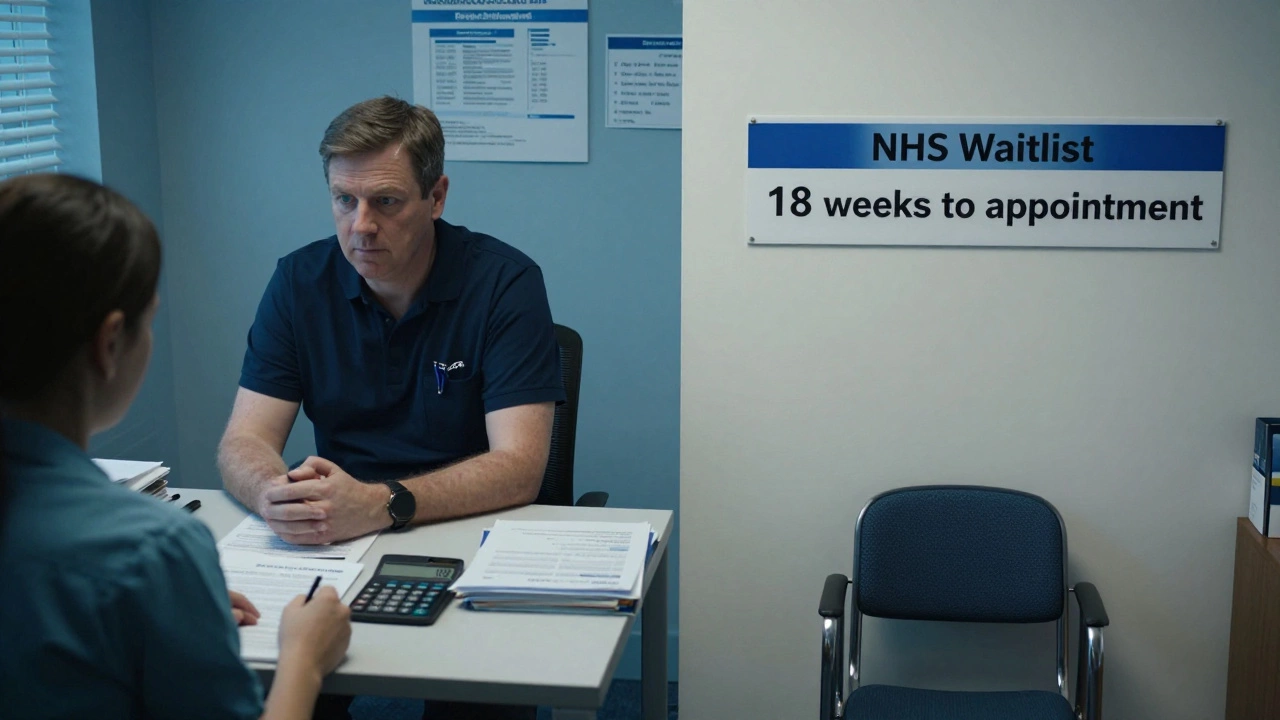
- NHS wait times: 18+ weeks for appointments
Your Estimated Costs
Based on your selections, therapy would cost approximately £0 for 0 sessions.
Cost Breakdown
Per session: £0
Total: £0
Note: These are estimates. Actual costs may vary based on therapist qualifications and experience.
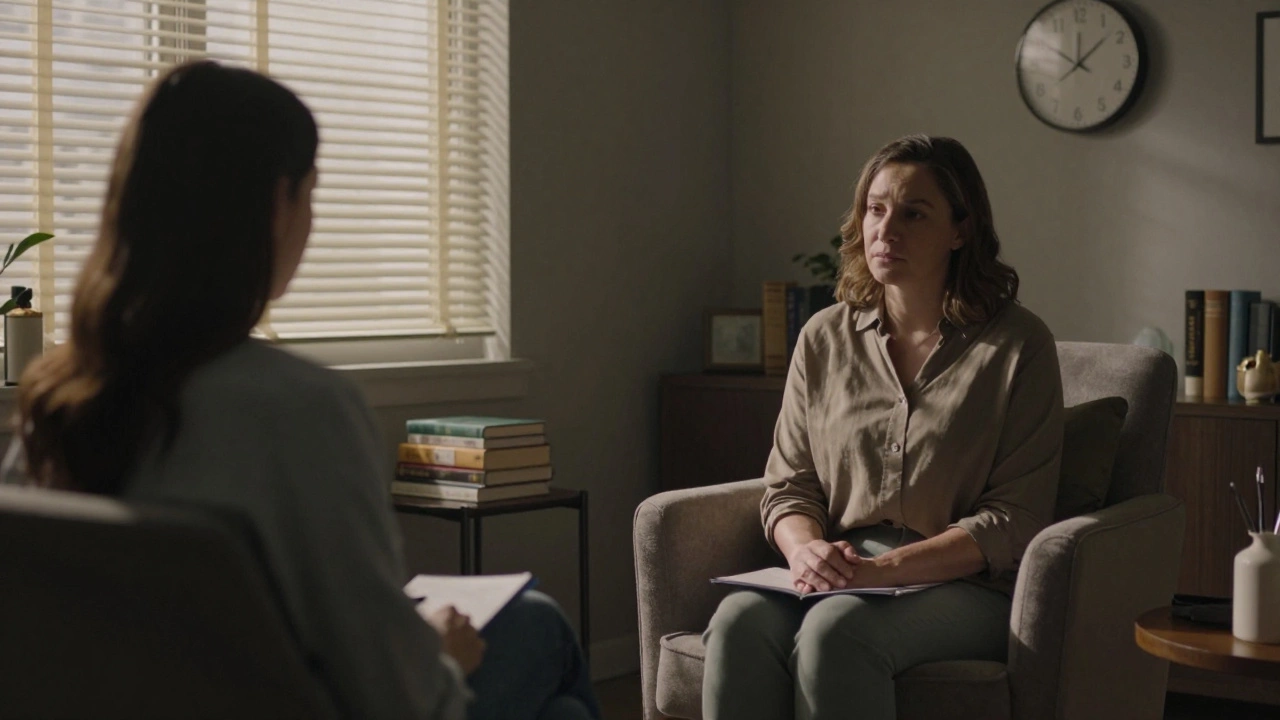
Have you ever looked at a therapy bill and wondered how a one-hour chat could cost £80, £120, or even more? You’re not alone. In the UK, private therapy sessions often sit between £60 and £150 per hour, and that’s before you even factor in weekly sessions over months or years. For many, this isn’t just expensive-it feels impossible. So why does therapy cost so much? It’s not because therapists are overcharging. It’s because the system itself is built on hidden costs, structural gaps, and outdated assumptions about mental health care.
Therapists Aren’t Paid Like Doctors-But They Work Like Them
Think about a GP. You see them for 10 minutes, and they charge £25. They’re covered by the NHS, so you pay nothing out of pocket. But a private therapist? They might spend the same 10 minutes listening, then another 30 minutes writing notes, reviewing your history, planning next steps, and dealing with admin. That’s 40 minutes of unpaid work for every hour of therapy.
Therapists don’t get paid for that. They don’t get reimbursed for supervision, training, or insurance. They’re self-employed contractors. No sick pay. No holiday pay. No pension contributions from clients. If they take a day off, they lose income. If they get sick, they lose income. If they need to go to a mandatory training course? That’s £500 out of their own pocket.
Most therapists hold master’s degrees or doctorates. That’s 6-8 years of university, often with £50,000+ in student debt. Compare that to a plumber or electrician-skilled tradespeople who earn £40-£60/hour without needing a degree. Therapists earn less, work longer hours behind the scenes, and carry more emotional weight.
The NHS Waitlist Isn’t Just Long-It’s Broken
People often say, “Why pay when the NHS offers free therapy?” But here’s the reality: the average wait for an NHS psychological therapy appointment (IAPT) in Birmingham is now over 18 weeks. In some areas, it’s closer to 6 months. And even when you get in, you’re limited to 6-12 sessions. If you’re dealing with complex trauma, depression, or anxiety that’s lasted years? Twelve sessions won’t cut it.
Therapy isn’t a quick fix. It’s a process. You need time to build trust. To unpack patterns. To rewire thinking. That takes consistency. And consistency costs money.
Meanwhile, NHS therapists are overloaded. One therapist might manage 30-40 clients at once. That’s not sustainable. It’s not healing. It’s triage. So people who can afford it turn to private care-not because they want to, but because the public system can’t meet their needs.
Insurance Doesn’t Cover What You Think It Does
Some employers offer private health insurance. Sounds great, right? But most policies only cover a few sessions-usually 6 to 8. And they often limit you to a list of approved providers who may not specialize in what you need. Want to see a trauma specialist? A CBT therapist who works with LGBTQ+ clients? A therapist who speaks your native language? Too bad. Your insurance won’t let you.
Even when insurance does pay, it often comes with strings attached. Therapists have to submit detailed clinical notes. They have to justify every session. They have to follow rigid protocols. That’s more paperwork. More time. More stress. And it doesn’t change what you pay out of pocket.
Plus, many self-employed people, freelancers, gig workers, and students don’t have employer-sponsored insurance at all. They’re left with the full price tag.
Location, Location, Location
Therapy costs vary wildly depending on where you live. In central London, £120/hour is common. In Birmingham, it’s closer to £70-£90. In rural areas? You might have to drive 40 miles to find someone. That’s petrol, time, and maybe even a day off work.
Therapists in high-cost areas have to charge more just to cover rent, utilities, and local taxes. A therapist in a Birmingham city centre office pays £1,500/month for a small room. That’s £375/week just to keep the lights on. If they see 15 clients a week at £80 each, that’s £1,200 in income. After tax, overheads, and professional fees, they’re left with maybe £400. That’s not a living wage. That’s barely surviving.
And if they work from home? They still pay for secure storage, encrypted software, website hosting, and confidentiality compliance. GDPR isn’t optional. It’s expensive.
Therapy Is Unregulated in Name Only
You might think any “therapist” can hang out a shingle. That’s not true. To be registered with the British Psychological Society (BPS) or UK Council for Psychotherapy (UKCP), you need years of training, supervised practice, and ongoing professional development. These organisations set ethical standards. They require continuing education. They hold therapists accountable.
But anyone can call themselves a “life coach,” “counsellor,” or “healing practitioner” without any qualifications. And many do. That’s why you see prices ranging from £20 to £150. The £20 option? Might be someone with a weekend certificate. The £150 option? Likely a registered clinical psychologist with 10+ years of experience.
When you pay more, you’re not paying for a luxury. You’re paying for safety. For accountability. For evidence-based practice. For someone who’s been trained to handle crises, not just give advice.

Why Doesn’t the Government Fix This?
Therapy is cheaper than hospitalisation. It’s cheaper than long-term disability payments. It’s cheaper than emergency room visits for mental health crises. Studies show every £1 invested in mental health care returns £4 in reduced healthcare costs and increased productivity.
Yet mental health funding still makes up less than 8% of the NHS budget-despite mental illness affecting 1 in 4 people each year. The UK government spends more on gym memberships than on psychological services for children.
There’s no shortage of data. There’s a shortage of political will.
What Can You Do If You Can’t Afford Therapy?
You’re not stuck. Here are real, working options:
- NHS IAPT: Even with long waits, it’s free. Book early. Keep checking for cancellations.
- Charities: Mind, Relate, and The Samaritans offer free or low-cost support. Some provide sliding-scale therapy.
- University Clinics: Training clinics run by psychology departments often charge £20-£40/hour. Therapists are supervised students.
- Online Platforms: BetterHelp and Open Path offer reduced rates for low-income users. Not perfect, but better than nothing.
- Group Therapy: It’s cheaper, often £15-£30 per session, and still effective for many issues.
- Self-Help Tools: Apps like Woebot or MoodKit aren’t replacements-but they can bridge gaps while you wait.
Therapy doesn’t have to be all or nothing. You can mix and match. Start with a charity. Add a monthly private session. Use an app daily. Progress isn’t linear. Healing isn’t a race.
The Bigger Picture
The real question isn’t “Why is therapy expensive?” It’s “Why do we treat mental health like a luxury?”
We don’t ask why an MRI costs £500 or why a broken leg needs surgery. We accept those as medical necessities. But when someone needs to talk through panic attacks, grief, or childhood trauma? Suddenly it’s optional. A “nice-to-have.” A privilege.
Therapy is healthcare. Not a spa day. Not a lifestyle upgrade. Not a status symbol.
It’s time we stop acting like mental health is a side issue. It’s the foundation of everything else: work, relationships, parenting, physical health. When we underfund it, we don’t save money. We just shift the cost-to families, to employers, to emergency services, to society.
Until therapy is treated like any other medical service-with fair pay, accessible care, and proper funding-we’ll keep asking the same question. And the answer won’t change.