Which Mental Illnesses Are Not Curable? Understanding Chronic Conditions and Management
 May, 5 2026
Chronic Mental Health Management Planner
Select the condition you or a loved one are managing to view specific treatment pathways and lifestyle recommendations.
Characterized by disruptions in thought processes, perceptions, and emotional responsiveness.
Causes extreme mood swings including emotional highs (mania) and lows (depression).
A developmental disability affecting perception and interaction with others.
Recurring unwanted thoughts (obsessions) and repetitive behaviors (compulsions).
Intense fear, flashbacks, and avoidance following trauma.
Prognosis Note
...
It’s a question that keeps many people up at night: which mental illnesses are not curable? If you’ve been diagnosed with a long-term condition, or if you’re supporting someone who has, the word “chronic” can feel like a life sentence. It suggests that no matter how hard you try, the illness will never truly leave.
But here is the truth that often gets lost in the anxiety of diagnosis: for most mental health conditions, there is no single pill that erases them forever. However, that doesn’t mean they aren’t manageable. In fact, many conditions considered “incurable” can be controlled so effectively that symptoms become rare, mild, or entirely absent for long periods. The goal shifts from “cure” to “recovery”-a state where you live a full, meaningful life despite the presence of a medical condition.
The Difference Between Cure and Management
To understand why certain conditions are labeled as incurable, we need to look at how medicine defines these terms. A cure implies that the underlying cause is removed, and the disease never returns. Think of it like an infection: take antibiotics, kill the bacteria, and you’re done. Mental illnesses, however, usually involve complex interactions between genetics, brain chemistry, environment, and life experiences. You can’t simply “remove” your genetic predisposition or rewrite your entire neural history.
Instead, we use the term management. This means using tools-therapy, medication, lifestyle changes-to keep the condition in check. Just like diabetes or hypertension, which have no cure but allow people to live long, healthy lives with proper care, mental health conditions require ongoing attention. The distinction is crucial because it changes the mindset from fighting for a finish line that doesn’t exist to building a sustainable daily routine that supports well-being.
Schizophrenia: A Complex Neurodevelopmental Disorder
Schizophrenia is a serious mental disorder characterized by disruptions in thought processes, perceptions, emotional responsiveness, and social interactions. It is one of the most commonly cited examples of a condition without a cure. Schizophrenia typically emerges in late adolescence or early adulthood and involves symptoms like hallucinations, delusions, and disorganized thinking.
Why isn’t it curable? Because it’s neurodevelopmental. It involves structural and functional differences in the brain that develop over time. While antipsychotic medications can significantly reduce positive symptoms (like hearing voices), they don’t reverse the underlying neurological changes. For many, stopping medication leads to relapse. However, with consistent treatment, including cognitive behavioral therapy (CBT) and social support, many individuals achieve remission. They may still carry the diagnosis, but they can work, maintain relationships, and lead independent lives.
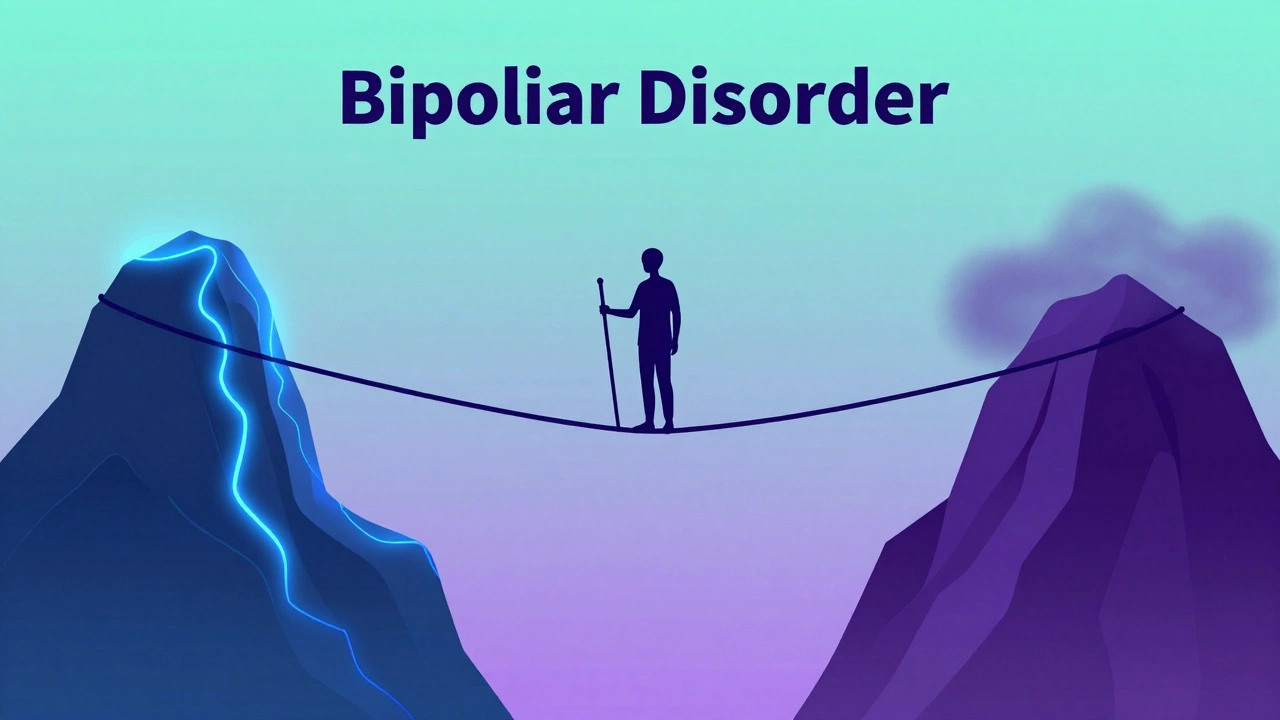
Bipolar Disorder: Managing the Peaks and Valleys
Bipolar Disorder is a mental health condition that causes extreme mood swings that include emotional highs (mania or hypomania) and lows (depression). Unlike unipolar depression, which might have episodes that resolve completely, bipolar disorder is generally considered lifelong.
The challenge with bipolar disorder lies in its cyclical nature. Without intervention, the cycles of mania and depression can become more frequent and severe over time. Mood stabilizers like lithium, along with antidepressants and anticonvulsants, are standard treatments. These medications help flatten the extremes, allowing for a more stable baseline. Psychotherapy, particularly psychoeducation and family-focused therapy, helps patients recognize early warning signs of mood shifts. While you can’t “cure” the tendency toward mood instability, you can learn to navigate it with precision, preventing hospitalizations and improving quality of life dramatically.
Autism Spectrum Disorder: A Neurotype, Not a Disease
Autism Spectrum Disorder (ASD) is a developmental disability caused by differences in the brain that affect how people perceive the world and interact with others. It’s important to clarify that ASD is not a mental illness in the traditional sense; it’s a neurodevelopmental difference. Therefore, asking if it’s “curable” is somewhat misleading. Many autistic advocates argue against the idea of a cure altogether, viewing autism as a different way of being rather than a defect to be fixed.
Support for autism focuses on skill-building and accommodation. Behavioral therapies, speech therapy, and occupational therapy help individuals develop communication skills, manage sensory sensitivities, and navigate social situations. As autistic individuals age, their needs change. Some may require significant support throughout their lives, while others become highly independent. The focus is on acceptance and adaptation, both from the individual and society, rather than elimination of the condition.
OCD and PTSD: Treatable but Persistent
Obsessive-Compulsive Disorder (OCD) is an anxiety disorder characterized by recurring, unwanted thoughts (obsessions) and repetitive behaviors (compulsions). Similarly, Post-Traumatic Stress Disorder (PTSD) involves intense fear, flashbacks, and avoidance behaviors following trauma. Both are often described as chronic, yet they respond exceptionally well to specific treatments.
For OCD, Exposure and Response Prevention (ERP) therapy is the gold standard. It involves gradually exposing the patient to their fears without performing the compulsive ritual. Over time, the anxiety diminishes. Medications like SSRIs also play a key role. While the intrusive thoughts may never fully disappear, their power to control behavior can be broken. PTSD follows a similar path with trauma-focused therapies like EMDR (Eye Movement Desensitization and Reprocessing). Many people achieve complete symptom resolution, but the potential for triggers remains, requiring ongoing self-awareness and coping strategies.

Comparing Chronic Mental Health Conditions
| Condition | Nature | Primary Treatment | Prognosis with Treatment |
|---|---|---|---|
| Schizophrenia | Neurodevelopmental | Antipsychotics, CBT | Manageable; remission possible |
| Bipolar Disorder | Mood Disorder | Mood Stabilizers, Therapy | Stable baseline achievable |
| Autism Spectrum Disorder | Neurodivergence | Behavioral Therapy, Support | Lifelong; focus on adaptation |
| OCD | Anxiety Disorder | ERP Therapy, SSRIs | Highly treatable; symptoms reducible |
| PTSD | Trauma-Related | EMDR, Trauma-Focused CBT | Resolution possible; vigilance needed |
Living Well with Chronic Conditions
If you’re dealing with one of these conditions, the lack of a “cure” shouldn’t define your future. Recovery is personal. For some, it means zero symptoms. For others, it means living with mild symptoms that don’t interfere with daily life. Key factors in successful management include:
- Consistency: Taking medication and attending therapy regularly, even when you feel fine.
- Lifestyle Foundations: Prioritizing sleep, nutrition, and exercise, which stabilize brain chemistry.
- Support Systems: Engaging with family, friends, or support groups to reduce isolation.
- Self-Awareness: Learning to identify early warning signs of relapse or stress.
Remember, the absence of a cure is not a failure of medicine or a reflection of your strength. It’s simply a reality of how our brains work. With the right tools and mindset, you can build a life that is rich, productive, and fulfilling, regardless of your diagnosis.
Are any mental illnesses curable?
Some mental health conditions, such as adjustment disorders or brief psychotic disorders, may resolve completely once the triggering stressor is removed. However, major chronic conditions like schizophrenia, bipolar disorder, and autism are generally managed rather than cured. Even conditions like depression and anxiety, which can go into remission, often have a risk of recurrence, requiring ongoing maintenance strategies.
What does "remission" mean in mental health?
Remission refers to a period where symptoms of a mental illness are significantly reduced or absent. It doesn't mean the underlying condition is gone, but the person is functioning well and experiencing minimal distress. Remission can last for months, years, or even decades, depending on the individual and their treatment plan.
Can lifestyle changes replace medication for chronic mental illnesses?
Lifestyle changes like exercise, sleep hygiene, and diet are powerful adjuncts to treatment and can improve outcomes significantly. However, for conditions like schizophrenia or bipolar disorder, medication is usually essential to regulate brain chemistry. Stopping medication without medical supervision can lead to severe relapse. Always consult your psychiatrist before making changes to your treatment plan.
Is autism considered a mental illness?
No, autism spectrum disorder (ASD) is classified as a neurodevelopmental condition, not a mental illness. It involves differences in brain development that affect social interaction, communication, and behavior. While it can co-occur with mental health issues like anxiety or depression, autism itself is a lifelong neurotype that is managed through support and accommodation rather than medical cure.
How do I know if my treatment plan is working?
A working treatment plan allows you to function in daily life, maintain relationships, and pursue goals. You should experience fewer crises, better emotional regulation, and improved quality of life. Regular check-ins with your healthcare provider, tracking symptoms, and assessing your overall well-being are key indicators. If you're struggling consistently, it may be time to adjust your approach.