Which Country Is #1 in Quality Healthcare? Global Rankings Explained
 Aug, 7 2026
Medical Tourism Destination Finder
Find Your Ideal Medical Destination
There is no single answer to the question of which country has the best healthcare. If you look at the World Health Organization, or WHO, their last major ranking was from 2000 and placed France at number one. But that data is over two decades old. In 2026, we have much more granular data. The answer depends entirely on what you value most: speed of access, survival rates for cancer, cost efficiency, or patient satisfaction.
If you are planning medical tourismtraveling abroad for medical treatment, knowing which country leads in specific metrics can save you thousands of dollars and potentially your life. This article breaks down the top contenders based on current data from the Commonwealth Fund, the OECD, and global hospital accreditation bodies.
The Current Leaders in Healthcare Quality
When experts discuss "quality," they usually refer to three pillars: outcomes (do people get better?), process (is care safe and timely?), and equity (does everyone get it?). Based on these criteria, a few countries consistently dominate the conversation in 2026.
Switzerland often tops modern lists for clinical outcomes and technology. Their hospitals are equipped with the latest AI-driven diagnostics and robotic surgery tools. However, the cost is astronomical. Switzerland spends nearly 12% of its GDP on health, making it one of the most expensive systems globally.
France remains the gold standard for patient experience and accessibility. French patients see specialists quickly without long waitlists, and out-of-pocket costs are low. The system is funded by social security contributions, ensuring broad coverage. For medical tourists seeking cosmetic surgery or complex orthopedic procedures, France offers high-end facilities with European cultural comfort.
Germany excels in engineering precision applied to medicine. German hospitals hold the highest number of JCI (Joint Commission International) accreditations in Europe. They are particularly strong in cardiac surgery and trauma care. If you need a heart valve replacement or joint reconstruction, Germany’s blend of advanced technology and rigorous safety protocols makes it a top choice.
Understanding the Metrics: How We Rank Healthcare
To determine who is truly "number one," we must look at specific indices. Different organizations measure different things.
- The Commonwealth Fund: Focuses on high-income countries. It ranks systems based on efficiency, equity, and health outcomes. In recent years, the Netherlands and Denmark have frequently topped this list due to their primary care strength.
- OECD Health Statistics: Looks at broader metrics like life expectancy, preventable mortality, and bed availability. Japan often leads here due to exceptional longevity and low obesity rates.
- U.S. News & World Report Best Hospitals Worldwide: Ranks individual hospitals rather than national systems. Countries like Singapore and Thailand appear frequently because their private hospitals cater specifically to international patients.
No single metric tells the whole story. A country might have excellent cancer survival rates but terrible mental health support. For medical tourists, the relevant metric is usually the quality of specialized care combined with service standards.
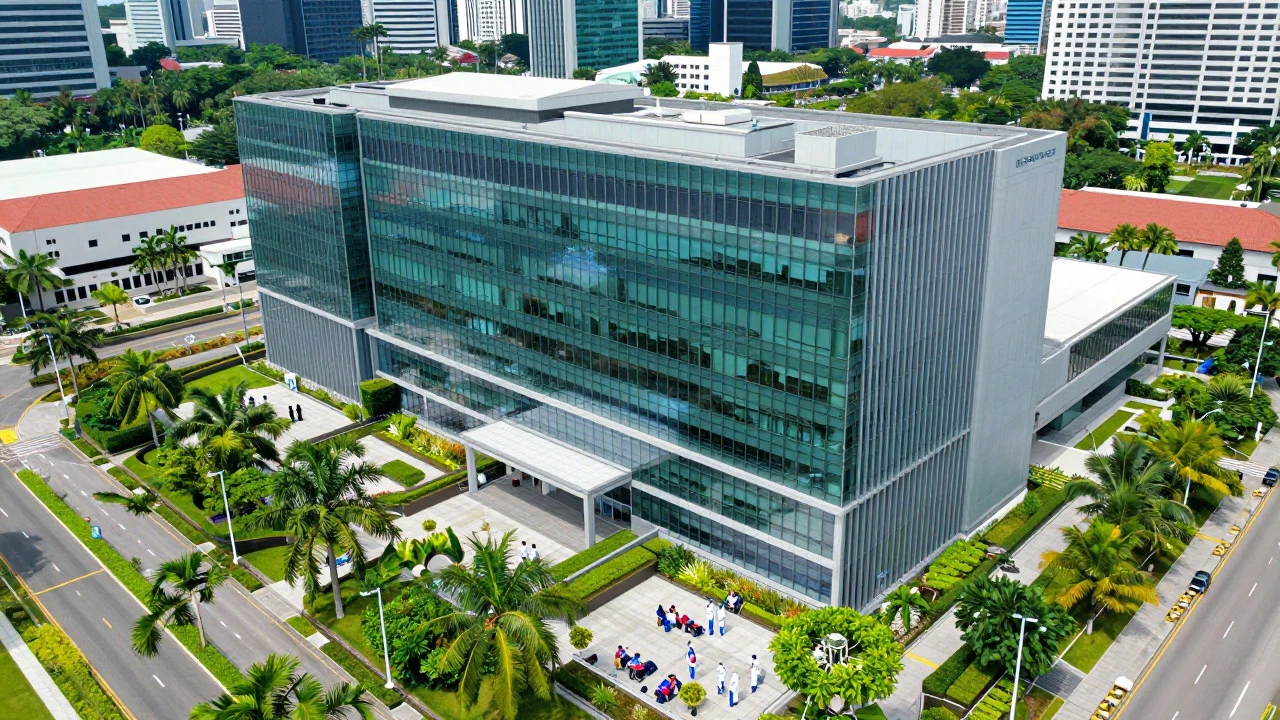
Top Destinations for Medical Tourism in 2026
For those traveling abroad, "best" means a combination of quality, cost, and convenience. Here are the leading destinations for specific treatments.
| Country | Specialty Strengths | Cost vs. US | Key Advantage |
|---|---|---|---|
| Thailand | Cosmetic Surgery, Orthopedics | 60-70% lower | Hospitality and English proficiency |
| Singapore | Oncology, Cardiology | 40-50% lower | World-class infrastructure and safety |
| India | Cardiac Surgery, Transplants | 80-90% lower | Highly skilled surgeons at low cost |
| Turkey | Hair Transplants, Dental | 70-80% lower | All-inclusive packages |
| Mexico | Dental, Bariatric Surgery | 50-60% lower | Proximity to North America |
Thailand has built a reputation as the "Medical Tourism Capital of Asia." Hospitals like Bumrungrad International and Bangkok Hospital are JCI-accredited and offer seamless experiences for foreigners. You can get a knee replacement for $15,000 compared to $50,000+ in the US, with hotel-like accommodations.
Singapore competes on prestige. It is not the cheapest option, but it is arguably the safest and most technologically advanced in Asia. Its public-private partnership model ensures that even premium care meets strict government standards. For complex oncology cases, Singaporean centers collaborate directly with institutions in London and New York.
India offers the best value for high-complexity surgeries. Cities like Mumbai, Delhi, and Chennai have doctors trained in the UK and US returning home to practice. The cost advantage is massive, but patients must be diligent in choosing accredited hospitals to avoid variability in aftercare.
Why the United States Isn't #1 Despite High Spending
This is a common point of confusion. The US spends more per capita on healthcare than any other nation-over $13,000 per person annually. Yet, it rarely tops global quality rankings. Why?
The issue is not clinical excellence; American doctors and researchers are world leaders. The problem is access and administrative burden. The fragmented insurance system creates delays in care. Preventable deaths from conditions like hypertension and diabetes are higher in the US than in peer nations. Additionally, the cost of prescription drugs is significantly higher, affecting patient compliance and outcomes.
However, for cutting-edge experimental treatments or rare diseases, the US still holds an edge. Access to clinical trials and specialized centers like Mayo Clinic or Johns Hopkins remains unmatched. If you have a rare condition and money is no object, the US may still be your best bet.

Factors to Consider When Choosing a Destination
If you are considering traveling for care, do not just look at the country's general ranking. Evaluate these specific factors:
- Accreditation: Ensure the hospital is accredited by JCI or a recognized national body. This guarantees baseline safety standards.
- Surgeon Credentials: Verify the doctor’s board certification and experience with your specific procedure. Ask for their complication rates.
- Aftercare Support: Who handles your recovery once you fly home? Does the hospital provide telemedicine follow-ups? Poor aftercare is a leading cause of complications in medical tourism.
- Language Barriers: Can you communicate clearly with your care team? Miscommunication during surgery consent or post-op instructions can be dangerous.
- Travel Logistics: Are you fit to fly immediately after surgery? Deep vein thrombosis (blood clots) is a risk for long-haul flights post-operation.
The Future of Global Healthcare Rankings
By 2026, the definition of quality is shifting. Artificial intelligence is playing a bigger role in diagnostics. Countries that integrate AI into their public health systems early will likely jump in rankings. South Korea and Estonia are already leaders in digital health records and remote monitoring.
Additionally, sustainability is becoming a factor. Green hospitals that reduce carbon footprints while maintaining high care standards are gaining recognition. As climate change affects health outcomes, countries with resilient health infrastructures will be viewed more favorably.
Ultimately, there is no universal "#1." If you prioritize low cost and hospitality, Thailand wins. If you want precision and safety, Germany or Singapore is ideal. If you need rapid access and comprehensive coverage, France or the Netherlands leads. Understanding your own priorities is the first step to finding the right healthcare destination.
Is healthcare free in the top-ranked countries?
Most top-ranked countries like France, Germany, and the UK have publicly funded systems, but "free" is misleading. Citizens pay through taxes or mandatory insurance contributions. Visitors and medical tourists typically pay out-of-pocket or use private insurance, though costs are often lower than in the US.
Which country has the lowest healthcare costs?
Among developed nations, Spain and Portugal offer relatively low costs for high-quality care. Among emerging medical tourism hubs, India and Turkey provide the lowest prices for complex surgeries, often costing less than 10% of US prices.
Are foreign medical degrees recognized globally?
Not automatically. Many doctors in top medical tourism destinations like India, Thailand, and Mexico train in Western countries (US, UK, Australia). Look for physicians with board certifications from these regions to ensure international recognition of their expertise.
What is the safest country for medical tourism?
Singapore and Germany are widely considered the safest due to strict regulatory environments, high hygiene standards, and robust legal protections for patients. Their hospitals undergo frequent audits by international accrediting bodies.
Does travel insurance cover medical tourism?
Standard travel insurance often excludes elective procedures sought abroad. You need specialized medical tourism insurance or a direct guarantee from the hospital provider. Always check if your policy covers complications arising from the specific treatment you traveled for.