What Vitamins Are Hard on the Kidneys? A Guide to Safe Supplementation
 Aug, 11 2026
Kidney Supplement Risk Checker
Check Your Current Habits
Select items from the list to see potential kidney risks.
Risk Analysis
Recommendation
Loading...
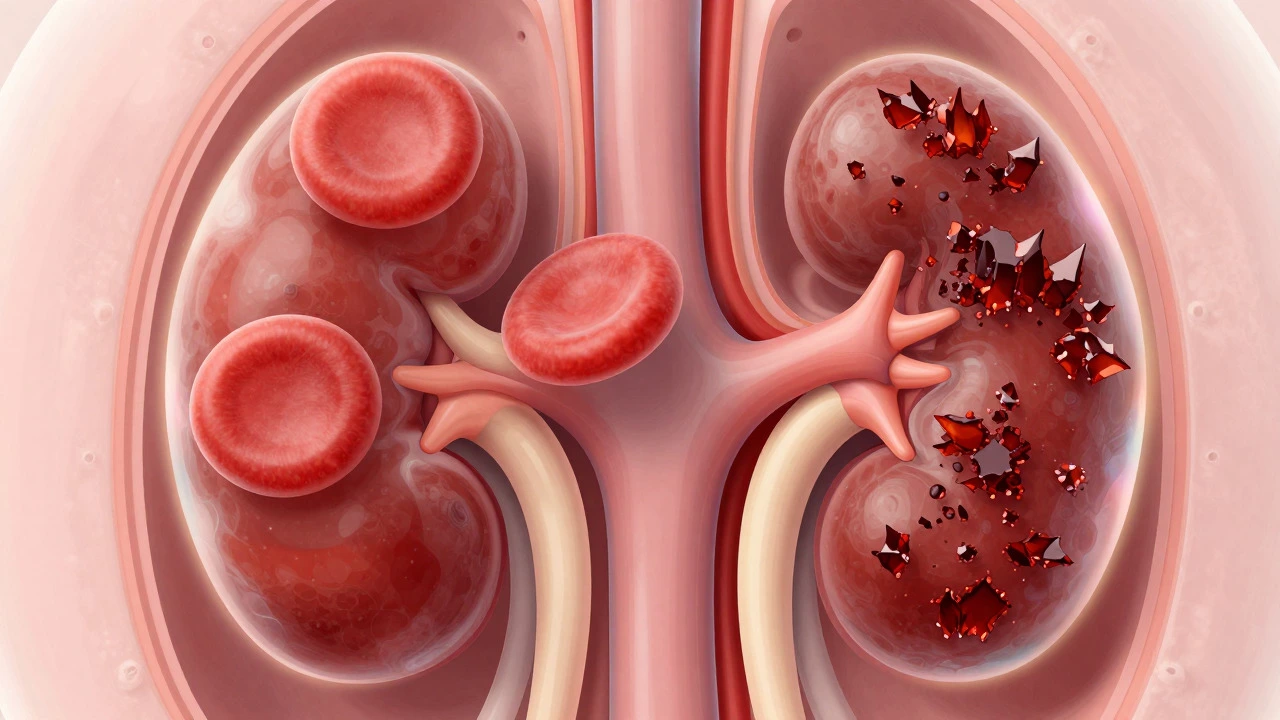
You might be popping vitamins every morning thinking you’re doing your body a favor. For most people, they are. But if you have chronic kidney disease (CKD) or even just reduced kidney function, that daily pill could be quietly causing damage. The kidneys act as your body’s filtration system, removing waste from the blood. When they struggle, certain nutrients can build up to toxic levels.
It is not just about prescription drugs. Many common dietary supplements, including vitamins and herbs, pose significant risks. Understanding which ones to avoid is crucial for protecting your long-term health. This guide breaks down exactly which supplements are hard on the kidneys and why.
The Risk of Fat-Soluble Vitamins
Not all vitamins behave the same way in your body. Water-soluble vitamins, like Vitamin C and B-complex, generally leave your system through urine if you take too much. Fat-soluble vitamins, however, store themselves in your liver and fatty tissues. They stay there until your body uses them. If you keep loading them in faster than you use them, they accumulate.
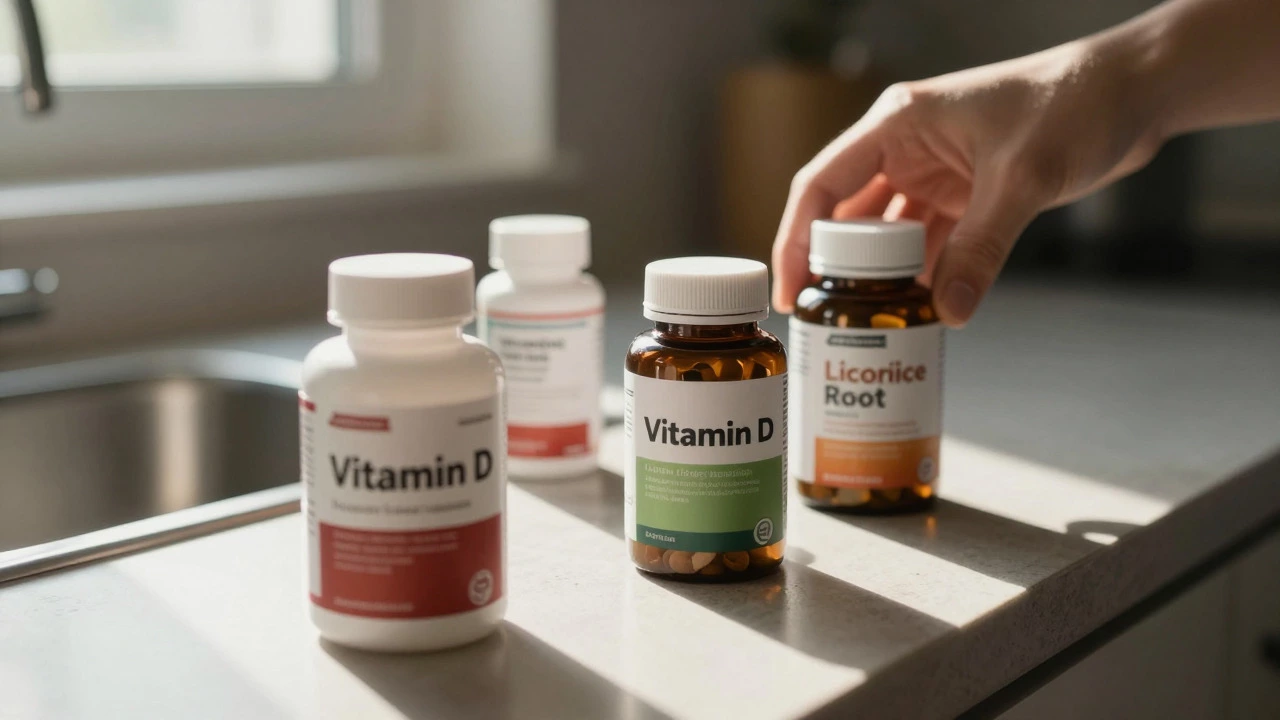
Vitamin D is the biggest concern here. While essential for bone health, high doses can lead to hypercalcemia, which means too much calcium in your blood. Your kidneys try to filter this excess calcium out. Over time, this causes calcification within the kidney tissue itself, leading to scarring and further loss of function. People with early-stage CKD often need their Vitamin D levels monitored closely because their bodies process it differently.
Vitamin A is another fat-soluble vitamin that requires caution. High intake of preformed Vitamin A (retinol) has been linked to increased urinary calcium excretion. This increases the risk of kidney stones. If you already have small stones or sludge in your kidneys, high-dose Vitamin A supplements can accelerate stone growth, potentially blocking urine flow and causing acute injury.
Why Herbal Supplements Are Tricky
Many people assume that "natural" means safe. In the world of kidney health, this assumption can be dangerous. Herbal supplements are not regulated as strictly as pharmaceutical drugs. Their potency varies wildly between brands, and they often contain compounds that are directly toxic to kidney cells.
One notorious example is Aristolochic acid. Found in plants like Aristolochia clematitis, this compound was historically used in traditional Chinese medicine and some European herbal remedies. It causes a condition known as Aristolochic Acid Nephropathy (AAN), which leads to rapid and irreversible kidney failure. Even trace amounts found in contaminated supplements of other herbs (like goldenseal or uva ursi) can cause harm over time.
Another common herb, Licorice root, is often used for digestive issues or adrenal support. However, it contains glycyrrhizic acid, which mimics aldosterone, a hormone that regulates salt and water balance. Excessive licorice consumption causes your body to retain sodium and lose potassium. Low potassium (hypokalemia) weakens muscles and strains the heart, while the fluid retention raises blood pressure-a major enemy of kidney health.
| Supplement | Primary Risk | Who Should Avoid |
|---|---|---|
| Vitamin D (High Dose) | Kidney calcification, Hypercalcemia | People with CKD Stage 3+ |
| Vitamin A (Retinol) | Kidney stones, Increased calcium excretion | History of kidney stones |
| Licorice Root | Hypertension, Potassium depletion | Hypertensive patients, CKD patients |
| Aristolochia-containing herbs | Ireversible kidney failure (AAN) | Everyone (unless prescribed) |
| Creatine | Elevated creatinine levels (confuses tests) | Those monitoring eGFR closely |
| Potassium-rich herbs | Hyperkalemia (dangerous heart rhythms) | Advanced CKD patients |
The Hidden Danger of Potassium and Phosphorus
As kidney function declines, the organs lose their ability to filter out minerals like Potassium and Phosphorus. Healthy kidneys handle these easily. Diseased kidneys do not.
Many multivitamins and specific herbal blends contain added potassium. For someone with advanced CKD, this extra load can push potassium levels into a dangerous range called hyperkalemia. High potassium doesn't always show symptoms until it causes irregular heartbeats or cardiac arrest. Similarly, phosphorus binders are often prescribed to CKD patients because high phosphorus pulls calcium from bones, making them brittle. Taking supplements with hidden phosphorus loads undermines this treatment.
Even seemingly benign things like Green tea extract supplements can be problematic. While drinking green tea is generally fine, concentrated extracts often contain high levels of oxalates. Oxalates bind with calcium to form kidney stones. If you are prone to calcium-oxalate stones, chugging green tea extract pills is like pouring fuel on the fire.
How NSAIDs and Supplements Interact
You might not think of painkillers as vitamins, but many people combine non-steroidal anti-inflammatory drugs (NSAIDs) with supplements for joint pain or inflammation. This combination is particularly harsh on the kidneys. NSAIDs reduce blood flow to the kidneys by constricting the arteries that feed them. If you add a supplement that requires heavy filtration or alters electrolyte balance, you create a perfect storm for acute kidney injury.
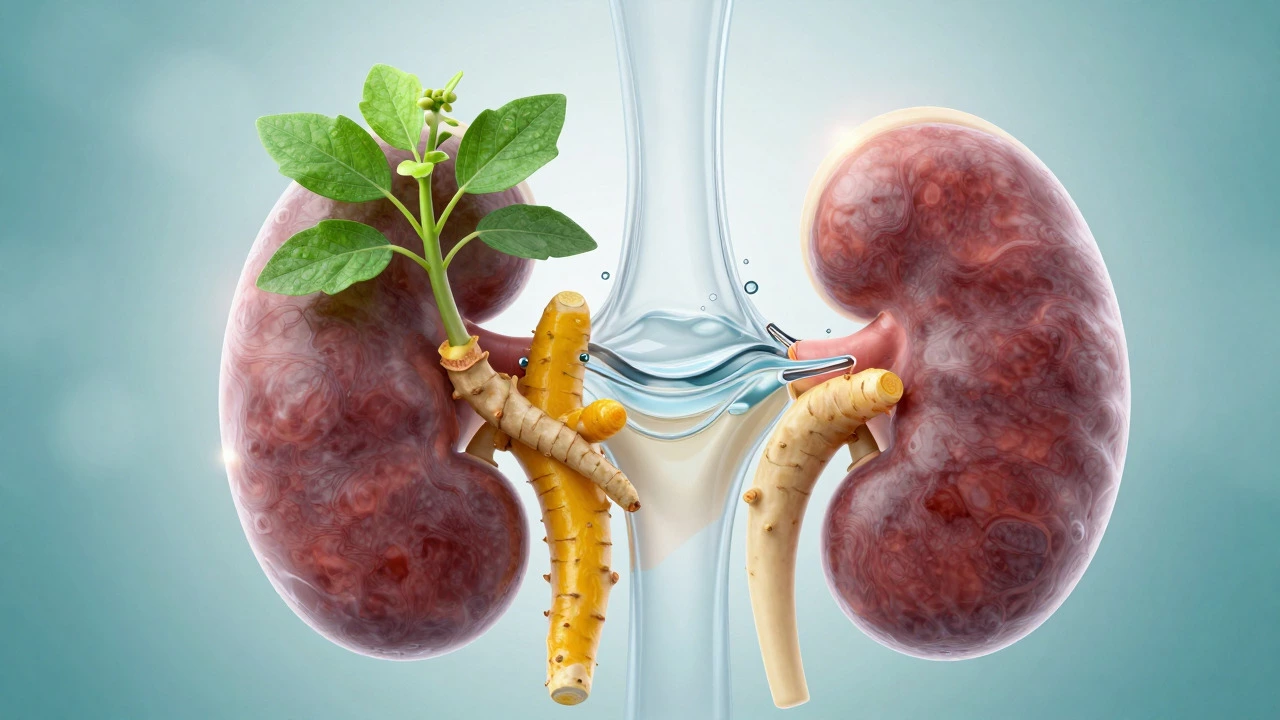
For instance, taking turmeric or ginger supplements for inflammation alongside ibuprofen can amplify the stress on renal tissue. Turmeric contains curcumin, which is generally safe, but in high medicinal doses, it can affect platelet aggregation and interact with medications metabolized by the liver, indirectly affecting how toxins are cleared from the kidneys.
Signs Your Kidneys Are Under Stress
Kidney damage is often silent in its early stages. You might not feel pain. However, there are subtle signs that your filtration system is struggling:
- Foamy or bubbly urine, which indicates protein leakage (proteinuria).
- Swelling in the ankles, feet, or around the eyes due to fluid retention.
- Persistent fatigue, caused by a buildup of toxins and anemia.
- Nausea or a metallic taste in the mouth.
- Changes in urination frequency, either going too often or too little.
If you notice these symptoms after starting a new supplement regimen, stop immediately and consult your doctor. Blood tests measuring serum creatinine and estimating glomerular filtration rate (eGFR) will tell you exactly how well your kidneys are working.
Safer Alternatives and Best Practices
This does not mean you should avoid all supplements. Some, like Omega-3 fatty acids, may actually protect kidney health by reducing inflammation. The key is moderation and medical supervision.
Always choose food sources over pills when possible. Getting Vitamin D from sunlight and fatty fish is safer than megadoses of supplements. Eating vegetables provides potassium in a matrix that is easier for healthy kidneys to manage, though those with advanced CKD still need to watch portions.
Before buying any herbal product, check for third-party testing seals like USP or NSF International. These organizations test for contaminants like heavy metals and aristolochic acid. Never buy herbs from unverified online sellers or street vendors. Finally, bring every bottle you take to your annual physical. Your doctor needs to see the full picture to calculate drug interactions accurately.
Can too much Vitamin C hurt my kidneys?
Yes, high doses of Vitamin C (ascorbic acid) can increase oxalate production in the body. Oxalate combines with calcium to form kidney stones. If you are prone to stones, limit Vitamin C supplements to under 500mg per day unless advised otherwise by your doctor.
Are protein powders bad for kidneys?
For healthy individuals, moderate protein intake is safe. However, for those with existing chronic kidney disease, excessive protein forces the kidneys to work harder to filter out nitrogenous waste. This can accelerate kidney decline. Consult a nephrologist before adding high-protein shakes to your diet.
Which herbs are safest for kidney health?
Some herbs like astragalus and cordyceps have shown potential benefits in studies for supporting kidney function, but evidence is mixed. Generally, mild culinary herbs like parsley and cilantro are safe. Always avoid complex herbal blends marketed for "detox" as they often contain unknown diuretics or laxatives that strain the kidneys.
Does caffeine affect kidney function?
Moderate caffeine consumption (1-2 cups of coffee) is generally considered safe and may even have protective effects against chronic kidney disease. However, excessive caffeine can raise blood pressure temporarily, which is a risk factor for kidney damage. Stick to moderate amounts.
How do I know if I have chronic kidney disease?
CKD is often asymptomatic in early stages. Diagnosis typically involves blood tests (serum creatinine, eGFR) and urine tests (albumin-to-creatinine ratio). Risk factors include diabetes, high blood pressure, family history, and being over age 60. Regular screening is vital if you have these risk factors.