What Should Vata Avoid? A Complete Guide to Balancing Your Dosha
 Jun, 23 2026
Vata Lifestyle Balance Calculator
Dietary Advice
Routine Advice
Environment Advice
Movement Advice
Mental Health Advice
Do you ever feel like your energy is scattered? Maybe you’re buzzing with anxiety one minute and exhausted the next. If you identify as having a dominant Vata constitution in Ayurveda, this erratic rhythm is likely familiar. Vata is the air and ether element within us. It governs movement, breath, and creativity. But when it gets out of balance, that same creative spark turns into chaos, insomnia, and digestive trouble.
The key to feeling grounded isn't just adding good habits; it's strictly removing the triggers that aggravate your system. Knowing exactly what to avoid is often more powerful than knowing what to do. Let’s look at the specific foods, behaviors, and environmental factors that spike Vata and how to eliminate them from your daily routine.
Foods That Aggravate Vata: The Dry and Cold Trap
In Ayurveda, like increases like. Since Vata is dry, cold, light, and rough, consuming foods with these qualities will throw your system off balance instantly. You might be eating "healthy" salads or raw veggies, but for a Vata type, these are actually inflammatory triggers.
Avoid raw vegetables whenever possible. Raw kale, broccoli, and cauliflower are heavy on fiber but extremely difficult for a Vata digestion to break down. They create gas and bloating because they are cold and hard. Instead, think of food as medicine that needs to be cooked into submission. Steamed carrots, roasted squash, and sautéed spinach are far better choices. The heat from cooking transforms the food, making it warm and moist-qualities that pacify Vata.
Raw fruits can also be problematic, especially if eaten alone. Bananas and berries are cooling and drying. If you crave fruit, choose ripe, sweet options like mangoes, peaches, or dates. Even better, stew them with a pinch of cinnamon or cardamom. This adds warmth and aids absorption.
| Food Category | Avoid (Aggravates Vata) | Embrace (Pacifies Vata) |
|---|---|---|
| Grains | Millet, corn, popcorn, old grains | Rice, oats, quinoa, well-cooked wheat |
| Vegetables | Raw salads, cabbage, onions, garlic (raw) | Cooked root veggies, asparagus, zucchini |
| Fruits | Dried fruits (unless soaked), unripe bananas | Avocado, coconut, ripe melons, cherries |
| Proteins | Processed meats, jerky, very lean chicken | Fish, eggs, lentils (well-spiced), tofu |
| Beverages | Iced water, black coffee, excessive tea | Warm milk, herbal teas, room-temp water |
Spices matter too. Avoid bitter and astringent tastes found in foods like kale, black beans, and pomegranates. These drain moisture from your body. Stick to sweet, sour, and salty flavors. Ghee (clarified butter) is your best friend here. It lubricates the joints and soothes the nervous system. A teaspoon of ghee in every meal helps ground the airy nature of Vata.
Lifestyle Habits That Drain Your Energy
Your schedule is just as important as your diet. Vata types thrive on routine. When you jump from task to task without structure, your mind becomes restless. Irregular sleep patterns are perhaps the biggest enemy of Vata health. Going to bed at 10 PM one night and 2 AM the next creates immediate instability.
Overexertion is another common pitfall. Because Vata people are often driven and energetic bursts, they tend to push until they crash. This "boom and bust" cycle damages your adrenal glands and depletes your Ojas (vital essence). Learn to recognize the signs of fatigue before they hit. Stop working when you are still slightly energized, not when you are completely drained.
Socializing can also be draining. Large crowds, loud parties, and chaotic environments overstimulate the senses. While social connection is healthy, excessive exposure to noise and unpredictability spikes cortisol levels. Protect your energy by scheduling quiet time after social events. A simple walk in nature or sitting in silence can help reset your nervous system.
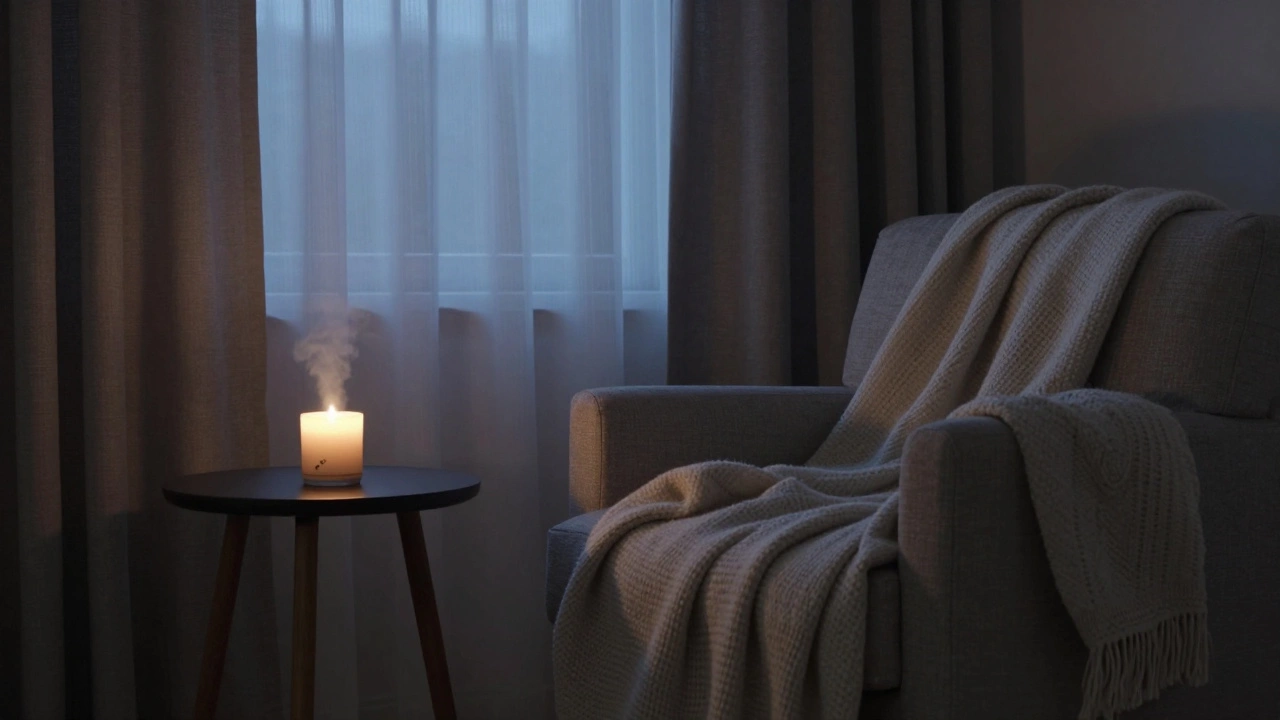
Environmental Triggers: Cold, Wind, and Noise
Where you live and work impacts your dosha significantly. Vata is aggravated by cold, windy, and dry weather. If you live in a place with harsh winters or strong winds, you need to adapt your environment. Keep your home warm. Use humidifiers if the air is dry. Wear layers to protect against drafts.
Noise pollution is a major stressor for Vata. Constant ringing phones, traffic noise, or even loud music can keep your mind in a state of alertness. Try to create a sanctuary in your home where it is quiet. Use earplugs if necessary during sleep. Soft, rhythmic sounds like rain or gentle instrumental music are soothing, whereas erratic beats are stimulating.
Lighting matters too. Harsh fluorescent lights can be jarring. Opt for warm, dimmable lighting in the evenings. This signals to your brain that it is time to wind down. Blue light from screens disrupts melatonin production, which is already fragile in Vata types. Limit screen time at least an hour before bed.
Mental Patterns to Release
Vata imbalance shows up mentally as fear, anxiety, and worry. You might find yourself ruminating on past mistakes or worrying about future uncertainties. This mental chatter prevents deep rest. To counter this, practice mindfulness techniques that anchor you in the present moment.
Judgmental thinking is another trap. Vata minds can be critical and perfectionistic. Accepting imperfection is crucial for peace. Remind yourself that progress is more important than perfection. Journaling can help dump these thoughts onto paper so they don’t circulate in your head all night.
Decision fatigue is real for Vata. With so many options available, choosing what to eat, wear, or do can become overwhelming. Simplify your choices. Plan your meals for the week ahead. Lay out your clothes the night before. Reducing decision points conserves mental energy for things that truly matter.

Physical Practices to Ground Yourself
Exercise should be moderate and grounding. High-intensity interval training (HIIT) or vigorous running can overstimulate Vata. Instead, focus on yoga, swimming, or walking. Yoga poses that involve forward folds and inversion are particularly beneficial. Child’s pose and legs-up-the-wall pose calm the nervous system immediately.
Oil massage, known as Abhyanga, is a cornerstone of Vata care. Massaging your body with warm sesame oil before showering lubricates the skin, calms the nerves, and improves circulation. Focus on your feet and scalp, as these areas absorb oil quickly and provide a sense of stability. Do this daily if possible, especially in the morning.
Breathwork, or Pranayama, is essential. Avoid rapid breathing exercises. Instead, practice Nadi Shodhana (alternate nostril breathing) or Bhramari (bee breath). These techniques balance the left and right hemispheres of the brain and induce a state of calm. Just five minutes a day can make a significant difference in your anxiety levels.
Seasonal Adjustments for Year-Round Balance
Vata season typically occurs in late autumn and early winter. During these months, the weather becomes colder and drier, naturally increasing Vata in everyone. If you are a Vata type, this period requires extra care. Increase your intake of warm, oily foods. Spend less time outdoors in the wind. Prioritize sleep and relaxation.
In contrast, spring and summer are Kapha seasons, which are heavier and slower. This can be a relief for Vata types, but it’s important not to swing too far into lethargy. Maintain your routine even when the weather is pleasant. Consistency is key to keeping Vata balanced year-round.
Summer heat can sometimes aggravate Pitta, but for Vata, the main risk is dehydration. Drink plenty of warm water throughout the day. Avoid iced drinks, even in hot weather, as they shock the digestive fire. Herbal teas made from chamomile, lavender, or rose are excellent for hydration and calming the mind.
Can Vata types drink coffee?
Coffee is generally aggravating for Vata because it is drying, stimulating, and irregular. It can increase anxiety and disrupt sleep. If you must have it, limit it to one small cup in the morning, mixed with warm milk and a pinch of cardamom to reduce its harsh effects. However, switching to rooibos tea or golden milk is a much better long-term strategy.
Is fasting good for Vata?
Long fasts are usually not recommended for Vata types. Fasting increases the light and dry qualities of Vata, leading to weakness, dizziness, and increased anxiety. If you want to give your digestive system a rest, opt for a short juice fast with warm, sweet vegetable juices or simply eat lighter, easily digestible meals like congee for a day.
What is the best bedtime for Vata?
Ideally, Vata types should be asleep by 9:30 or 10:00 PM. After 10 PM, Vata energy begins to rise again, making it harder to fall asleep and stay asleep. Establishing a consistent bedtime routine that includes winding down activities like reading or gentle stretching helps signal to your body that it is time to rest.
How does stress affect Vata?
Stress directly aggravates Vata, causing symptoms like insomnia, constipation, and joint pain. Since Vata governs the nervous system, chronic stress keeps the mind in a state of hyperactivity. Managing stress through routine, meditation, and adequate sleep is non-negotiable for maintaining Vata balance.
Can I exercise vigorously if I am Vata?
Vigorous exercise can deplete Vata energy and lead to burnout. It is better to choose moderate, rhythmic activities like yoga, swimming, or brisk walking. If you enjoy high-intensity workouts, ensure you follow up with ample rest, nourishing food, and oil massage to replenish your tissues.