What Medications Can Online Doctors Prescribe? A Complete Guide
 Sep, 25 2026
Telemedicine Prescription Eligibility Checker
Not sure if your medication or condition is suitable for an online consultation? Select a category below to see typical eligibility status.
Result
*This tool provides general information based on standard telemedicine practices. Policies vary by provider and region. Always consult with a licensed healthcare professional for medical advice.
You’ve probably had that moment: you’re lying in bed at 2 AM, throat sore, fever spiking, and the last thing you want to do is drive to a clinic or wait on hold for hours. You open an app, chat with a doctor, and within minutes, you have a plan. But then the question hits you-what medications can online doctors prescribe? Is it just antibiotics for your strep throat, or can they handle more complex issues like anxiety meds or blood pressure pills?
The landscape of healthcare has shifted dramatically. Telemedicine isn't just a convenience feature anymore; it's a primary care channel for millions. However, not every drug is available via a video call. There are strict rules about safety, control levels, and diagnostic requirements. If you're looking to skip the waiting room, you need to know exactly what’s on the menu and what’s off-limits.
The Short Answer: What’s Typically Available
Most online doctors can prescribe a wide range of non-controlled substances used for common acute and chronic conditions. Think of this as the "standard toolkit" for general practice. If your condition doesn’t require physical examination tools (like a stethoscope for heart murmurs or palpation for abdominal pain) and doesn’t carry a high risk of addiction or abuse, it’s likely eligible.
Here is a quick breakdown of the most common categories you can expect to get approved:
- Infections: Antibiotics for urinary tract infections (UTIs), sinusitis, bronchitis, and skin infections.
- Allergies & Respiratory: Antihistamines, inhalers for mild asthma, and nasal sprays.
- Mental Health: SSRIs and SNRIs for depression and anxiety (often requiring prior history).
- Chronic Conditions: Statins for cholesterol, ACE inhibitors for hypertension, and Metformin for Type 2 diabetes.
- Dermatology: Topical creams for acne, eczema, psoriasis, and fungal infections.
- Men’s & Women’s Health: Erectile dysfunction meds, birth control pills, and UTI prevention.
The Green Light: Common Prescriptions
Let’s look closer at why these specific drugs are safe bets for remote consultation. The core principle here is risk assessment. For a simple UTI, a doctor can rely on your symptom description and perhaps a home urine test kit sent by mail. They don’t need to touch you to diagnose it. Therefore, prescribing Ciprofloxacin or Nitrofurantoin is straightforward.
| Condition Category | Example Medications | Why It Works Online |
|---|---|---|
| Acute Infections | Amoxicillin, Azithromycin, Fluconazole | Symptoms are distinct; no complex diagnostics needed. |
| Mental Health | Sertraline, Escitalopram, Bupropion | Treatment often continues existing plans; low abuse potential. |
| Hair Loss | Finasteride, Minoxidil | Visual diagnosis possible via photo/video; long-term stability. |
| Weight Management | Orlistat, Liraglutide | Lifestyle factors discussed remotely; monitoring via app data. |
Mental health support is a massive growth area. While controlled substances like benzodiazepines are tricky, antidepressants are frequently prescribed. Many platforms allow you to renew a prescription for Sertraline if you’ve been stable on it for months. This continuity of care is huge for people who struggle with taking time off work for monthly check-ups.
The Red Zone: What You Can’t Get Online
Now, let’s talk about the deal-breakers. Just because a doctor is licensed doesn’t mean they can write any script. Two main factors block prescriptions: controlled substance regulations and diagnostic limitations.
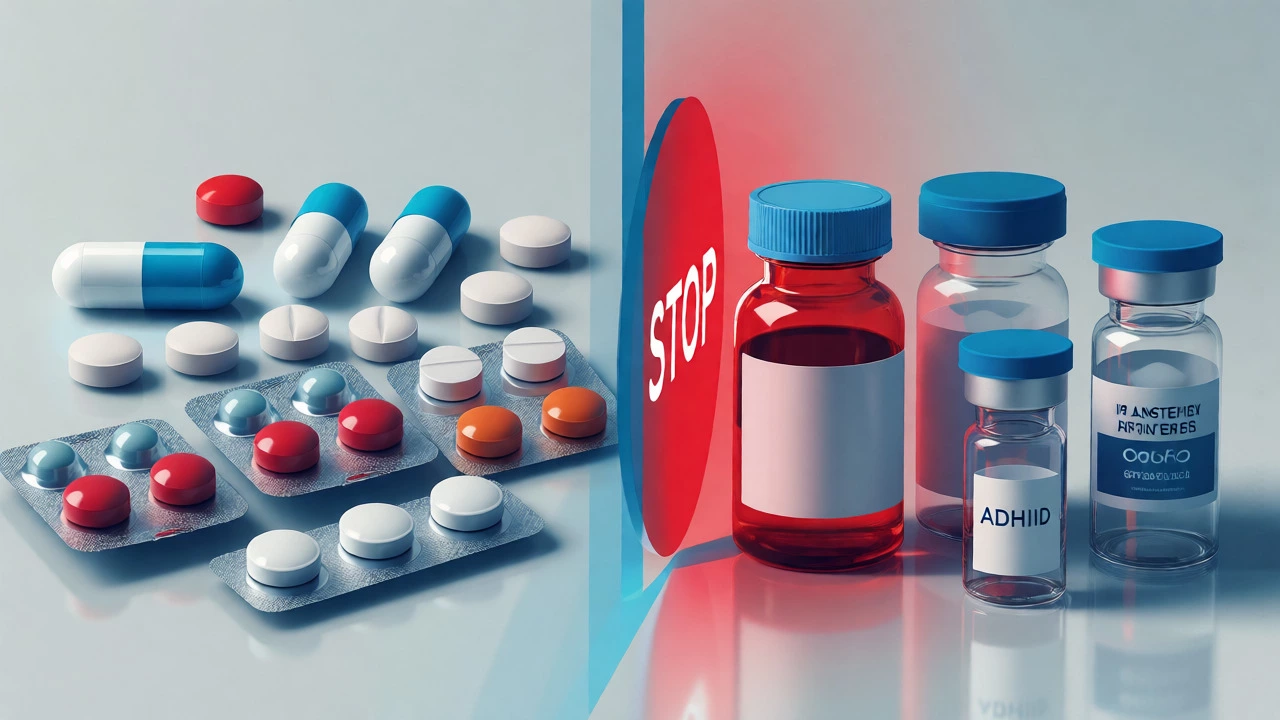
In the UK and many other regions, Schedule 2 and Schedule 3 controlled drugs (like opioids for severe pain or certain stimulants for ADHD) face stricter scrutiny. While laws have relaxed slightly post-pandemic, many online services still refuse to initiate treatment with strong opioids like Oxycodone or Morphine without an in-person exam. Why? Because the risk of dependency is high, and physical signs of misuse are hard to spot over Zoom.
Additionally, some conditions simply cannot be diagnosed remotely. If you complain of chest pain, an online doctor will almost always send you to the ER rather than prescribe aspirin and send you home. They need an ECG and blood tests. Similarly, if you need insulin adjustments for Type 1 Diabetes, you usually need lab results that an online portal might not accept immediately unless integrated with your local GP records.
Controlled Substances and Special Rules
This is where things get nuanced. Not all controlled drugs are banned. Some lower-risk controlled substances, like certain sleep aids or mild sedatives, might be available depending on the platform and your medical history. However, stimulants such as Adderall or Ritalin for ADHD are often restricted. Some providers will only refill them if you have a documented history from another physician. Initiating new stimulant therapy online is rare because it requires careful titration and monitoring of side effects like increased heart rate and blood pressure.
If you are already on a medication like Tramadol for chronic back pain, you might find it easier to get a renewal than a new start. Always check the specific provider’s policy. Some specialize in mental health and handle psychotropics better; others focus on dermatology and won’t touch anything else.
How the Process Actually Works
So, how do you actually get that pill bottle delivered? It’s rarely as simple as typing "give me antibiotics" into a chat box. Here is the typical workflow:
- Intake Questionnaire: You fill out a detailed form about your symptoms, allergies, current meds, and medical history. Be honest. Missing info leads to rejected requests.
- Consultation: You speak with a clinician via text, phone, or video. They ask follow-up questions to rule out emergencies.
- Decision: The doctor decides if they can safely prescribe. If yes, they sign the electronic prescription.
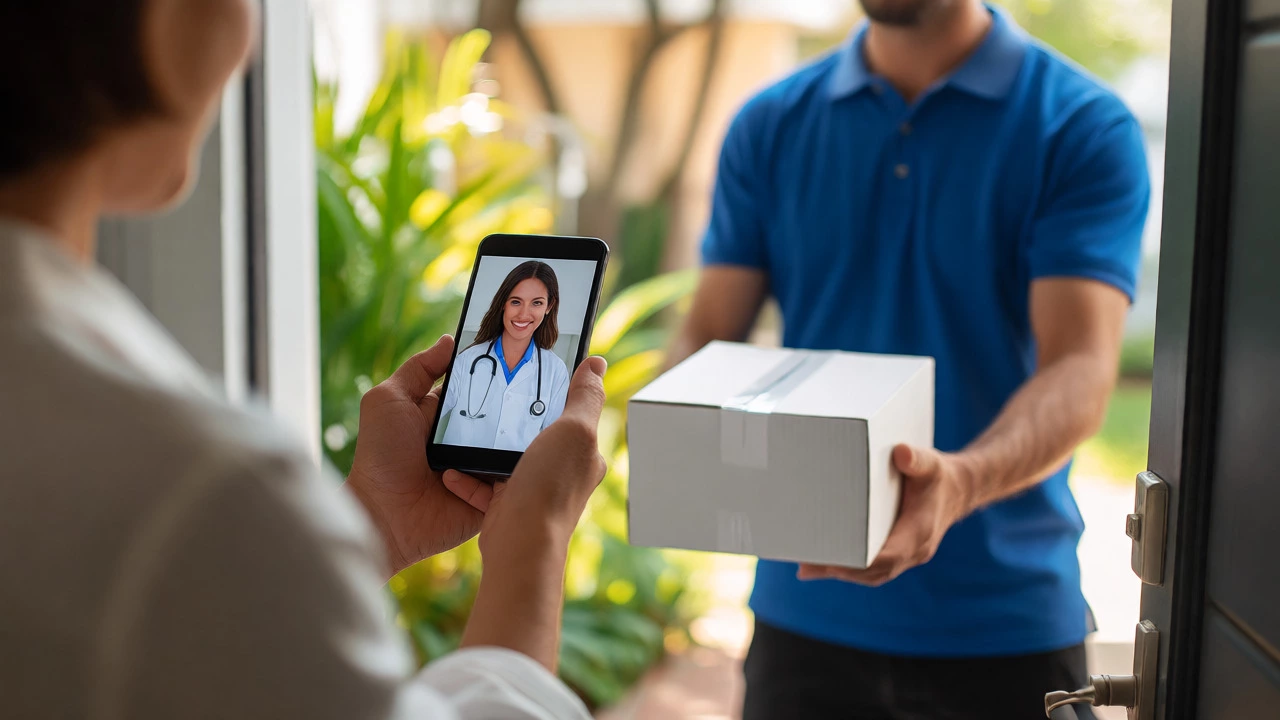
- Dispensing: The script goes to a partner pharmacy. You choose delivery or pickup.
- Follow-up: Good services schedule a check-in in 2-4 weeks to ensure the med is working.
Pro tip: Have your current medication list handy. Interactions matter. If you’re taking Warfarin and ask for an antibiotic that increases bleeding risk, the doctor needs to know beforehand to adjust the dose or pick a different antibiotic.
When to Choose In-Person Care Instead
Telemedicine is powerful, but it’s not magic. There are clear scenarios where driving to a clinic is the safer, smarter choice. If you have undiagnosed symptoms-say, unexplained weight loss, persistent headaches, or a lump-you need physical exams and potentially imaging. An online doctor can’t feel your abdomen or listen to your lungs properly through a microphone.
Also, consider insurance and cost. While some online visits are cheaper, not all insurers cover telehealth equally. Check your policy. Sometimes, a co-pay for an in-person visit is comparable to the cash price of an online consult, especially if you need multiple labs done anyway.
Key Takeaways
- Yes, online doctors can prescribe antibiotics, antidepressants, birth control, and chronic disease meds.
- No, they generally avoid starting new patients on strong opioids or ADHD stimulants without prior history.
- Always disclose your full medical history; honesty speeds up approval.
- Emergency symptoms (chest pain, difficulty breathing) require immediate in-person care, not an app.
Can online doctors prescribe antibiotics for a UTI?
Yes, absolutely. Urinary Tract Infections are one of the most common reasons for online consultations. Doctors typically rely on symptom checklists (burning, frequency, urgency) and may ask you to use a home dipstick test if available. If symptoms are uncomplicated, they will prescribe standard antibiotics like Nitrofurantoin or Trimethoprim.
Are online prescriptions valid at any pharmacy?
Generally, yes. Electronic prescriptions (e-scripts) are sent directly to major chains like Boots or Superdrug, or independent pharmacies. However, some online-only services use their own dispensing network. Always confirm if your chosen pharmacy accepts e-scripts from that specific provider before paying.
Can I get sleeping pills from an online doctor?
It depends on the type. Over-the-counter antihistamines are easy. Prescription options like Zopiclone are often available, but doctors may limit the quantity due to dependency risks. Benzodiazepines (like Diazepam) are harder to get online and often require an existing prescription history.
Do I need a referral to see an online doctor?
No. One of the biggest advantages of telemedicine is direct access. You do not need a GP referral letter to book a consultation with most private online health services. You can book directly through their website or app.
What happens if the online doctor refuses to prescribe?
If a doctor feels they lack enough information to prescribe safely, they will decline the request. This is a good sign-it means they prioritize patient safety over sales. They may recommend you see a GP for further testing or suggest over-the-counter alternatives. You are usually not charged, or charged less, if no prescription is issued.