What Is the Most Reliable Online Pharmacy? How to Spot a Safe and Legitimate One
 Jan, 6 2026
Buying medicine online sounds simple-until you land on a site that looks real but sells fake pills. Every year, thousands of people in the UK end up with bad reactions because they trusted a website that wasn’t licensed. The truth? Not all online pharmacies are created equal. Some are fronts for criminals. Others are run by qualified pharmacists who follow the law. So how do you find the most reliable one? It’s not about which one has the cheapest prices or the flashiest website. It’s about verification, regulation, and transparency.
Legitimacy Starts with a Physical Address and a Registered Pharmacist
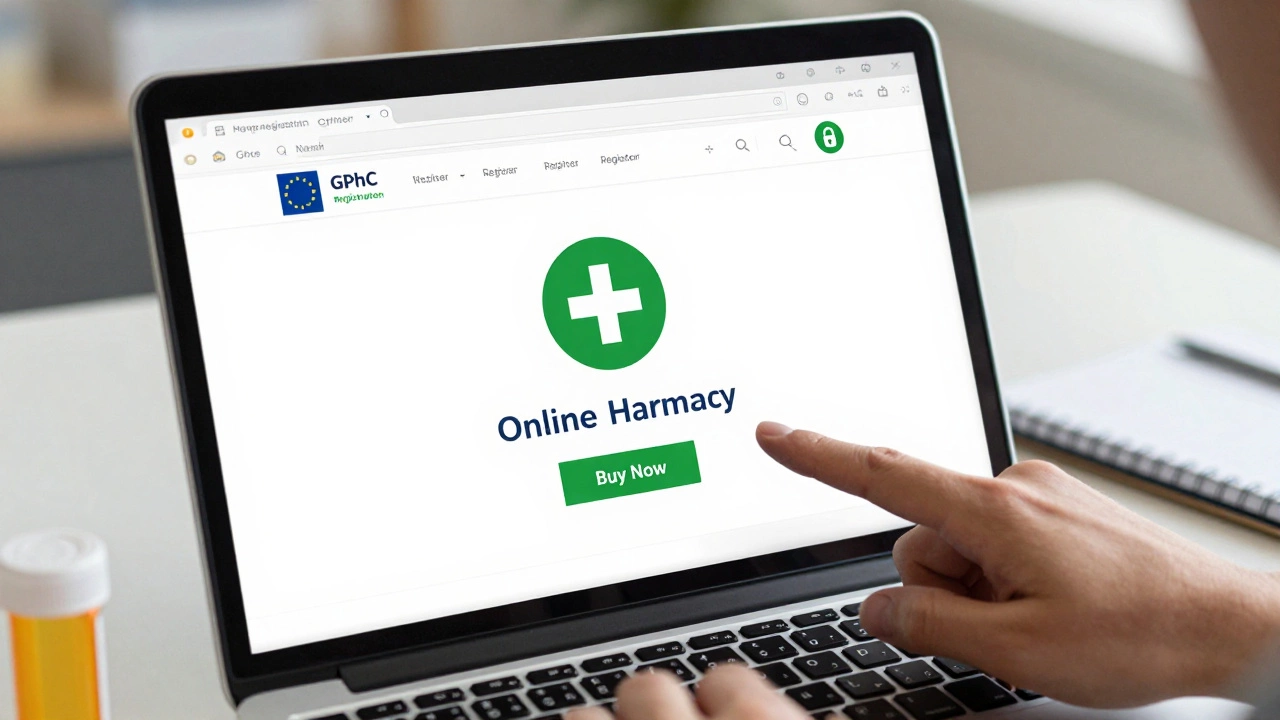
A real online pharmacy in the UK must be registered with the General Pharmaceutical Council (GPhC). That’s not optional. It’s the law. If a website doesn’t show its GPhC registration number clearly on the homepage, walk away. The number should be clickable and link directly to the GPhC’s official register. You can type that number into the GPhC website yourself to confirm it’s active. If the site hides this info, or if the link goes to a dead page, it’s a red flag.
Also, look for a physical address-not just a PO box. Legitimate pharmacies list their actual dispensing location. In Birmingham, for example, you’ll find registered pharmacies with real storefronts, phone numbers, and pharmacists on staff. If the website only gives you a contact form and no address, it’s not trustworthy. Real pharmacies don’t hide where they operate.
Prescription Requirements Are Non-Negotiable
Any pharmacy that lets you buy prescription-only medicines like antibiotics, insulin, or strong painkillers without a prescription is breaking the law-and putting your life at risk. A reliable online pharmacy will always ask for a valid prescription before dispensing controlled medications. They may even call your GP to verify it. That’s not a hassle; that’s a safety step.
Be extra careful with sites that say, “No prescription needed!” or “Get your meds in 24 hours without a doctor.” These are common tactics used by illegal online pharmacies. They sell counterfeit versions of drugs that might contain too much or too little active ingredient, or worse-rat poison, chalk, or industrial chemicals. The NHS warns that over 50% of counterfeit medicines sold online contain harmful substances.
Look for the EU Common Logo
The European Union introduced a safety logo for legal online pharmacies. It’s a small green square with a white cross inside. If you’re buying from a pharmacy based in the EU or one that serves EU customers, this logo should appear on their homepage. Click it. It should take you directly to the official register of the pharmacy’s country. In the UK, this links to the GPhC register. If clicking the logo leads to a random page, a broken link, or nothing at all, the site is fake.
Even if the pharmacy is based outside the UK, if it ships to British customers, it must comply with UK law. That means it must still require prescriptions and be licensed. No exceptions.
Check for Secure Payment and Privacy Practices
Reliable pharmacies use encrypted payment systems. Look for “https://” and the padlock icon in your browser’s address bar. But that’s just the start. A trustworthy site won’t ask for unnecessary personal details like your National Insurance number or passport copy. They only need your name, address, and prescription details.
Also, avoid sites that accept only cryptocurrency or wire transfers. Legitimate pharmacies use standard payment methods like Visa, Mastercard, or PayPal. Why? Because these methods offer buyer protection. If something goes wrong, you can dispute the charge. Crypto payments? Gone forever.
Real Customer Reviews Are Detailed and Balanced
Don’t trust star ratings alone. Fake pharmacies buy 5-star reviews. Look for reviews that mention specific details: how long shipping took, whether the packaging looked official, if the medication matched the prescription, or if the pharmacist called to confirm dosage. Real customers talk about their experience, not just say “Great service!”
Check third-party review sites like Trustpilot or the Better Business Bureau. Look for patterns. If dozens of people say the pills didn’t work or they got sick after taking them, that’s a warning. Also, check if the pharmacy responds to negative reviews. A real business will address complaints professionally. A fake one ignores them.
Use the NHS-Approved List
The NHS doesn’t endorse any single online pharmacy, but it does maintain a list of approved providers that meet UK safety standards. These are pharmacies that are registered with the GPhC and follow strict rules on storage, shipping, and dispensing. You can find this list on the NHS website under “Online Pharmacies.”
Some well-known UK-based online pharmacies on this list include:
- MedExpress - Based in Manchester, offers delivery across the UK, requires prescriptions, and uses GPhC-registered pharmacists.
- Chemist4U - Licensed in the UK, provides free delivery on prescriptions, and has a live chat with pharmacists.
- Dr. Fox - Works with NHS GPs to validate prescriptions before dispensing.
These aren’t the only ones-but they’re the ones that have been verified by official bodies. Stick to names like these. Avoid unknown brands with names like “FastMeds247” or “GlobalPharmaDeals.”
What Happens If You Buy From a Fake Pharmacy?
It’s not just about wasting money. People have ended up in hospital after taking fake Viagra that contained high doses of blood pressure drugs. Others have overdosed on counterfeit metformin that had no active ingredient. In one case in 2024, a woman in Leeds was diagnosed with liver failure after taking “weight-loss pills” bought online. Tests showed the pills contained unapproved stimulants not approved for human use in the UK.
The Medicines and Healthcare products Regulatory Agency (MHRA) seizes thousands of illegal packages every year. Many come from overseas, often disguised as letters or parcels from “personal shipments.” But they’re not personal-they’re mass-produced by criminal networks.
When in Doubt, Call Your Local Pharmacist
If you’re unsure about an online pharmacy, call your local high street pharmacy. Pharmacists see this every day. They can tell you if a website is safe. Many even offer the same service for a fraction of the cost. For example, if you need a repeat prescription for blood pressure tablets, your local pharmacy can dispense it for £9.65 in England (or free if you’re exempt). Online pharmacies sometimes charge double for the same medicine.
And here’s something most people don’t realize: many online pharmacies source their stock from UK wholesalers. That means the medicine is the same. But the service, safety, and support aren’t.
Final Checklist: Is This Pharmacy Safe?
Before you click “Buy Now,” run through this quick checklist:
- Does the site show a GPhC registration number? (Verify it on the GPhC website)
- Does it require a valid prescription for prescription medicines?
- Is there a physical address, not just a contact form?
- Does it display the EU common logo and does it link to a real register?
- Does it accept secure, traceable payment methods like credit cards?
- Are reviews detailed and from real people-not just five-star spam?
- Is the pharmacy on the NHS-approved list?
If you answer “yes” to all seven, you’re likely safe. If even one is “no,” don’t buy. Your health isn’t worth the risk.
Can I trust online pharmacies that claim to be based in the UK?
Not all UK-based online pharmacies are legitimate. Some fake sites use fake UK addresses or register under shell companies. Always verify the pharmacy’s registration on the General Pharmaceutical Council (GPhC) website. If the registration number doesn’t exist or is inactive, it’s not trustworthy-even if the site says it’s UK-based.
Are online pharmacies cheaper than high street ones?
Sometimes, but not always. Many online pharmacies charge more for the same medicine because they add shipping fees or mark up prices. For NHS prescriptions, the standard charge in England is £9.65 per item. Many legitimate online pharmacies charge the same. If a site offers a brand-name drug for 80% less, it’s likely counterfeit. Price should never be the deciding factor.
What should I do if I think I received fake medicine?
Stop taking the medicine immediately. Contact your GP or pharmacist to report the issue. Then report it to the Medicines and Healthcare products Regulatory Agency (MHRA) through their Yellow Card scheme. Keep the packaging and any remaining pills-they’re important evidence. The MHRA investigates these reports and often shuts down illegal operations after multiple reports.
Can I buy controlled drugs like Adderall or Xanax online?
No. In the UK, controlled drugs like Adderall, Xanax, and oxycodone are Class B or Class C substances. It is illegal to sell them without a prescription, and even then, only licensed pharmacies can dispense them. Any website offering these without a valid prescription is breaking the law. Buying them online puts you at risk of legal consequences and serious health harm.
Is it safe to order medicine from outside the UK?
It’s risky. Medicines from outside the UK may not meet UK safety standards. They might be stored improperly during shipping, contain different ingredients, or be expired. The MHRA warns against importing prescription drugs from overseas, even if they’re legal in another country. Always use a UK-registered pharmacy to ensure the medicine is safe, legal, and properly regulated.
If you need regular medication, stick with your local pharmacy or a verified online service. The convenience of online shopping shouldn’t come at the cost of your safety. A reliable pharmacy doesn’t just deliver pills-it delivers peace of mind.