What is the Most Painful Time After Knee Replacement Surgery?
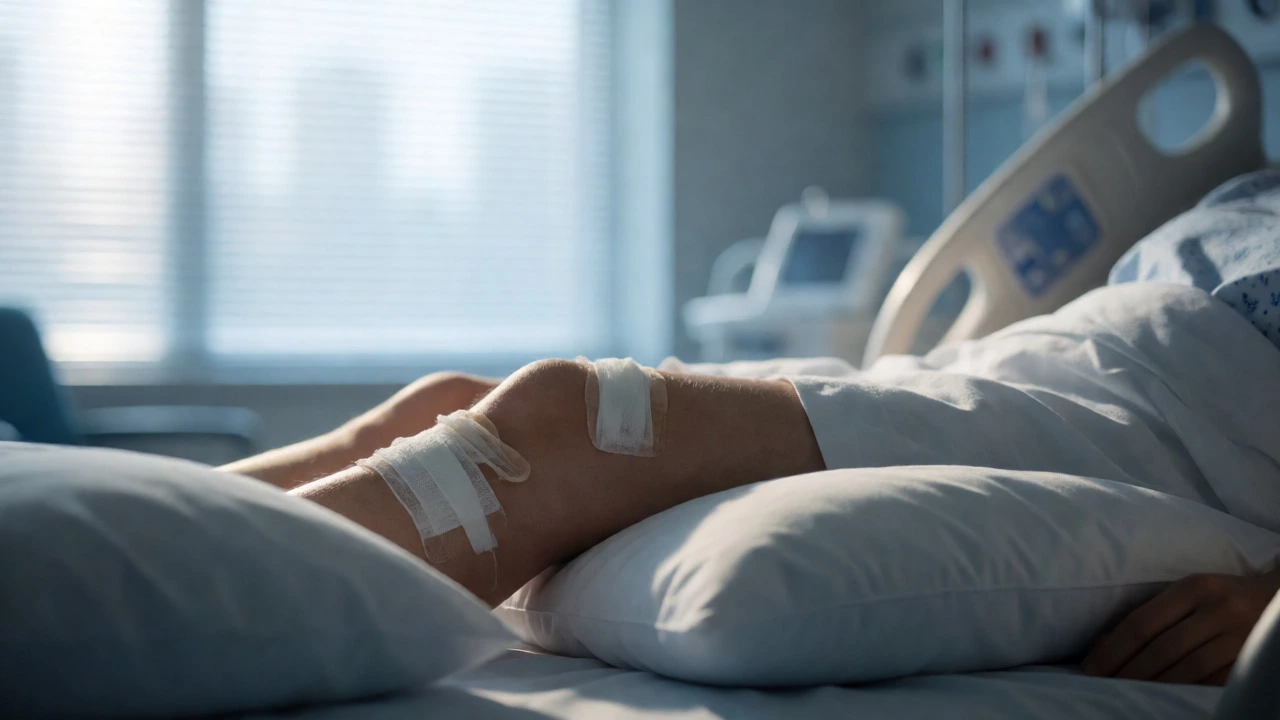 Sep, 4 2026
Knee Replacement Pain Timeline Explorer
Select a timeframe below to view detailed information about expected pain levels, primary causes, and recommended management strategies for that specific stage of your recovery.
Day 0-1: The Anesthesia Hangover
Pain Level: 2-4 / 10Primary Cause
Regional anesthesia or nerve blocks are still active, numbing the leg. You may feel groggy but not sharp pain.
Management Strategy
- Rest and elevate the leg.
- Apply ice packs (20 mins on/off).
- Perform ankle pumps to prevent blood clots.
You’ve just woken up from anesthesia. Your new knee feels like it’s on fire, and you’re wondering if this is normal. Spoiler alert: yes, it is. But here’s the thing-most people think the worst part is right after they leave the hospital. It’s not. The real challenge often hits a few days later, when the nerve blocks wear off and reality sets in.
Understanding knee replacement surgery recovery isn’t just about enduring pain; it’s about knowing when to expect it so you don’t panic. This procedure, medically known as total knee arthroplasty, replaces damaged joint surfaces with artificial components. While the surgery itself takes about an hour, the recovery journey spans months. Knowing the specific timeline of discomfort helps you manage expectations and communicate better with your care team.
The First 24 Hours: The Anesthesia Hangover
Immediately after surgery, you might feel surprisingly okay. Why? Because surgeons typically use regional anesthesia or nerve blocks that numb the leg for hours. You’ll be groggy, thirsty, and maybe a bit confused, but the sharp pain hasn’t fully arrived yet. This is your grace period. Use it to rest, but also to start small movements like ankle pumps to prevent blood clots.
However, don’t get complacent. As the block fades, usually within 6 to 12 hours, the pain will creep back in. It’s often described as a deep ache mixed with sharp sensations around the incision site. This transition is jarring for many patients because they go from "numb" to "ouch" very quickly.
Days 3 to 5: The Peak Discomfort Window
Here is the answer to the big question: For most patients, days 3 through 5 are the most painful period after knee replacement. Why then? By day three, the powerful intra-operative nerve blocks have completely worn off. Simultaneously, inflammation peaks. Your body is reacting to the trauma of having bone cut and metal inserted. Swelling reaches its maximum, making the joint feel tight and hot.
During this window, you’re likely starting aggressive physical therapy. Walking short distances, bending the knee, and straightening the leg become exercises in grit. Every movement pulls on healing tissues. If you had a partial block or spinal anesthesia, the return of sensation coincides with peak swelling. It’s a perfect storm of biological response and mechanical stress.
| Timeframe | Pain Level (0-10) | Primary Cause | Management Strategy |
|---|---|---|---|
| Day 0-1 | 2-4 | Nerve block active | Rest, ice, elevation |
| Day 2 | 5-7 | Block wearing off | Multipmodal medication |
| Day 3-5 | 7-8 | Peak inflammation & PT | Pain meds + Ice before activity |
| Week 2 | 4-5 | Soft tissue healing | Active movement, less reliance on opioids |
| Month 1+ | 2-3 | Scar tissue formation | Strengthening exercises |
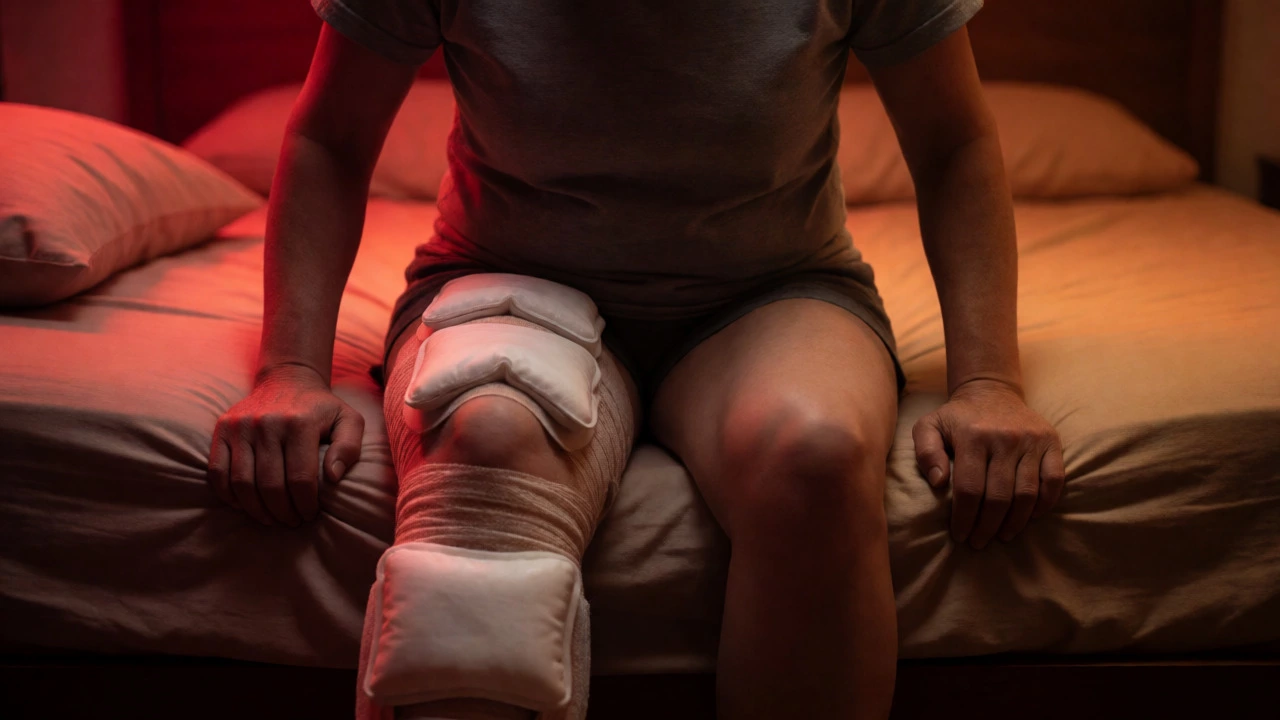
Why Physical Therapy Hurts So Much
If you dread mornings, you’re not alone. Stiffness is the enemy of recovery. Overnight, fluids accumulate, and scar tissue begins to form around the joint. When you wake up, your knee feels locked. Breaking that stiffness requires force, which hurts. Physical therapists push you to regain range of motion (ROM). They want you to bend at least 90 degrees by week two and straighten fully by week four.
This creates a paradox: you need to move to heal, but moving hurts. The key is timing. Take your pain medication 30 to 45 minutes before therapy sessions. Apply ice immediately after. Don’t try to "tough it out" during exercises, as severe pain causes muscle guarding, which actually slows down progress. Work with your therapist to find the sweet spot between discomfort and agony.
The Two-Week Mark: A Turning Point
By the end of the second week, things usually improve. The acute surgical pain subsides, replaced by muscular soreness. You’re no longer dependent on strong opioids for baseline comfort. Many patients report feeling "human" again around day 14. You can walk more confidently, sleep better, and handle daily tasks like showering without assistance.
However, beware of overdoing it. Feeling better often leads patients to increase activity too rapidly. If you hike a mile on day 15 after only walking 50 feet on day 5, you’ll pay for it with increased swelling and pain the next day. Progress should be gradual. Think of it as a marathon, not a sprint.

Managing Expectations and Medication
Pain tolerance varies wildly among individuals. Some patients barely need painkillers after week one; others require them for weeks. Factors influencing this include pre-surgery pain levels, mental health status, and social support systems. Anxiety amplifies pain perception, so staying calm matters.
- Ice is your best friend: Use cryotherapy machines or ice packs for 20 minutes on, 20 minutes off. This reduces inflammation significantly.
- Elevation beats gravity: Keep your leg above heart level when resting to drain fluid.
- Medication schedule: Stay ahead of the pain. Don’t wait until it’s a 10/10 to take pills.
- Communication: Tell your doctor if pain is unmanageable. It could signal infection or other complications.
When to Worry
While pain is expected, certain signs indicate trouble. If your calf becomes tender and swollen, suspect a blood clot (DVT). If the incision oozes pus or you develop a fever over 101°F (38.3°C), call your surgeon immediately. Sharp, shooting pains that persist despite medication and rest should also be evaluated.
Remember, recovery isn’t linear. You’ll have good days and bad days. Weekends often feel harder because you’re away from professional guidance. Trust the process. Most patients say their first six weeks were tough, but looking back, they’d do it again because the relief from arthritis was worth it.
How long does severe pain last after knee replacement?
Severe acute pain typically lasts for the first 3 to 5 days. Moderate pain continues for 2 to 4 weeks. Mild discomfort may persist for several months as soft tissues continue to heal.
Is night pain common after knee surgery?
Yes, night pain is very common, especially in the first two weeks. Lack of distraction and increased pressure on the joint while lying down can amplify sensations. Using pillows to support the leg and taking evening medication can help.
Does age affect pain levels after knee replacement?
Not necessarily. Older adults may have lower pain thresholds due to chronic conditions, but younger patients sometimes report higher pain due to greater activity levels and faster metabolism of medications. Individual variation is significant regardless of age.
Can I stop taking pain meds early?
You can reduce dosage gradually as tolerated. Stopping abruptly can lead to rebound pain. Transition from opioids to NSAIDs or acetaminophen as advised by your surgeon, usually around the 10-14 day mark.
Why does my knee hurt more after therapy than before?
Therapy stretches tight tissues and breaks up adhesions, causing temporary micro-trauma. This inflammatory response is part of the healing process. Pain should subside within a few hours post-session with proper icing and rest.