What is the #1 Supplement to Take? A No-Nonsense Guide
 Sep, 15 2026
Personalized Supplement Priority Calculator
Answer the questions below to see which supplement is likely your top priority. This tool estimates needs based on general population data and common lifestyle patterns.
Your Top Recommendation
Confidence: HighVitamin D3
Reasoning will appear here...
Secondary Considerations
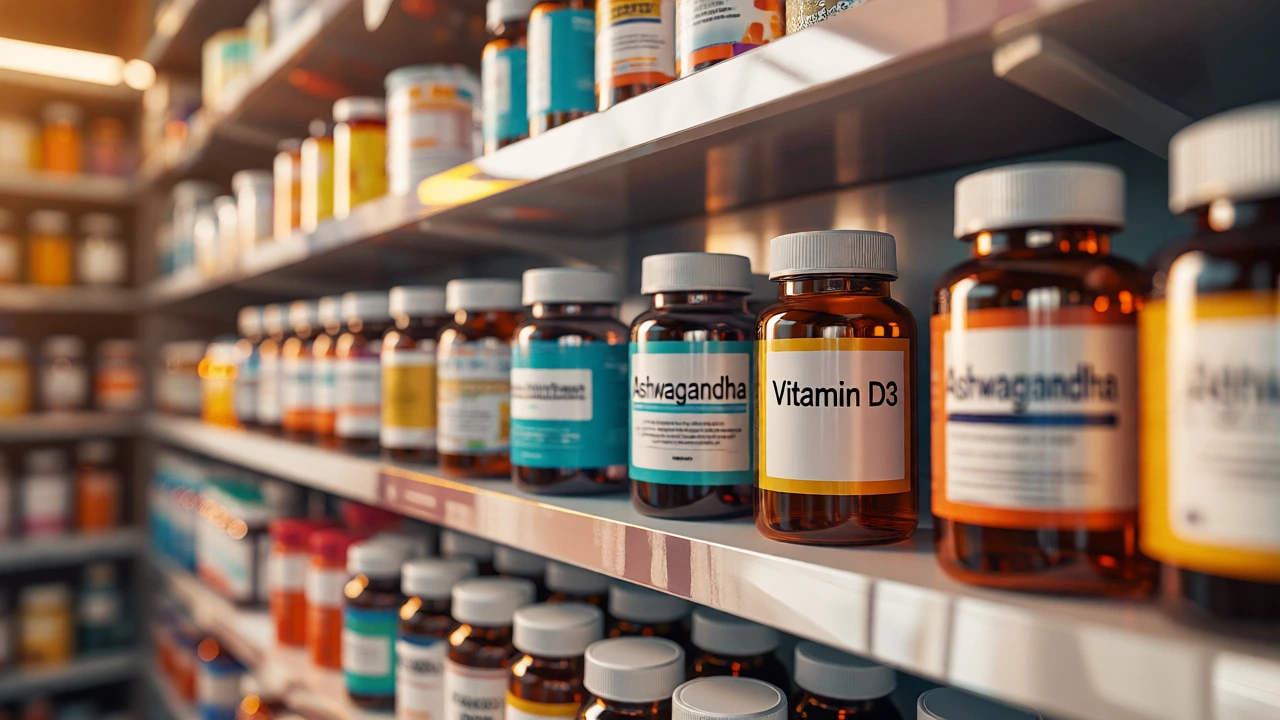
You walk into a pharmacy or scroll through an online store, and you’re hit with a wall of colorful bottles. Magnesium here, ashwagandha there, maybe some obscure mushroom extract promising to fix your sleep. It’s overwhelming. You want one answer: what is the #1 supplement to take? The truth is, there isn’t a single magic pill that fixes everything for everyone. But if we had to pick the most universally beneficial supplement based on current scientific consensus and public health data, it’s likely not the trendy herbal adaptogen you saw on TikTok. It’s probably something far more basic.
Before we name the winner, let’s clear up why this question is so tricky. Your body is unique. If you live in sunny California and eat plenty of fatty fish, your needs are different from someone living in Birmingham, UK, who works indoors and eats a plant-based diet. So, while we can identify a top contender for general population health, context matters. This guide breaks down the evidence, looks at the top contenders, and helps you decide what actually belongs in your cabinet.
The Case for Vitamin D3 as the Top Contender
If you look at global deficiency rates, one nutrient stands out above the rest: Vitamin D3 is a fat-soluble vitamin that acts like a hormone in the body, crucial for bone health, immune function, and mood regulation. Unlike other vitamins, your skin makes it when exposed to sunlight. But modern life interferes with this process. We wear sunscreen, work inside, and live in latitudes where winter sun is weak. For many people in the Northern Hemisphere, including those in the UK, getting enough from sun alone is nearly impossible for half the year.
Why does this make it the "#1" candidate? Because the gap between what we need and what we get is massive. Studies suggest over a billion people worldwide have insufficient levels. Low Vitamin D is linked to weakened bones, higher susceptibility to infections, and even mood disorders like seasonal affective disorder. Since so many people are deficient, correcting this deficiency offers the highest return on investment for most individuals. It’s cheap, safe, and addresses a widespread biological shortfall.
Herbal Supplements: Where Do They Fit?
You mentioned herbal supplements, which often get hyped as the ultimate solution. Let’s be real about them. Herbs like Ashwagandha, Turmeric, or Ginseng aren't "vitamins." They are pharmacologically active compounds. They can do amazing things, but they don't fill a nutritional gap in the same way Vitamin D does. Instead, they modulate specific systems.
Take Ashwagandha is an adaptogenic herb used in Ayurvedic medicine to help the body manage stress and anxiety. Research shows it can lower cortisol levels. If you are stressed, it might feel like a miracle. But if you are perfectly calm and just have low energy due to iron deficiency, Ashwagandha won’t help much. Herbal supplements are tools for specific problems, not universal foundations. That’s why they rarely claim the top spot for general population health unless you have a specific condition they target.
Comparing the Top Contenders
To see how Vitamin D stacks up against other popular choices, let’s look at the data. We compared three common supplements based on deficiency prevalence, safety profile, and breadth of benefit.
| Supplement | Primary Function | Deficiency Prevalence (Global) | Safety Profile | Best For |
|---|---|---|---|---|
| Vitamin D3 | Bone health, immunity, mood | High (est. 1B+ people) | Very High (at standard doses) | General population, indoor workers, older adults |
| Magnesium | Muscle function, sleep, nerve health | Moderate-High | High (digestive upset possible) | People with muscle cramps, poor sleep, high stress |
| Ashwagandha | Stress reduction, cortisol balance | N/A (Not a nutrient) | Moderate (may interact with meds) | Individuals with chronic stress or anxiety |
Notice the pattern? Vitamin D wins on prevalence. Almost everyone has room to optimize their levels. Magnesium is a close second because soil depletion means our food has less magnesium than it did fifty years ago. Ashwagandha is niche-it’s powerful, but only if you fit the profile.

How to Determine Your Personal "Number One"
Don’t just guess. Guessing wastes money and can mask underlying issues. Here is a simple workflow to find your true priority:
- Get Blood Work Done: This is non-negotiable. Ask your doctor for a 25-hydroxy vitamin D test, a full blood count (for iron), and a comprehensive metabolic panel. Without data, you are flying blind.
- Assess Lifestyle Factors: Do you sleep poorly? Look at Magnesium. Are you constantly anxious? Look at adaptogens like Rhodiola or Ashwagandha. Do you have joint pain? Consider Omega-3s.
- Check Medication Interactions: Some herbs interfere with prescription drugs. St John’s Wort, for example, can mess with antidepressants and birth control. Always check before starting a new herbal regimen.
- Start Low and Slow: Pick one supplement. Give it 8-12 weeks. Track changes in energy, sleep, or mood. Then add another if needed. Taking five new things at once tells you nothing about what worked.
The Role of Diet vs. Pills
Here is a hard truth: supplements are called "supplements" for a reason. They support a diet; they don’t replace it. You cannot out-supplement a bad lifestyle. If you eat mostly processed foods, no amount of multivitamins will give you the fiber, phytonutrients, and satiety signals that whole foods provide.
Think of your diet as the foundation of a house. Supplements are the insulation or the smart thermostat. They improve efficiency and comfort, but they don’t hold the roof up. If you are relying on pills to fix fatigue caused by eating sugar crashes, the pill won’t solve the root cause. Focus on protein, vegetables, and hydration first. Then, use the #1 supplement-likely Vitamin D-to cover the gaps that diet and sunlight miss.

Sourcing Quality: Avoiding Snake Oil
The supplement industry is loosely regulated. In the UK and EU, standards are stricter than in the US, but quality still varies wildly. How do you know what’s in the bottle matches the label?
- Look for Third-Party Testing: Brands that submit products to independent labs (like NSF International or USP) prove purity and potency. If a brand hides its testing results, be skeptical.
- Check the Form: Not all forms are equal. Magnesium Oxide is cheap and poorly absorbed. Magnesium Glycinate is expensive but highly bioavailable. Similarly, Vitamin D3 (cholecalciferol) is better than D2. Always buy the more absorbable form.
- Beware of Proprietary Blends: If a label says "Energy Blend" without listing exact amounts of each ingredient, you don’t know if you’re getting a therapeutic dose or just a sprinkle of filler.
Buying quality costs more upfront but saves money long-term. Cheap supplements often contain fillers, heavy metals, or inactive ingredients. You end up taking more pills to get the same effect, or worse, none at all.
Final Thoughts on Starting Your Regimen
So, what is the #1 supplement to take? For the vast majority of people, especially those in northern climates or with indoor lifestyles, Vitamin D3 is the safest, most impactful starting point. It corrects a widespread deficiency with minimal risk. Once your baseline is set, you can layer in targeted solutions like Magnesium for sleep or Ashwagandha for stress.
Remember, consistency beats intensity. Taking a moderate dose daily is better than blasting yourself with mega-doses occasionally. Listen to your body, back it up with blood tests, and keep your expectations realistic. Health is a marathon, not a sprint, and the right supplement is just one small step on that path.
Is it safe to take Vitamin D every day?
Yes, for most adults, daily supplementation of 1000-4000 IU is considered safe and effective. However, extremely high doses (over 10,000 IU daily) should only be taken under medical supervision to avoid toxicity, which can lead to hypercalcemia (high calcium levels).
Can I get enough Vitamin D from food alone?
It is very difficult. Few foods naturally contain significant Vitamin D, such as fatty fish (salmon, mackerel), egg yolks, and fortified milk. Most people would need to eat these foods daily in large quantities to meet requirements, making supplementation a practical necessity for many.
Do herbal supplements have side effects?
Yes, natural does not mean side-effect-free. Herbs can interact with medications, cause digestive upset, or affect hormone levels. For example, high doses of Zinc can interfere with Copper absorption, and some adaptogens may impact thyroid function. Always consult a healthcare provider before starting new herbal protocols.
How long does it take to see benefits from supplements?
This varies by supplement. Water-soluble vitamins like B-complex may show effects in days. Fat-soluble vitamins like D and K, or minerals like Iron, often require 3-6 months to build up adequate tissue stores. Herbal adaptogens typically need 4-8 weeks of consistent use to demonstrate noticeable changes in stress response.
Should I take supplements with food?
Fat-soluble vitamins (A, D, E, K) should be taken with a meal containing fat for optimal absorption. Minerals like Iron are best taken on an empty stomach with Vitamin C, though this can cause nausea for some. Multivitamins are generally well-tolerated with food to reduce gastric irritation.