What is IVF Cost in the UK? A 2026 Breakdown of Prices, Funding, and Hidden Fees
 Jul, 28 2026
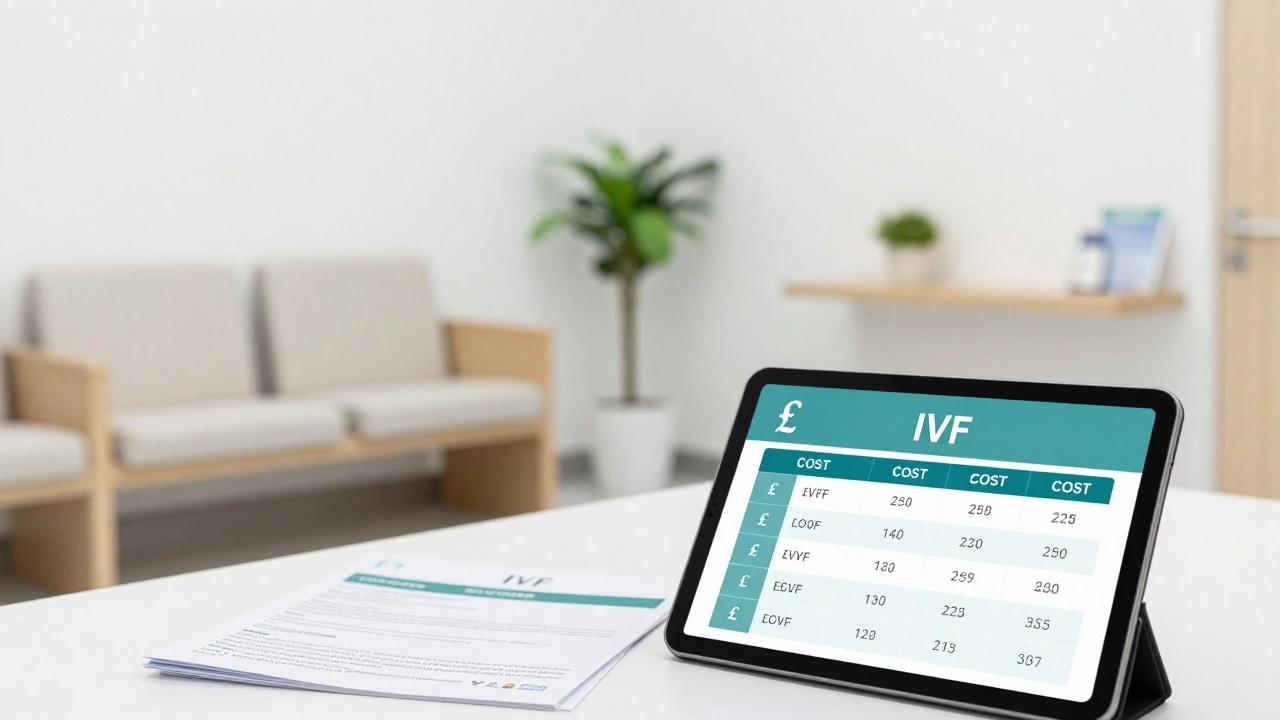
IVF Cost Estimator for the UK (2026)
Use this tool to estimate your potential out-of-pocket expenses for a single IVF cycle in the UK. Select options that apply to your situation.
Select Your Options
Additional Services & Add-ons:
Estimated Cost Breakdown
Trying to start a family is expensive enough without adding the shock of medical bills to the mix. When you search for IVF cost, you aren't just looking for a number; you are looking for hope, clarity, and a way to budget for one of the most significant financial decisions of your life. In 2026, the landscape of fertility treatment in the United Kingdom has shifted again. With rising medication prices and evolving NHS guidelines, understanding exactly what you will pay-and where you might get help-is critical.
This isn't about vague estimates. It’s about real numbers, hidden fees, and the specific rules that determine whether you pay out of pocket or receive support. Let’s break down the true cost of In Vitro Fertilization (IVF) so you can plan with confidence.
The Baseline: What Does a Single IVF Cycle Actually Cost?
If you walk into a private fertility clinic in the UK today, the sticker price for a single cycle of IVF typically ranges between £4,500 and £7,500. This base fee usually covers the monitoring scans, the egg retrieval procedure, the laboratory work to fertilize the eggs, and the embryo transfer.
However, this base price is rarely the final bill. Think of it as the rent on an apartment-it doesn’t include utilities, furniture, or council tax. In IVF terms, the base fee excludes the two biggest variable costs: medications and genetic testing.
| Component | Estimated Cost Range (£) | Notes |
|---|---|---|
| Base IVF Cycle Fee | £4,500 - £7,500 | Covers retrieval, lab work, and transfer |
| Hormonal Medications | £800 - £1,500 | Varies by protocol and age |
| Anesthesia | £300 - £600 | For egg retrieval procedure |
| Embryo Freezing & First Year Storage | £300 - £500 | Often required if multiple embryos are created |
| Total Estimated Cost per Cycle | £5,900 - £10,100 | Before additional testing or frozen transfers |
Notice how quickly the total climbs. If you add Preimplantation Genetic Testing for Aneuploidy (PGT-A)-which checks embryos for chromosomal abnormalities-the cost jumps by another £1,500 to £2,500. For many couples, especially those over 35 or those with recurrent miscarriage, this testing is not optional; it’s essential for success. This means a comprehensive first cycle often exceeds £10,000.
NHS Funding: Who Qualifies and What Are the Rules?
The National Health Service (NHS) offers IVF free at the point of use, but access is not uniform across the UK. The eligibility criteria depend entirely on your Clinical Commissioning Group (CCG) or Integrated Care Board (ICB). This creates a postcode lottery that frustrates many patients.
In most areas, the standard eligibility criteria include:
- Age: Women are typically under 40. Some regions extend this to 42, but very few fund cycles for women over 40 due to lower success rates.
- BMI: Both partners usually need a Body Mass Index between 19 and 30. Higher BMI can reduce success rates and increase surgical risks.
- Childlessness: Most NHS funds cover only those who have no living children. If you have a child from a previous relationship, you may be excluded unless there are exceptional circumstances.
- Relationship Status: You must have been in a stable relationship for at least two years. Single women and same-sex couples face varying levels of acceptance depending on the local board.
Even if you qualify, wait times can be long. In 2026, average waits for NHS fertility assessments range from six to twelve months. During this time, age-related fertility decline continues, which is why many patients choose to start privately while waiting for NHS approval, hoping to freeze embryos early.
Hidden Costs That Clinics Don’t Always Highlight
When comparing clinics, don’t just look at the headline figure. There are several recurring costs that can catch you off guard.
Frozen Embryo Transfers (FET): If your fresh cycle fails, you likely have frozen embryos left over. Transferring these is cheaper than a full new cycle-usually £1,500 to £2,500-but it still requires monitoring and sometimes light medication. Many couples undergo two or three FETs before achieving pregnancy.
Annual Storage Fees: If you have spare embryos, they must be stored. Clinics charge annual fees ranging from £150 to £300 per year. Over five years, this adds up significantly. Make sure you understand the storage contract before signing up.
Donor Sperm or Eggs: If you require donor gametes, the cost increases dramatically. Donor sperm packages range from £300 to £800 per vial. Donor egg cycles can cost an additional £3,000 to £5,000 because they involve coordinating two women’s cycles and compensating the donor.
Travel and Accommodation: If the best clinic is not in Birmingham or your local city, factor in travel costs. Frequent scans mean multiple trips. Some patients rent short-term accommodation near major fertility hubs like London or Manchester to reduce stress and travel time.
Private Financing Options and Packages
Paying £10,000 upfront is daunting. Fortunately, the fertility industry has adapted by offering various financing solutions.
Shared Risk Programs: These are popular packages where you pay a higher upfront fee (e.g., £12,000 to £15,000) for a guaranteed live birth or up to three full cycles. If you don’t succeed after the included cycles, you get refunds or free treatments. This shifts the risk from you to the clinic. However, read the fine print carefully. Some programs exclude certain diagnoses or age groups.
Payment Plans: Most reputable clinics offer interest-free or low-interest payment plans spread over 12 to 24 months. This helps cash flow but doesn’t reduce the total cost.
Fertility Loans: Specialized lenders offer loans specifically for fertility treatment. Interest rates vary, so compare them with personal loan options. Be cautious of high-fee lenders that target desperate patients.
Employer Benefits: Check with your HR department. An increasing number of UK companies now offer fertility benefits, either through private health insurance add-ons or direct subsidies. Some employers provide paid leave for fertility appointments, which saves you income loss.
Medical Tourism: Is Going Abroad Cheaper?
With UK prices rising, some patients consider medical tourism. Countries like Spain, Czech Republic, and Greece offer high-quality IVF at lower costs. A full cycle in Spain might cost €3,500 to €5,000 (approximately £3,000 to £4,300), including medications.
However, the savings come with trade-offs:
- Travel Stress: Undergoing hormonal injections and procedures while abroad is physically and emotionally taxing.
- Follow-up Care: If something goes wrong post-transfer, you need immediate local care. Coordinating between a foreign clinic and your GP back home can be difficult.
- Legal Differences: Laws regarding embryo donation, surrogacy, and genetic testing vary by country. Ensure any treatment aligns with UK regulations if you plan to return home.
For many, the convenience and continuity of care in the UK outweigh the potential savings abroad. But for those with flexible jobs and good health, it can be a viable option.
How to Reduce Your IVF Costs Without Compromising Success
You don’t have to accept the highest price tag. Here are practical steps to manage expenses:
- Get a Second Opinion: Not all cases require immediate IVF. Sometimes, IUI (Intrauterine Insemination) or lifestyle changes can achieve pregnancy at a fraction of the cost. Ask your doctor if less invasive options are suitable first.
- Compare Clinic Success Rates: Use the Human Fertilisation and Embryology Authority (HFEA) website to check live birth rates per embryo transfer. A slightly more expensive clinic with a 30% higher success rate may save you money in the long run by reducing the number of cycles needed.
- Negotiate Package Deals: If you plan to do multiple cycles, ask clinics for a discount. Some offer reduced rates for second or third attempts.
- Check Generic Medications: Ask if generic versions of hormonal drugs are available. They work the same way but cost significantly less than branded alternatives.
- Utilize Support Groups: Online communities often share discounts on medications, storage fees, or even travel accommodations. Knowledge is power, and shared experiences can reveal cost-saving hacks.
Emotional and Financial Planning: A Holistic Approach
Money is only part of the equation. The emotional toll of IVF can impact your work performance and relationships. Budget for counseling or therapy. Many clinics offer psychological support, but external therapists specializing in fertility issues can provide deeper relief.
Create a dedicated "fertility fund" separate from your emergency savings. Treat it like a non-negotiable monthly expense. This prevents financial stress from compounding during treatment. Remember, IVF is a marathon, not a sprint. Planning for the possibility of multiple cycles protects your mental health and your bank account.
Finally, communicate openly with your partner. Financial strain is a leading cause of conflict during fertility journeys. Agree on a maximum spend limit beforehand. Knowing when to stop is as important as knowing how to start.
Does the NHS cover IVF for everyone under 40?
No. While being under 40 is a common criterion, eligibility depends on your local Integrated Care Board (ICB). Factors like BMI, relationship duration, and whether you already have children also play a role. Some regions offer one cycle, others offer two, and some offer none.
What is the average cost of IVF medications in the UK?
Medications typically cost between £800 and £1,500 per cycle. The exact amount depends on your body’s response, the protocol used, and whether you need brand-name or generic drugs. Older patients or those with diminished ovarian reserve may require higher doses, increasing the cost.
Are Shared Risk IVF packages worth it?
They can be, but only if you meet the strict eligibility criteria. These packages guarantee a live birth or refund after a set number of cycles. They are best for younger patients with straightforward fertility issues. If you have complex medical needs, you might be excluded, making traditional pay-per-cycle safer.
Can I claim IVF costs on my taxes in the UK?
Generally, no. The UK does not allow tax deductions for private medical expenses like IVF. However, if your employer provides a private health scheme that covers fertility, those contributions may be tax-efficient. Consult a tax advisor for specific situations involving self-employed individuals or unique employment contracts.
Is IVF cheaper in Europe compared to the UK?
Yes, countries like Spain, Czech Republic, and Poland often offer lower base prices for IVF cycles. However, when you add travel, accommodation, and potential follow-up care costs, the savings may be smaller than expected. Additionally, legal frameworks for embryo handling differ, so research thoroughly before traveling.