What is 90 Percent of All Cancers? Understanding Carcinoma
 May, 12 2026
Carcinoma Type Identifier
Select the features that match your scenario or case study to see which carcinoma subtype is most likely.
Quick Reference
When you hear the word cancer is a group of diseases involving abnormal cell growth with the potential to invade or spread to other parts of the body, it’s easy to imagine a single enemy. In reality, cancer is more like a collection of different enemies that share one trait: they multiply out of control. But here’s a fact that often surprises people: roughly 80% to 90% of all cancers fall into just one broad category. That category is called carcinoma is a type of cancer that begins in the tissue lining or covering internal organs and skin. If you are trying to understand your diagnosis, support a loved one, or simply satisfy your curiosity about how this disease works, knowing what carcinoma is-and why it is so common-changes everything.
This article breaks down exactly what makes up those 90 percent of cases, where these tumors start, and why identifying the specific subtype matters more than the general label. We will move past the fear and look at the biology, the naming conventions, and the practical steps doctors take when this type of cancer is detected.
The Biology Behind the Majority
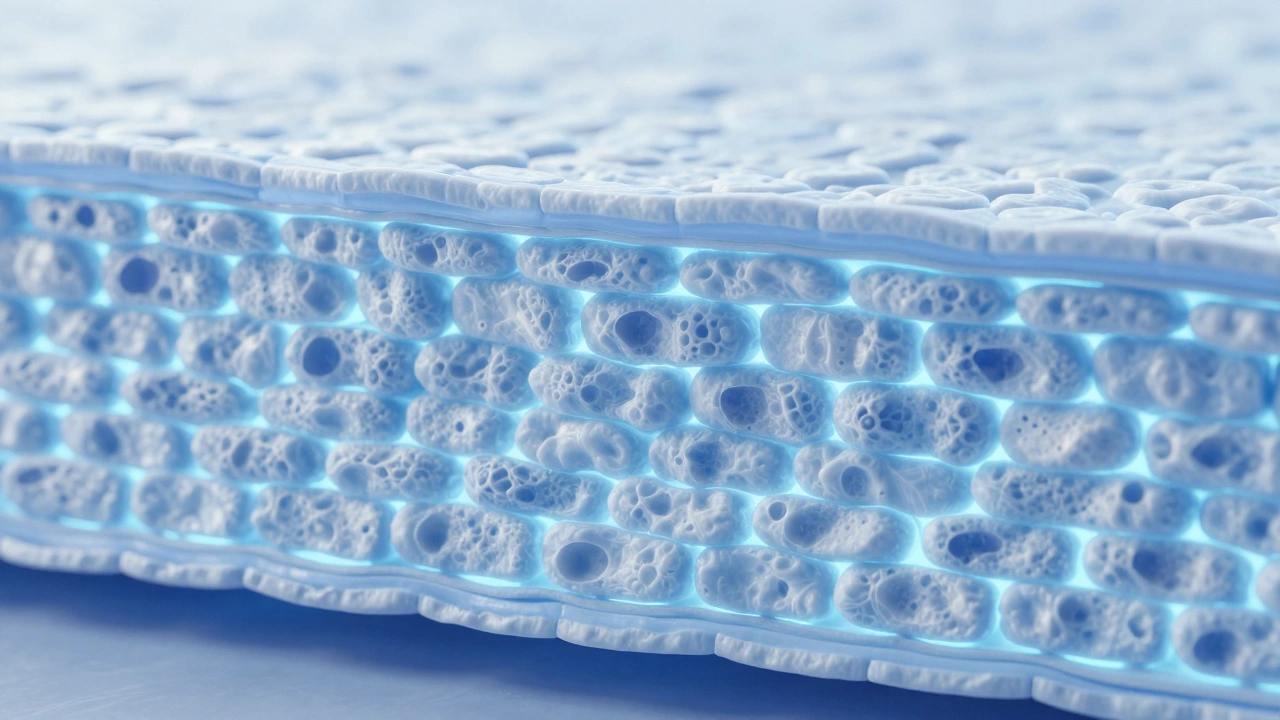
To understand why carcinoma is so prevalent, we have to look at anatomy. Your body is made of different types of tissues. You have muscle tissue, connective tissue (like bone and fat), nervous tissue, and epithelial tissue. Epithelial tissue acts as the protective lining for many surfaces. It covers your skin, lines your lungs, coats your digestive tract, and forms the ducts in your breasts and prostate.
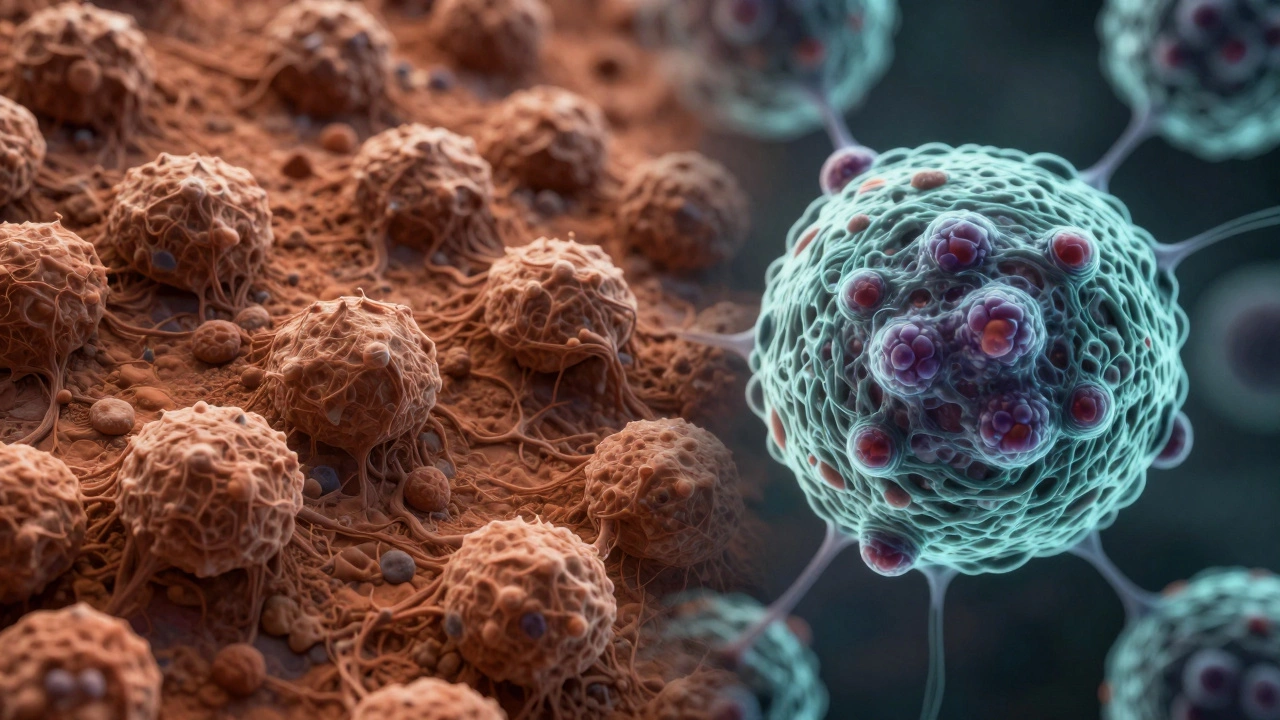
Carcinoma is cancer that originates in epithelial cells. Because epithelial cells are constantly exposed to the outside world or to waste products inside the body, they divide frequently. Every time a cell divides, there is a small chance of a genetic error. The more often cells divide, the higher the statistical risk of a mistake leading to uncontrolled growth. This is why carcinomas are far more common than sarcomas (cancers of connective tissue) or leukemias (cancers of blood-forming tissue).
Think of epithelial cells as the bricks in a wall. They are designed to be replaced regularly. When the instructions for replacement get corrupted, the wall starts growing wild and thick, eventually breaking through to nearby structures. This biological vulnerability explains the statistic: if you pick a random cancer patient, the odds are heavily stacked that their cancer started in an epithelial layer.
The Two Main Families of Carcinoma
Saying someone has "carcinoma" is like saying someone has a "vehicle." It tells you it moves, but not if it’s a truck, a sedan, or a motorcycle. Doctors classify carcinomas primarily into two families based on the specific shape and function of the original cell. These are squamous cell carcinoma is a cancer arising from flat, scale-like epithelial cells and adenocarcinoma is a cancer arising from glandular cells that produce fluids or mucus.
Squamous cell carcinoma develops in the thin, flat cells that line hollow organs and cover the surface of the body. You will find these cells in the skin, the mouth, the throat, the esophagus, the lungs, and the cervix. For example, lung cancer is often squamous cell carcinoma because the airways are lined with these protective, flat cells. Smoking damages these specific cells directly, making them a prime target for mutation.
Adenocarcinoma, on the other hand, starts in glandular cells. Glands are specialized structures that secrete substances like mucus, hormones, or enzymes. Since glands are found in almost every major organ system-including the stomach, pancreas, colon, breast, prostate, and lungs-adenocarcinoma is incredibly widespread. In fact, adenocarcinoma is the most common type of lung cancer among non-smokers, and it accounts for nearly all breast and prostate cancers.
| Feature | Squamous Cell Carcinoma | Adenocarcinoma |
|---|---|---|
| Cell Origin | Flat, scale-like epithelial cells | Glandular cells (fluid/mucus producing) |
| Common Locations | Skin, lungs, esophagus, head & neck | Breast, colon, prostate, pancreas, lungs |
| Risk Factors | UV exposure, smoking, HPV | Diet, genetics, chronic inflammation, smoking |
| Appearance | Often solid masses | May form cysts or mucous-producing structures |
Where Do These Cancers Hide?
Because epithelial tissue is everywhere, carcinomas can appear in surprising places. However, some sites are much more frequent than others. Understanding these hotspots helps in recognizing symptoms early.
- Lungs: Lung cancer is predominantly carcinoma. Whether it is squamous cell or adenocarcinoma depends on where in the lung the tumor starts. Central tumors (near the main airways) are often squamous; peripheral tumors (at the edges) are usually adenocarcinoma.
- Breast: Almost all invasive breast cancers are ductal carcinomas, meaning they start in the milk-carrying tubes. These are a form of adenocarcinoma because the ducts are glandular structures.
- Colon and Rectum: Colorectal cancer is almost exclusively adenocarcinoma. It often begins as a polyp-a small bump in the lining of the colon-that slowly mutates over years.
- Skin: While melanoma gets the most press, basal cell and squamous cell carcinomas are far more common. They result from direct UV damage to the skin’s epithelial layers.
- Prostate: Prostate cancer is typically adenocarcinoma, originating in the gland cells that produce seminal fluid.
Notice a pattern? These are all areas where cells are either secreting something or acting as a barrier. This functional role makes them biologically active and, consequently, prone to errors during replication.
Why the Specific Name Matters
You might wonder why doctors spend so much time distinguishing between squamous cell and adenocarcinoma if they are both carcinomas. The answer lies in treatment. Different subtypes respond differently to chemotherapy, radiation, and targeted therapies.
For instance, certain drugs target specific proteins found only in glandular cells. If a patient has squamous cell lung cancer, those drugs won’t work. Conversely, immunotherapy-a treatment that boosts the immune system to fight cancer-has shown remarkable success in some squamous cell cancers of the head and neck that were previously hard to treat. Knowing the exact subtype allows oncologists to choose the right weapon rather than guessing.
Furthermore, the behavior of the tumor changes. Adenocarcinomas tend to spread (metastasize) earlier than squamous cell carcinomas in some contexts, such as lung cancer. This affects staging and the urgency of intervention. A biopsy isn’t just about confirming cancer exists; it’s about mapping its identity so the treatment plan fits the puzzle piece perfectly.
From Detection to Diagnosis
How do we know if a lump is a carcinoma? It starts with imaging. CT scans, MRIs, and mammograms show masses. But images alone cannot tell us the cell type. That requires a biopsy is a medical procedure where a sample of tissue is removed for examination.
During a biopsy, a pathologist looks at the cells under a microscope. They check for architectural clues. Do the cells form glands? Then it’s likely adenocarcinoma. Are they flat and keratinizing (producing a protein found in skin)? Then it’s squamous cell carcinoma. Modern pathology also uses immunohistochemistry, where special stains highlight specific proteins. This molecular fingerprinting confirms the origin even if the tumor has spread to a distant site and lost its original shape.
Early detection remains the biggest advantage. Screening programs like colonoscopies and Pap smears are designed to catch epithelial changes before they become invasive carcinomas. By removing precancerous polyps or treating abnormal cervical cells, we prevent the majority of these cancers from ever developing.
Misconceptions About the "90 Percent" Statistic
The claim that "90 percent of cancers are carcinoma" is a helpful rule of thumb, but it requires nuance. The exact percentage varies by country, age group, and data source. In developed nations, where life expectancy is longer and lifestyle factors (like smoking and diet) play a large role, the figure hovers around 80-85%. In younger populations, other cancers like leukemia or lymphoma make up a larger share, lowering the carcinoma percentage.
Also, remember that "carcinoma" includes both in situ (non-invasive) and invasive forms. Many skin carcinomas are caught and cured early, never entering the bloodstream. When people hear "cancer," they often think of fatal, metastatic disease. But the vast majority of carcinomas, if caught early, are highly treatable. The statistic reflects prevalence, not necessarily severity.
It is also worth noting that not all epithelial cancers are called carcinomas in common parlance. Melanoma, for example, arises from pigment cells (melanocytes) in the skin, which are neural crest-derived, not typical epithelium. Thus, melanoma is excluded from the carcinoma count, despite being a skin cancer. This distinction highlights why precise terminology saves lives.
Living with a Carcinoma Diagnosis
If you or a loved one receives a diagnosis of carcinoma, the first step is education. Ask your doctor: "Is this squamous cell or adenocarcinoma?" and "What stage is it?" These two questions unlock the rest of the journey. Staging determines how far it has spread, while typing determines how to attack it.
Treatment often involves a combination of surgery, radiation, and systemic therapy. Surgery removes the primary mass. Radiation targets local cells. Systemic therapy (chemo, immunotherapy, hormone therapy) travels through the blood to catch any stray cells. Because carcinomas arise from linings and glands, they often respond well to localized treatments if caught before they breach the basement membrane-the thin barrier separating epithelium from connective tissue.
Support networks, nutritional counseling, and mental health care are integral parts of recovery. The stress of a cancer diagnosis impacts the immune system, which is your body’s natural defense against recurrence. Holistic care complements medical treatment, ensuring the whole person heals, not just the tissue.
Is carcinoma always fatal?
No. Many carcinomas, especially when detected early, are highly curable. Skin carcinomas, early-stage breast cancer, and localized prostate cancer have excellent survival rates. The key is early detection and appropriate treatment tailored to the specific subtype.
What is the difference between carcinoma and sarcoma?
Carcinoma starts in epithelial cells (lining or covering tissues), while sarcoma starts in connective tissues like bone, cartilage, fat, or muscle. Sarcomas are much rarer, accounting for less than 1% of adult cancers.
Can carcinoma spread to other parts of the body?
Yes. If carcinoma cells break away from the primary tumor, they can travel through the blood or lymph system and form new tumors elsewhere. This is called metastasis. Even then, the new tumor retains the name of the original site (e.g., lung cancer that spreads to the brain is still called lung cancer).
Why is adenocarcinoma so common?
Adenocarcinoma is common because glandular cells are present in many major organs (lungs, breasts, colon, prostate). These cells actively produce fluids and hormones, requiring frequent division, which increases the risk of genetic mutations leading to cancer.
How is carcinoma diagnosed?
Diagnosis typically involves imaging tests (CT, MRI, X-ray) to locate the tumor, followed by a biopsy. A pathologist examines the tissue sample under a microscope to determine the cell type (squamous vs. glandular) and grade (how abnormal the cells look).