What Happens If Your Heart Stops During Surgery? A Patient's Guide
 Sep, 8 2026
Surgical Heart Risk & Scenario Simulator
Use this simulator to understand how specific health factors influence your risk of Intraoperative Cardiac Arrest (IOCA) during non-cardiac surgery, or to visualize the controlled environment of planned cardiac surgery.
Risk Assessment Result
Select your parameters and click "Assess Risk Profile" to see results.
Cause: Surgical necessity (still field).
Support: Cardiopulmonary Bypass (CPB) Machine.
Duration: Predictable (60-90 mins typical).
Risk: Managed within strict protocol.
Outcome Focus: Repair completion.
Controlled EnvironmentCause: Physiological failure (bleeding, allergy, ischemia).
Support: Manual CPR + Drugs + Emergency Bypass.
Duration: Variable (seconds to hours).
Risk: High acuity, time-sensitive.
Outcome Focus: Survival & Neurological Preservation.
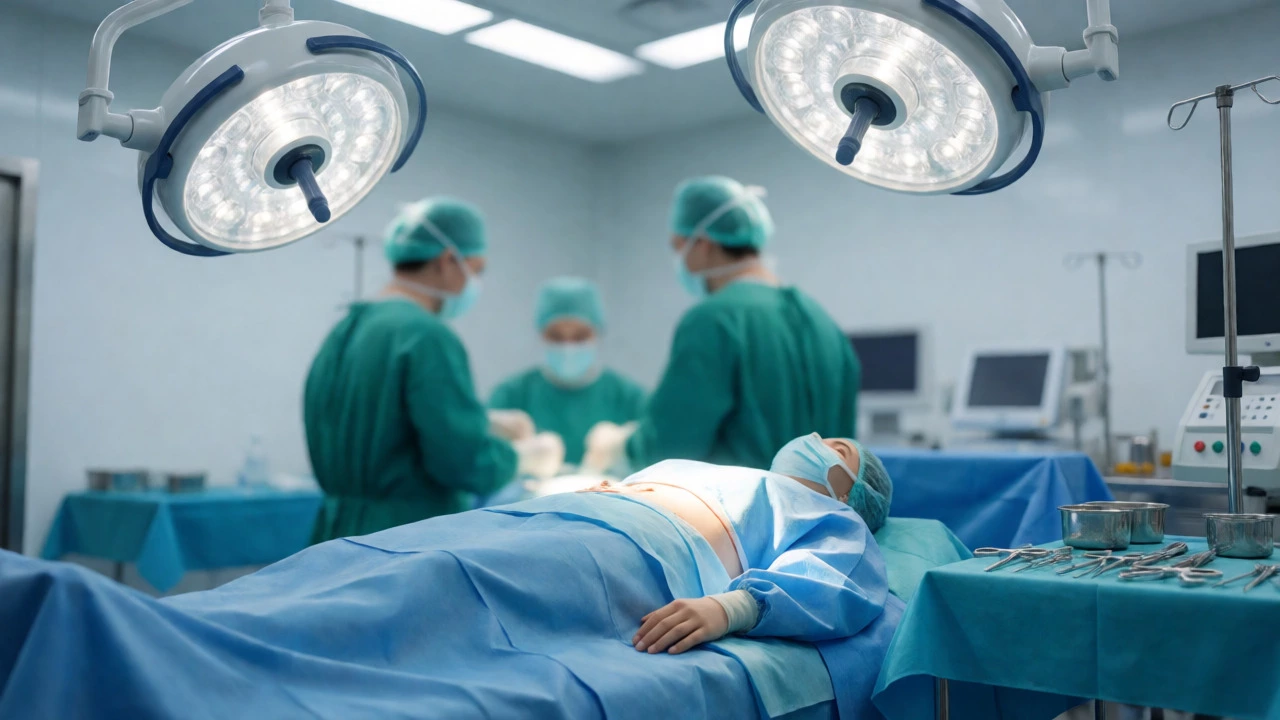
High Stress ResponseYou’re lying on the operating table. The lights are bright, the room is cold, and you’re about to go under general anesthesia. Then it hits you: what if my heart just... stops? It’s a primal fear, but here’s the twist-in many types of heart surgery, stopping your heart isn't an accident; it's part of the plan. For other surgeries, like knee replacements or appendectomies, a stopped heart is a medical emergency that requires immediate, high-stakes intervention. Let’s clear up the confusion between planned pauses and unexpected crashes, because understanding the difference changes how you view the risk.
The Planned Pause: When Stopping the Heart Is Intentional
If you are undergoing open-heart surgery, specifically procedures involving the valves or coronary arteries, surgeons often need a still target. You cannot stitch a moving object accurately. To achieve this, they use a machine called a Cardiopulmonary Bypass (CPB), a device that temporarily takes over the function of the heart and lungs during surgery. Think of it as a temporary life-support system. While the CPB circulates your oxygenated blood, the surgeon injects a solution-usually containing potassium-to induce Cardioplegia, a state where the heart muscle becomes paralyzed and stops beating to reduce metabolic demand.
In this scenario, "your heart stops" for perhaps 60 to 90 minutes. But you aren’t dead. Your brain remains perfused with oxygen-rich blood supplied by the machine. Once the repair is done, the surgeon warms the blood slightly and allows the heart to restart, sometimes using a mild electrical shock to reset the rhythm. This is controlled, monitored, and expected. The real danger lies in when the heart stops unexpectedly during non-cardiac procedures or due to complications during cardiac ones.
The Unexpected Crash: Intraoperative Cardiac Arrest
When we talk about accidental heart stopping, we refer to Intraoperative Cardiac Arrest (IOCA). This occurs when the heart ceases effective pumping while the patient is already under anesthesia for a procedure not intended to stop the heart. This happens in roughly 1 to 3 out of every 1,000 major non-cardiac surgeries. Why does it happen? Often, it’s not the surgery itself but a cascade of physiological failures. Massive blood loss can drop pressure so low the heart starves. An allergic reaction to anesthesia drugs can cause airway collapse. Or, a pre-existing condition like undiagnosed coronary artery disease might reveal itself under stress.
Unlike a sudden cardiac arrest outside the hospital, where bystanders might wait minutes for help, IOCA happens in the safest place possible. You are surrounded by experts. The moment the monitor flatlines or shows a fatal arrhythmia like Ventricular Fibrillation, a chaotic heart rhythm that prevents effective pumping., the team springs into action. There is no delay in calling for help because the help is already scrubbed in and standing right there.
The Team Response: Protocol Over Panic
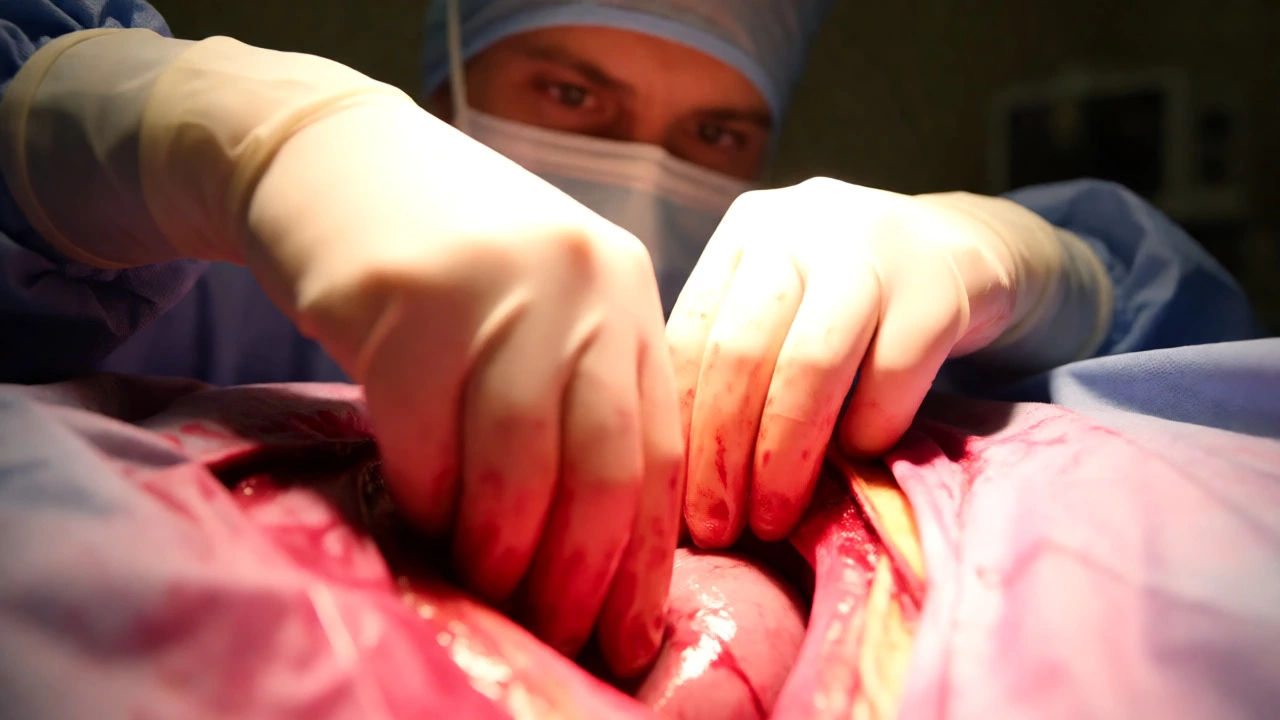
So, what actually happens in those critical seconds? The Anesthesiologist calls out the arrest. This triggers a standardized protocol known as Advanced Cardiac Life Support (ACLS), adapted for the sterile field. The surgeon immediately stops the current task. If the chest is already open, as in thoracic surgery, they may perform direct internal massage, squeezing the heart directly through the incision. This is far more effective than external chest compressions.
If the chest is closed, such as during abdominal surgery, the team performs external chest compressions carefully to avoid disrupting the surgical site. Simultaneously, the anesthesiologist administers epinephrine to stimulate the heart and checks the ventilator settings to ensure oxygen delivery hasn’t failed. They also check for reversible causes: Is there too much bleeding? Is the patient hypothermic? Did a drug dose spike? This rapid diagnostic loop usually lasts less than two minutes. If normal circulation doesn’t return quickly, the team may convert the procedure to an emergency sternotomy (opening the chest) to access the heart directly, even if the original surgery was elsewhere.
| Feature | Planned (Cardiac Surgery) | Unplanned (IOCA) |
|---|---|---|
| Cause | Surgical necessity (still field) | Physiological failure (bleeding, allergy, ischemia) |
| Support System | Cardiopulmonary Bypass Machine | Manual CPR + Drugs + Emergency Bypass |
| Duration | Predictable (e.g., 60-90 mins) | Variable (seconds to hours) |
| Risk Level | Managed within protocol | High acuity, time-sensitive |
| Outcome Focus | Repair completion | Survival and neurological preservation |
Recovery and Neurological Outcomes
The biggest worry for patients isn’t just surviving the arrest-it’s waking up intact. The brain begins to suffer damage after about four to six minutes without oxygen. However, because IOCA is detected instantly by monitors, resuscitation starts within seconds. Studies from the American Society of Anesthesiologists indicate that survival rates for intraoperative cardiac arrest are surprisingly high, often exceeding 50-70% depending on the cause. Why? Because the patient is already intubated, has IV access, and is being monitored continuously.
Neurological outcomes depend heavily on the duration of the arrest and the underlying cause. If the arrest was brief and caused by a correctable issue like a blocked tube or a drug overdose, full recovery is common. If it was due to massive hemorrhage or prolonged lack of oxygen, some cognitive deficits might occur. Post-surgery, doctors will closely monitor brain function using EEGs and clinical exams. Many patients report feeling groggy for days, which is normal due to the heavy sedation used during resuscitation, not necessarily permanent brain injury.

Who Is At Higher Risk?
Not everyone faces the same odds. Certain factors increase the likelihood of intraoperative cardiac arrest. Patients with severe Coronary Artery Disease are vulnerable because their hearts have less reserve to handle stress. Those with poor kidney function struggle to clear anesthesia drugs, leading to toxicity. Emergency surgeries carry higher risks than elective ones simply because there’s less time to optimize health beforehand.
Age plays a role, but frailty matters more. A robust 80-year-old may fare better than a frail 60-year-old with uncontrolled diabetes. Surgeons use scoring systems like the ASA Physical Status Classification to gauge these risks before booking the OR. If you fall into a high-risk category, your team might prepare extra resources-like having a bypass machine on standby or ensuring blood products are ready-to-go-before making the first incision.
Preventing the Problem Before It Starts
Prevention is the best medicine. Modern anesthesia involves rigorous pre-operative assessments. Echocardiograms and stress tests screen for hidden heart weaknesses. During surgery, invasive monitoring lines measure arterial pressure beat-by-beat, allowing anesthesiologists to catch drops in pressure before they become arrests. They adjust fluids and medications in real-time.
Communication is key. If you have a history of fainting, palpitations, or family history of sudden death, tell your anesthetist. Don’t hide symptoms. Also, follow fasting guidelines strictly. Aspiration of stomach contents into the lungs can trigger severe reactions that strain the heart. By optimizing your health weeks before surgery-controlling blood sugar, quitting smoking, managing blood pressure-you actively lower the chance of your heart hitting trouble during the operation.
Does my heart actually stop during all heart surgeries?
No. Many modern heart surgeries, such as off-pump coronary artery bypass grafting (COPABG), are performed on a beating heart using stabilizers to hold specific areas still. Additionally, minimally invasive valve repairs often keep the heart beating throughout the procedure.
How long can the heart be stopped safely during planned surgery?
With proper cardioplegia and cooling techniques, the heart can be safely stopped for several hours. However, most routine valve or bypass surgeries aim for a cross-clamp time (the period the heart is stopped) of 60 to 120 minutes to minimize tissue stress and improve recovery times.
What is the survival rate if my heart stops during non-heart surgery?
Survival rates vary by cause and institution, but generally range from 50% to 70%. This is significantly higher than out-of-hospital cardiac arrest because medical staff are present, the patient is already on oxygen support, and resuscitation begins immediately upon detection by monitors.
Will I remember anything if my heart stops?
Most patients do not recall the event because they are deeply sedated or unconscious from anesthesia. Some may have vague memories of confusion or noise upon waking, but the actual arrest and resuscitation process is typically amnesic due to the drugs administered.
Can anxiety cause my heart to stop during surgery?
Anxiety itself rarely causes cardiac arrest. However, extreme stress responses can raise blood pressure and heart rate, potentially triggering issues in people with existing severe heart conditions. Pre-medication with anti-anxiety drugs helps mitigate this physiological load before induction.