What Drink Lowers Blood Sugar? Top Choices for Diabetes Management
 Sep, 1 2026
Diabetes-Friendly Beverage Selector
Select a drink from the options below to learn about its benefits, best consumption time, and active compounds for managing glucose levels.
Apple Cider Vinegar
Before MealsGreen Tea / Matcha
Morning/AfternoonCinnamon Infusion
With/After MealsFenugreek Water
Empty StomachPlain Water
All DaySugary Drinks
Juice/SodaClick on a beverage above to see details.
You’re sitting at your desk, feeling that familiar mid-afternoon slump. Your energy dips, maybe you feel a bit foggy, and you reach for the nearest bottle of juice or soda to perk up. But if you have diabetes or are watching your glucose levels, that sweet sip can trigger a rapid spike in blood sugar, followed by an even harder crash. The question isn’t just about avoiding bad choices; it’s about finding active helpers. What drink lowers blood sugar effectively without adding empty calories?
The short answer is water, but that’s boring and doesn’t tell you how to manage your health with flavor. The real magic lies in specific compounds found in teas, vinegars, and certain plant-based infusions that influence how your body processes insulin and glucose. Let’s break down which beverages actually work, why they work, and how to fit them into your daily routine.
Why Hydration Matters More Than You Think
Before we get to the fancy herbal remedies, let’s talk about the basics. When your blood sugar gets too high, your kidneys try to flush out the excess glucose through urine. This process pulls water from your tissues, leading to dehydration. If you’re dehydrated, your blood volume decreases, making the concentration of glucose in your blood appear higher than it might otherwise be. It’s a vicious cycle.
Water is the most effective tool because it helps your kidneys filter out excess sugar without adding any carbohydrates. Drinking plain water throughout the day keeps your blood viscosity lower and supports efficient kidney function. However, many people find plain water uninspiring. That’s where functional beverages come in. These aren’t just thirst-quenchers; they contain bioactive compounds that interact with your metabolic system.
Apple Cider Vinegar: The Acidic Helper
If you’ve browsed health forums, you’ve likely seen apple cider vinegar (ACV) touted as a miracle cure. It’s not a miracle, but the science behind it is solid. ACV contains acetic acid, which has been shown to slow down the rate at which food leaves your stomach (gastric emptying). When food stays in your stomach longer, glucose enters your bloodstream more slowly, preventing sharp spikes after meals.
A study published in Diabetes Care suggested that consuming two tablespoons of apple cider vinegar before a high-carb meal could improve insulin sensitivity significantly. For someone managing type 2 diabetes, this means better control over post-meal glucose readings.
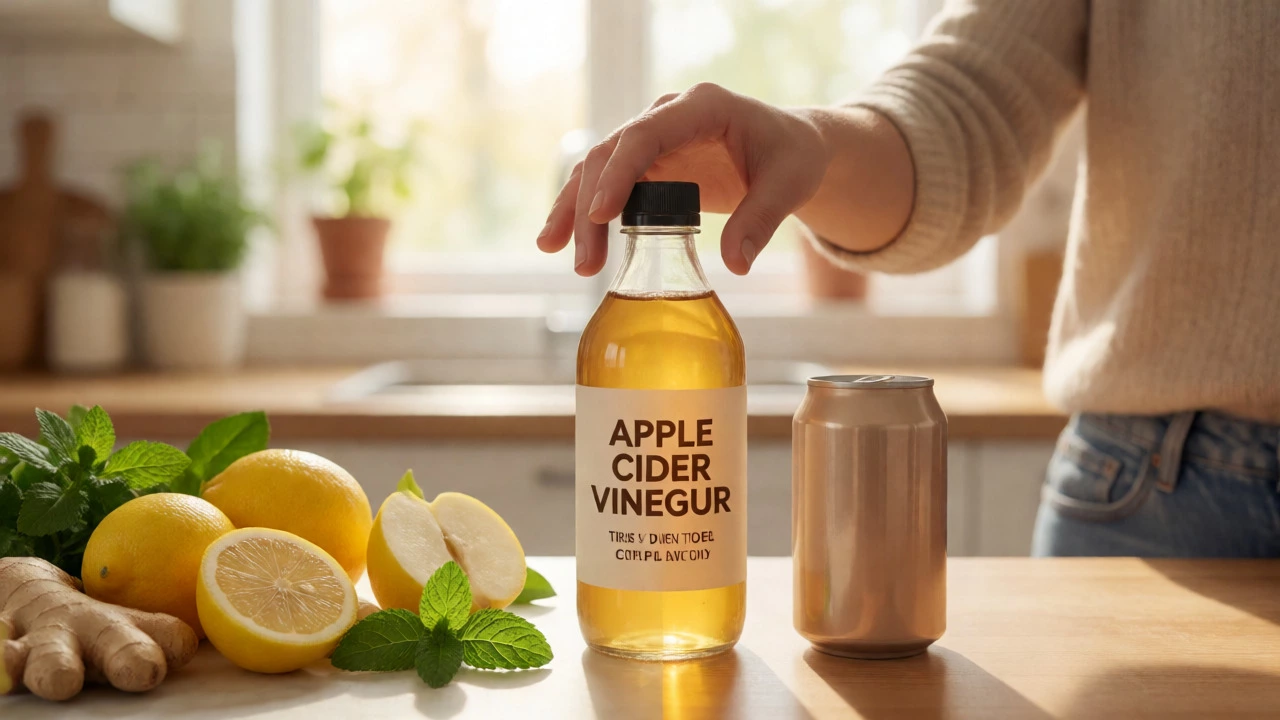
How to drink it: Never drink straight vinegar-it can erode tooth enamel and irritate your throat. Mix one to two teaspoons of raw, unfiltered apple cider vinegar into a large glass of water. Add a squeeze of lemon or a drop of stevia if the taste is too harsh. Drink this about 15-20 minutes before your main meal.
Green Tea and Matcha: Antioxidant Powerhouses
Green tea is rich in polyphenols, particularly epigallocatechin gallate (EGCG). EGCG is a powerful antioxidant that may help protect cells from damage and improve insulin sensitivity. Regular consumption of green tea has been linked to a reduced risk of developing type 2 diabetes and lower fasting blood sugar levels in those who already have it.
Matcha, a powdered form of green tea, offers a more concentrated dose of these benefits because you consume the entire leaf rather than just an infusion. However, matcha also contains caffeine. While moderate caffeine intake is generally safe, some individuals find that stress hormones triggered by caffeine can temporarily raise blood sugar. Monitor your own response. If you notice jitteriness or glucose spikes after drinking strong coffee, switch to decaffeinated green tea or limit matcha to earlier in the day.
Cinnamon Infusions: Spice Up Your Glucose Control
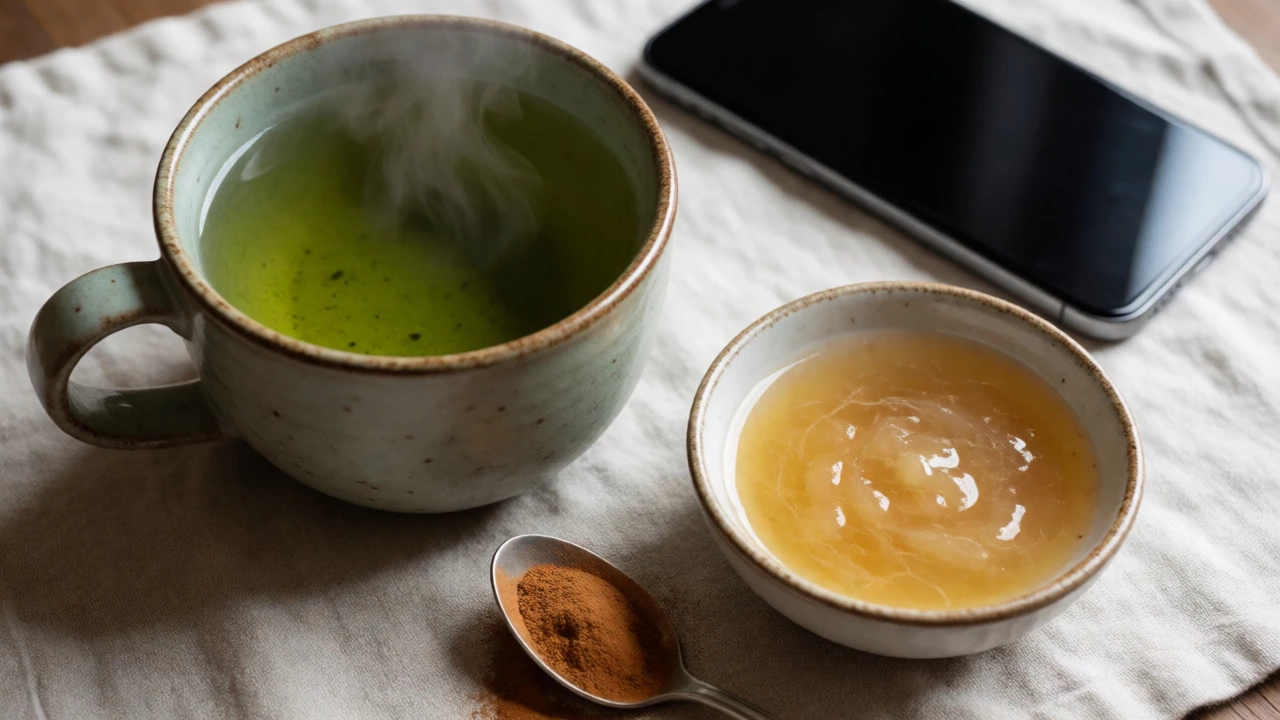
Cinnamon isn’t just for holiday lattes. Cinnamon has been studied extensively for its ability to mimic insulin and increase glucose uptake by cells. Specifically, cassia cinnamon contains cinnamaldehyde, which may activate pathways that help move sugar from your blood into your muscles.
You don’t need to eat sticks of cinnamon. Make a simple infusion by steeping a cinnamon stick in hot water for ten minutes. Strain it out and enjoy it warm or cold. Some people add a pinch of turmeric for extra anti-inflammatory benefits. Note that while cinnamon is helpful, it shouldn’t replace prescribed medication. Think of it as a supportive layer in your management strategy.
Fenugreek Water: The Fiber Boost
Fenugreek seeds are a staple in Indian cuisine and traditional medicine. They are high in soluble fiber, which slows down digestion and carbohydrate absorption. Soaking fenugreek seeds overnight and drinking the water (and eating the softened seeds) in the morning can lead to noticeable improvements in fasting blood glucose levels.
The mechanism here is physical as much as chemical. The gel-like substance formed by the soaked seeds coats the lining of the stomach and intestines, slowing the breakdown of starches into sugars. This results in a gentler rise in blood glucose after eating. If you dislike the slightly bitter, maple-syrup-like taste of fenugreek, start with a small amount of seeds and gradually increase.
| Drink | Key Active Compound | Best Time to Consume | Primary Benefit |
|---|---|---|---|
| Apple Cider Vinegar | Acetic Acid | Before meals | Slows gastric emptying; improves insulin sensitivity |
| Green Tea / Matcha | EGCG (Polyphenols) | Morning or afternoon | Antioxidant support; modest reduction in fasting glucose |
| Cinnamon Tea | Cinnamaldehyde | With or after meals | Mimics insulin activity; aids glucose uptake |
| Fenugreek Water | Soluble Fiber | On an empty stomach | Delays carbohydrate absorption |
| Plain Water | H2O | All day | Prevents dehydration-induced hyperglycemia |
Drinks to Avoid: The Hidden Spikers
Knowing what to drink is half the battle; knowing what to avoid is the other half. Fruit juices, even those labeled "100% natural," are often problematic. When you juice fruit, you strip away the fiber that normally slows down sugar absorption. A glass of orange juice hits your bloodstream almost as fast as a soda. If you love fruit, eat the whole apple or orange instead of drinking its liquid form.
Also, watch out for "diet" sodas. While they lack sugar, some studies suggest that artificial sweeteners like aspartame or sucralose might alter gut bacteria in ways that affect insulin response. Everyone reacts differently, so test your blood sugar after drinking diet soda to see if it triggers a reaction for you. Alcohol is another tricky category. Dry wines and spirits mixed with zero-calorie mixers are safer bets than sugary cocktails or beer, which can cause unpredictable swings.
Practical Tips for Integration
Changing your beverage habits doesn’t happen overnight. Start small. Replace one sugary drink per day with a beneficial alternative. Maybe swap your morning coffee creamer for a splash of almond milk and a dash of cinnamon. Or, keep a bottle of diluted apple cider vinegar on your dining table as a reminder to take a sip before eating.
Consistency matters more than intensity. Drinking three cups of green tea every day will yield better long-term results than drinking five cups once a week. Also, always check with your healthcare provider before making significant changes, especially if you are on medications like metformin or insulin. Certain supplements, including high doses of cinnamon or fenugreek, can enhance the effects of medication, potentially leading to hypoglycemia (low blood sugar).
Final Thoughts on Beverage Choices
Your choice of drink plays a subtle but significant role in your overall glycemic control. Water remains king, but functional beverages like apple cider vinegar, green tea, and cinnamon infusions offer tangible metabolic benefits. They provide antioxidants, fiber, and acids that help regulate how your body handles glucose. By choosing these options over sugary juices and sodas, you reduce the burden on your pancreas and stabilize your energy levels throughout the day.
Remember, no single drink cures diabetes. These beverages are tools in your toolkit, supporting a broader lifestyle approach that includes balanced nutrition, regular movement, and proper medical care. Listen to your body, monitor your numbers, and adjust accordingly.
Can drinking water really lower blood sugar?
Yes, indirectly. Water helps your kidneys remove excess glucose through urine. Staying hydrated prevents the concentration of blood sugar from rising due to dehydration, which is common when glucose levels are high.
Is apple cider vinegar safe for everyone with diabetes?
For most people, yes, when diluted properly. However, it can interact with certain medications, such as diuretics and insulin. Always consult your doctor before adding ACV to your routine, especially if you have gastroparesis (delayed stomach emptying), as ACV can worsen this condition.
Does green tea lower blood sugar immediately?
No, green tea is not a quick fix for immediate spikes. Its benefits are cumulative and related to improved insulin sensitivity over time. It works best as part of a consistent daily habit rather than an emergency remedy for a sudden high reading.
Are artificial sweeteners bad for blood sugar?
The evidence is mixed. While they don't contain sugar, some research suggests they may affect gut microbiome health and insulin response in some individuals. Stevia and monk fruit are generally considered safer alternatives to aspartame or sucralose for those concerned about glucose impact.
How much cinnamon should I consume daily?
Studies typically use between 1 to 6 grams of cinnamon powder per day. Starting with half a teaspoon (approx. 1-2 grams) is a safe way to introduce it. Cassia cinnamon is potent, so sticking to smaller amounts avoids potential liver stress from coumarin content.