Understanding the Ayurvedic Diet: Eating for Your Dosha
 Apr, 7 2026
Ayurvedic Dosha Diet Finder
Select the description that best matches your current physical and mental state to see your ideal dietary guidelines.
Vata
Thin build, fast-moving, prone to anxiety, dry skin, and erratic digestion.
Pitta
Athletic, ambitious, strong appetite, prone to overheating and irritability.
Kapha
Sturdy build, calm, loyal, slow metabolism, and prone to lethargy.
Recommendations
Foods to Favor
Foods to Limit
The Core Logic of Doshas
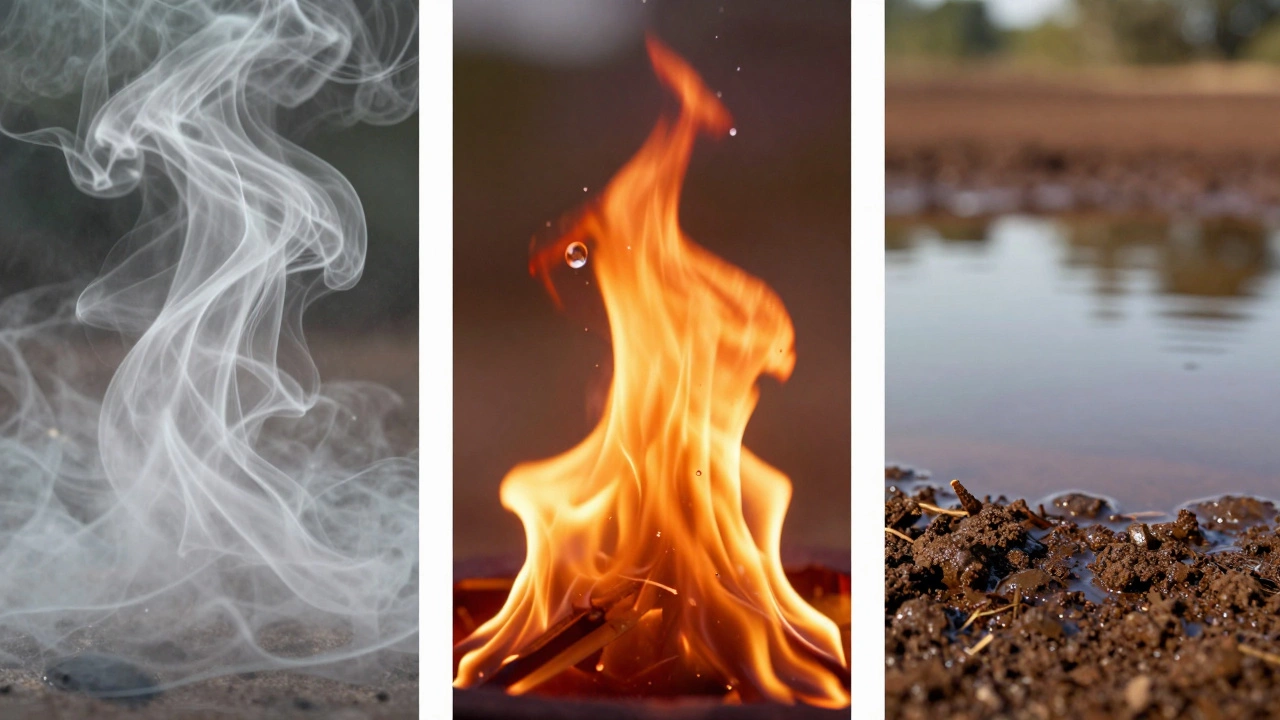
To get a grip on an Ayurvedic diet, you first have to understand Doshas are the three functional energies-Vata, Pitta, and Kapha-that govern our physical and mental constitutions. Everyone has a unique blend of all three, but usually, one or two dominate. When these energies are in balance, you feel energetic and clear-headed. When they are off, you might deal with everything from insomnia to digestive issues. Think of your dosha as your internal weather system. If you have a 'fiery' constitution and you eat spicy peppers in the middle of a heatwave, you are essentially adding fuel to a fire. That is why the goal here is balance, not perfection.Vata: The Energy of Movement
Vata is the dosha associated with air and ether, governing movement, circulation, and creativity. If you are a Vata type, you might be thin, move quickly, and struggle with anxiety or dryness. Your digestion is often erratic-some days you forget to eat, other days you can't stop. To ground a Vata energy, you need warmth and stability. Raw vegetables are usually a bad move because they are cold and hard to digest, which can lead to gas and bloating. Instead, go for cooked root vegetables, warm soups, and healthy fats like Ghee. Imagine a warm bowl of kitchari-a traditional porridge of mung beans and rice-on a rainy afternoon. That is exactly what a Vata body craves to feel secure.Pitta: The Energy of Transformation
Pitta is the dosha linked to fire and water, responsible for digestion, metabolism, and body temperature. Pitta types are often athletic, ambitious, and have a strong appetite. However, they are prone to overheating, inflammation, and irritability (the classic 'hangry' feeling). Since Pitta is already hot, the goal is to cool things down. This means leaning into sweet, bitter, and astringent tastes. Fresh cucumbers, melons, and coconut water are gold for Pittas. You'll want to avoid heavy chilies, vinegar, and overly salty foods, as these can trigger acid reflux or skin rashes. If you've ever noticed that you get a breakout after a spicy Thai curry, your Pitta might be screaming for some cooling cilantro and lime.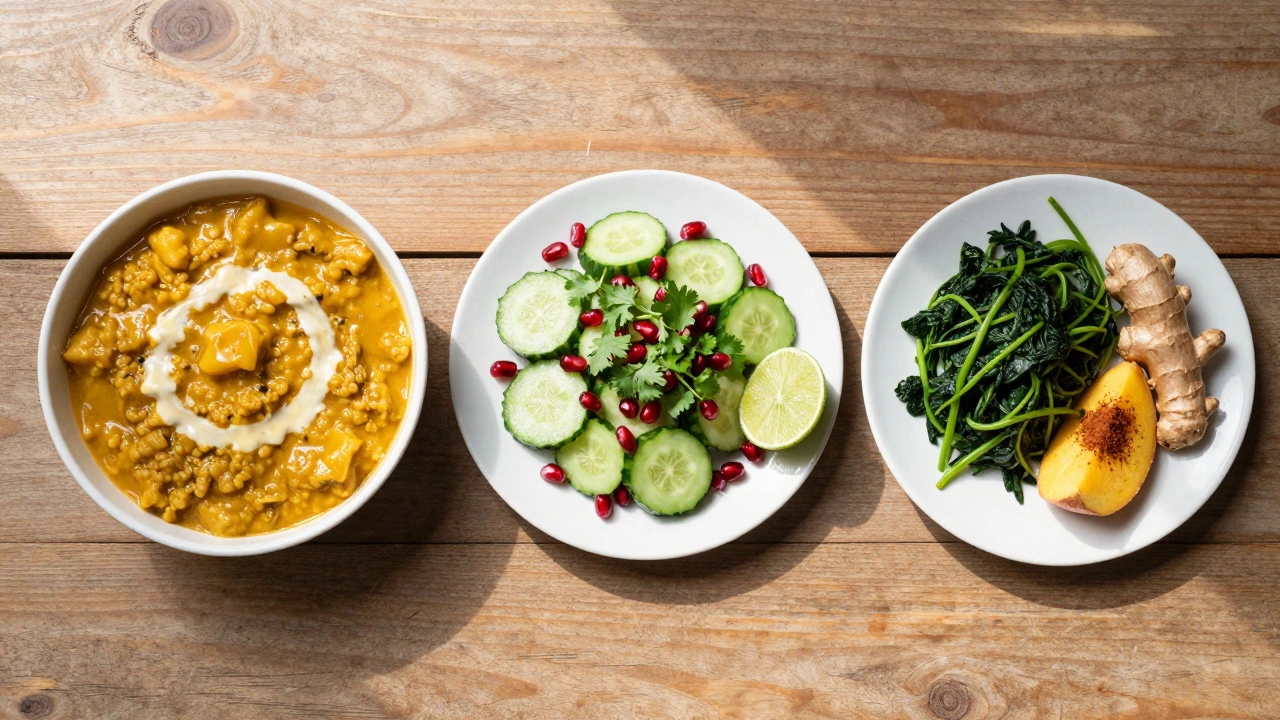
Kapha: The Energy of Structure
Kapha is the dosha formed from earth and water, providing the body with strength, stability, and lubrication. Kapha types tend to be sturdy, calm, and loyal, but they can struggle with lethargy, weight gain, and congestion. Their metabolism is slower than the other two, meaning they can feel heavy after a big meal. To wake up a Kapha system, you need stimulation and lightness. Spicy foods, bitter greens, and astringent flavors are your best friends. Focus on steamed vegetables and lean proteins. Avoid heavy dairy and excessive sweets, which can make you feel like you need a three-hour nap immediately after lunch. Instead of a heavy bagel for breakfast, try a piece of fruit with a pinch of cinnamon to kickstart your metabolism.| Dosha | Key Attributes | Foods to Favor | Foods to Limit | Ideal Taste |
|---|---|---|---|---|
| Vata | Cold, Dry, Light | Cooked grains, Avocado, Stews | Raw salads, Ice cream, Crackers | Warm, Sweet, Salty |
| Pitta | Hot, Sharp, Oily | Leafy greens, Pears, Coconut | Chili, Garlic, Fried foods | Cool, Sweet, Bitter |
| Kapha | Heavy, Damp, Slow | Ginger, Apples, Legumes | Cheese, White bread, Sugar | Pungent, Bitter, Astringent |
The Six Tastes of Ayurveda
In a standard Western diet, we talk about flavors. In an Ayurvedic diet, we talk about tastes, or 'Rasas'. To feel truly satisfied and prevent cravings, a meal should ideally incorporate all six of these tastes:- Sweet: Found in grains, fruits, and root vegetables. It provides grounding and building energy.
- Sour: Found in citrus, fermented foods, and yogurt. It stimulates digestion.
- Salty: Found in sea salt and seaweed. It helps with water retention and lubrication.
- Pungent: Found in ginger, garlic, and raw onions. It clears the sinuses and boosts metabolism.
- Bitter: Found in kale, turmeric, and coffee. It detoxifies the liver and blood.
- Astringent: Found in beans, lentils, and pomegranate. It dries excess moisture and firms tissues.

The Role of Agni and Digestion
One of the biggest mistakes people make is focusing only on *what* they eat and ignoring *how* they digest it. Agni is the biological fire responsible for breaking down food and absorbing nutrients. If your Agni is low, even a bowl of organic quinoa can become 'Ama'-a toxic, sticky residue that clogs your channels and makes you feel foggy. To keep your Agni strong, avoid drinking ice-cold water with meals, as it's like pouring water on a campfire. Instead, sip warm water or ginger tea. Also, try to eat your largest meal when the sun is highest (around noon), because your internal digestive fire is strongest at that time.Practical Steps for Your First Week
Switching to an Ayurvedic approach doesn't mean you have to move to a cave in India. You can start with small, mindful shifts in your current routine:- Observe your cravings: If you're craving something salty and warm, your Vata might be high. If you're craving something cold and sweet, your Pitta is likely peaking.
- Start your day with warm water: A glass of warm water with lemon helps flush out Ama and wakes up your Agni.
- Eat in a calm environment: Digestion begins in the mind. If you eat while scrolling through emails, your body stays in 'fight or flight' mode, which shuts down proper nutrient absorption.
- Sip Ghee: Incorporate Ghee is clarified butter that is highly prized in Ayurveda for its ability to carry nutrients deep into the tissues without aggravating Pitta. into your cooking to lubricate the digestive tract.
Common Pitfalls to Avoid
Many people fall into the trap of treating a dosha like a permanent label. You aren't just 'a Vata' for life. Your balance shifts based on the season. In the winter, we all tend to become more Vata (dry and cold), meaning we all need more warm, grounding foods. In the summer, we all drift toward Pitta, requiring more cooling foods. Another mistake is over-restricting. If you are a Kapha and you cut out all fats entirely, you might crash your hormone production. The goal is modulation, not elimination. Use the tastes to balance the energy, not to punish the body.Can I follow an Ayurvedic diet if I am vegan?
Yes, absolutely. While traditional Ayurveda uses Ghee and dairy, you can substitute them with coconut oil or almond butter. The key is matching the quality of the substitute to your dosha. For example, coconut oil is cooling (great for Pitta), while almond butter is more grounding (great for Vata).
How do I know which dosha I am?
You can take online quizzes, but the most accurate way is to observe your physical and mental traits. Do you have dry skin and a fast mind (Vata)? Do you have a strong appetite and a short temper (Pitta)? Or are you naturally calm with a slow metabolism (Kapha)? A professional Ayurvedic practitioner can provide a detailed 'Prakriti' analysis.
Is the Ayurvedic diet safe for everyone?
For most, it's very safe because it's based on whole foods. However, if you have chronic kidney disease or are on blood thinners, you should consult a doctor before significantly increasing your intake of certain herbs or high-potassium greens.
Why does Ayurveda emphasize warm food over raw food?
Raw food requires more 'digestive fire' (Agni) to break down. For many people, especially those with Vata or Kapha types, raw vegetables can be too taxing on the system, leading to bloating and poor nutrient absorption. Cooking food 'pre-digests' it, making it easier for your body to use.
What is kitchari and why is it recommended?
Kitchari is a one-pot meal made from basmati rice and split mung beans. It is highly recommended because it is incredibly easy to digest, providing complete protein and carbohydrates without stressing the gut. It's often used as a 'reset' meal during detoxes to allow the Agni to recover.