Total Knee Replacement Pain Timeline: When Does It Stop Hurting?
 Aug, 14 2026
Total Knee Replacement Recovery Estimator
Your Profile
Check any that apply to you:
Recovery Analysis
Key Focus for This Stage:
- Keep pain low enough to perform basic physical therapy movements.
- Use multimodal analgesia (nerve blocks, NSAIDs) as prescribed.
- Early mobilization is critical to prevent blood clots.
Upcoming Milestones
Waking up after total knee replacement is a surgical procedure to replace damaged knee joint surfaces with artificial implants and realizing your leg feels like it’s been run over by a truck is a universal experience. You signed up for the freedom of movement, not three weeks of constant throbbing. The burning question on every patient's mind isn't just "will it work?" but rather, "when will this stop hurting?"
The honest answer is that pain doesn't vanish overnight. It follows a predictable curve. Most patients see a dramatic drop in acute pain within the first two weeks, but true comfort-where you forget you have metal in your leg-usually takes three to six months. Understanding this timeline helps you manage expectations and avoid panic when a flare-up hits during week four.
The First 72 Hours: The Acute Phase
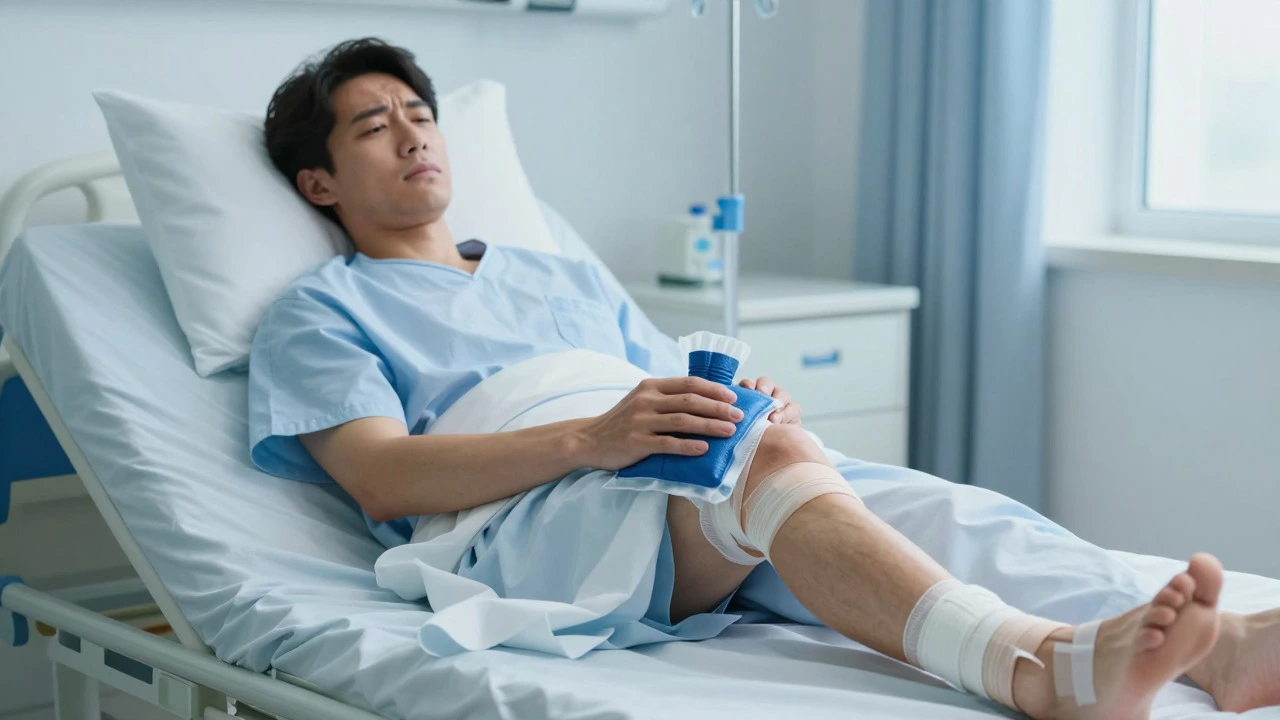
The first three days are the hardest. Your body is reacting to significant tissue trauma. Surgeons cut through skin, muscle, and bone to insert the implant. This triggers an intense inflammatory response. During this phase, pain is sharp, localized, and often described as a deep ache or burning sensation around the incision site.
Hospitals typically use multimodal analgesia to keep you manageable. This means combining different types of painkillers so they attack pain from multiple angles. You might receive nerve blocks, which numb the entire leg for 12 to 24 hours, along with oral medications like acetaminophen and NSAIDs (non-steroidal anti-inflammatory drugs). Opioids are used sparingly now due to side effects like nausea and constipation, but they may still be prescribed for breakthrough pain.
- Pain Level: High (7-8 out of 10) when medication wears off.
- Sensation: Sharp, throbbing, swollen.
- Goal: Keep pain low enough to perform basic physical therapy movements.
Don't fight the urge to move. While it hurts, early mobilization prevents blood clots and stiffness. If you stay in bed because it hurts, the pain actually increases due to swelling and muscle guarding.
Weeks 1 to 2: The Swelling Battle
By the time you get home, the surgical wound is closing, but the internal damage is still healing. This is where many patients feel discouraged. The initial adrenaline of being discharged fades, and reality sets in. You’re sitting at home, and your knee looks like a balloon. This swelling is normal, but it causes pressure pain.
The pain shifts from sharp surgical pain to a duller, achier discomfort. It spikes after physical therapy sessions. This is expected. Think of physical therapy as working out a muscle that has been asleep; it’s supposed to hurt slightly. However, there’s a difference between "good pain" (muscle soreness) and "bad pain" (sharp, stabbing sensations).
| Phase | Primary Pain Type | Recommended Action | Medication Focus |
|---|---|---|---|
| Days 1-3 | Acute Surgical Pain | Ice, Elevation, Rest | Nerve Blocks, Opioids (short-term) |
| Weeks 1-2 | Inflammatory/Swelling Pain | Frequent Ice, Gentle Movement | NSAIDs, Acetaminophen |
| Weeks 3-6 | Muscle Soreness/Stiffness | Aggressive PT, Heat/Ice | Acetaminophen, Occasional NSAID |
| Months 2-6 | Activity-Related Discomfort | Gradual Load Increase | Minimal to None |
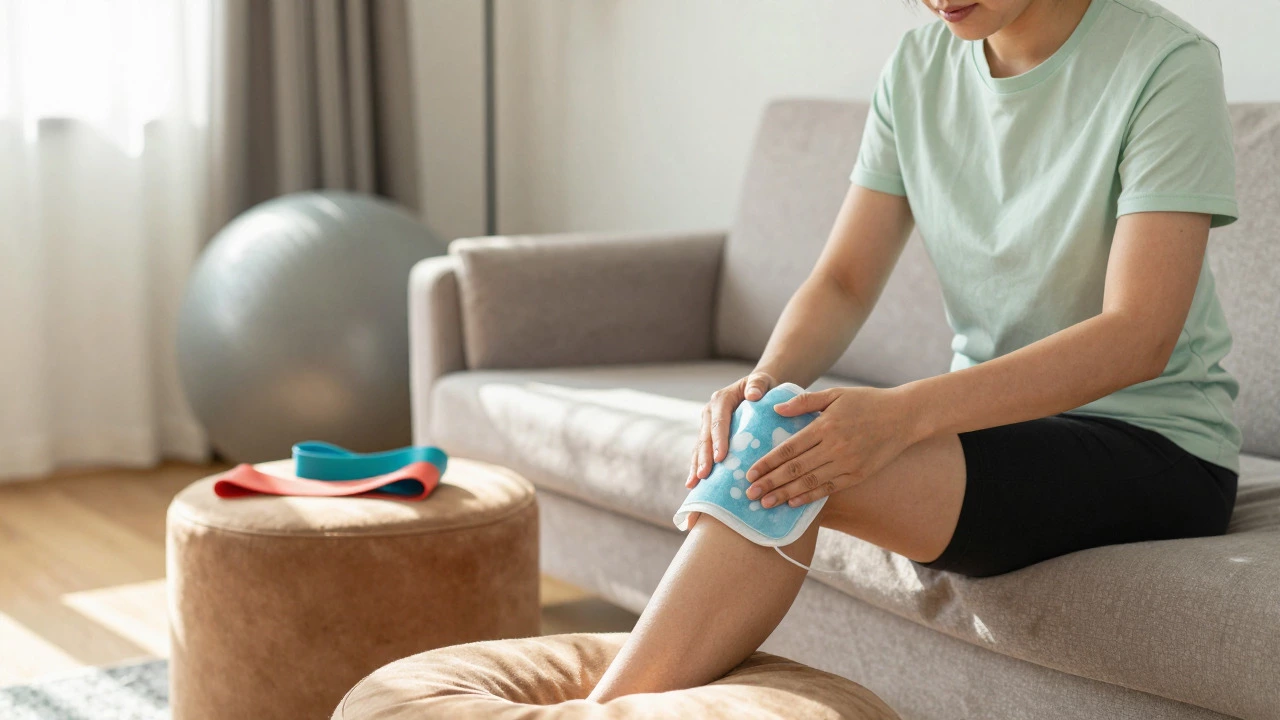
Cold therapy is your best friend here. Apply ice packs for 20 minutes every hour while awake. Compression stockings help reduce fluid buildup. If your pain suddenly shoots up beyond your baseline, check for signs of infection: redness spreading from the incision, fever over 101°F (38.3°C), or excessive drainage.
Weeks 3 to 6: The Stiffness Plateau
This is often the most frustrating period. The sharp pain is gone, but your knee feels stiff and tight. You might notice that bending it past 90 degrees feels impossible without a grinding sensation or resistance. This isn't necessarily bad pain; it's scar tissue forming. Scar tissue is less elastic than healthy tissue, so it resists stretching.
Your pain level should drop to a manageable 3 or 4 out of 10. You’ll likely wean off prescription opioids by now, relying instead on over-the-counter options. The goal shifts from "surviving" to "functioning." You want to walk without a limp and sleep through the night without waking up to adjust your leg position.
If you hit a wall where your range of motion stops improving, don't wait. Call your surgeon or physical therapist. Early intervention for arthrofibrosis (excessive scar tissue) can prevent long-term stiffness. Sometimes, a manipulation under anesthesia is needed, but this is rare if you’ve been diligent with exercises.
Months 2 to 3: The Turning Point
Here’s the good news: by month two, most patients report feeling significantly better. The constant awareness of your knee begins to fade. You might catch yourself walking down stairs and forgetting which leg is the new one. The pain becomes intermittent, occurring only after heavy activity or prolonged standing.
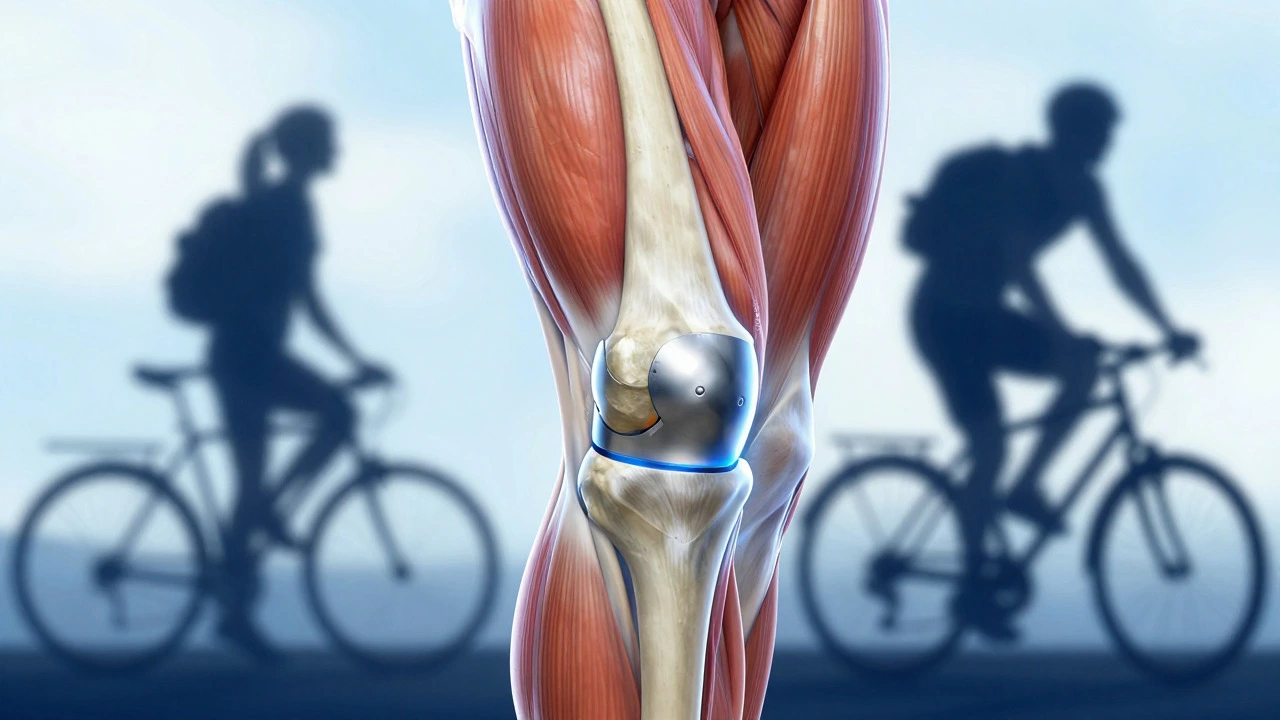
This is when you start reintroducing low-impact activities. Swimming, cycling, and elliptical training are excellent choices. These activities strengthen the quadriceps and hamstrings without pounding the joint. Strong muscles act as shock absorbers, reducing stress on the implant and minimizing pain.
A study published in the *Journal of Arthroplasty* noted that 85% of patients achieve satisfactory pain relief by three months. However, "satisfactory" varies. For some, it means no pain at rest. For others, it means mild discomfort during high-intensity exercise. Both are normal outcomes.
Months 4 to 6: Long-Term Comfort
By six months, the bone has fully integrated with the implant (a process called osseointegration). Soft tissues have healed, and scar tissue has matured and softened. At this stage, any remaining pain is usually minor and related to weather changes or overuse.
About 10% to 15% of patients report persistent mild pain. This doesn't mean the surgery failed. It could be due to pre-existing nerve damage, complex regional pain syndrome (CRPS), or unrealistic expectations. If you still have significant pain after six months, further investigation is warranted to rule out loosening, infection, or malalignment.
Most people return to hiking, golf, and dancing during this window. High-impact sports like running and jumping are generally discouraged to preserve the lifespan of the implant, but light jogging on soft surfaces is sometimes permitted depending on the surgeon's protocol.
Factors That Influence Your Pain Timeline
Not everyone heals at the same speed. Several variables can accelerate or delay your recovery:
- Age: Younger patients often heal faster but may have higher activity demands, leading to more perceived discomfort during rehab.
- Weight: Higher BMI increases stress on the new joint, potentially prolonging inflammation and pain.
- Pre-Surgery Fitness: Patients who strengthen their legs before surgery (pre-habilitation) recover quicker and experience less post-op pain.
- Smoking: Nicotine constricts blood vessels, slowing blood flow to the surgical site and delaying healing.
- Diabetes: Poorly controlled blood sugar impairs immune function and wound healing, increasing infection risk and pain duration.
If you smoke, quit now. Even stopping a few weeks before surgery improves outcomes. If you're overweight, even a small loss of 5-10 pounds reduces the load on your knee by 20 pounds per step.
When to Worry: Red Flags vs. Normal Healing
Pain is subjective, but certain symptoms indicate complications. Don't brush these off as "part of the process":
- Constant Fever: A low-grade fever (under 100.4°F) can be normal for the first few days due to inflammation. Persistent fever above 101°F suggests infection.
- Redness and Warmth: Some redness around the incision is normal. Spreading redness, especially if accompanied by warmth, indicates cellulitis or deeper infection.
- Swelling That Won’t Go Down: Mild swelling persists for months. Significant, sudden swelling after improvement could signal a blood clot (DVT) or hemarthrosis (bleeding into the joint).
- Calf Pain: Pain in the calf muscle, especially with tenderness or discoloration, is a classic sign of DVT. Seek emergency care immediately.
- Instability: Feeling like your knee is giving way repeatedly may indicate ligament imbalance or component loosening.
Trust your instincts. If something feels wrong, call your surgeon. It’s better to be cautious than to miss a serious complication.
Tips to Speed Up Pain Relief
You can actively influence your recovery trajectory. Here’s how:
- Stick to Physical Therapy: Consistency is key. Do your exercises daily, even on days you don't feel like it. Skipping sessions leads to stiffness, which causes more pain later.
- Use Ice Religiously: Keep ice packs ready. Use them after every PT session and before bed to reduce nighttime swelling.
- Elevate Properly: Prop your leg up so your ankle is higher than your knee, and your knee is higher than your heart. This uses gravity to drain fluid.
- Stay Hydrated: Dehydration worsens muscle cramps and slows healing. Aim for 8-10 glasses of water a day.
- Manage Stress: Anxiety amplifies pain perception. Practice deep breathing, meditation, or gentle yoga to calm your nervous system.
- Optimize Sleep: Pain disrupts sleep, and lack of sleep lowers pain tolerance. Create a comfortable sleeping position with pillows under your knee (only if approved by your surgeon, as some advise against prolonged flexion).
Recovery is a marathon, not a sprint. Be patient with your body. Celebrate small victories, like tying your shoes without assistance or walking to the mailbox without a cane. These milestones add up to a life free from chronic knee pain.
How long does severe pain last after total knee replacement?
Severe pain typically lasts for the first 3 to 7 days post-surgery. After this initial acute phase, pain transitions to a moderate, manageable level that gradually decreases over the next 2 to 6 weeks. By week 3, most patients are off strong opioids and managing with over-the-counter medications.
Is it normal to still have pain 3 months after knee replacement?
Yes, mild to moderate pain can persist at 3 months, especially after increased activity. However, sharp, constant, or worsening pain at this stage should be evaluated by your surgeon to rule out complications like infection, loosening, or stiffness. Most patients report significant improvement by this point.
What causes pain during the second week of recovery?
Pain in the second week is often due to swelling and inflammation as you become more active. Physical therapy stretches tight muscles and breaks up early scar tissue, which can cause temporary soreness. This is considered "good pain" if it subsides with rest and ice.
Can weather affect my knee replacement pain?
Many patients report increased pain or stiffness during cold, damp, or low-pressure weather systems. While scientific evidence is mixed, barometric pressure changes can cause tissues to expand slightly, putting pressure on nerves. Keeping warm and staying active can help mitigate these effects.
When can I stop taking pain medication completely?
Most patients taper off prescription painkillers within 2 to 4 weeks. Over-the-counter medications like acetaminophen or ibuprofen may be used intermittently for several months, particularly after strenuous activity. Always follow your surgeon's guidance on discontinuing medications.