The Deadliest Cancers: Understanding the Most Aggressive Types
 Apr, 28 2026
Cancer Lethality & Survival Comparison Tool
Select Cancer Type
Click a type to analyze its specific challenges and typical 5-year survival stats.
Pancreatic Cancer
The pancreas is deep in the abdomen, making tumors hard to find until they spread.
Note: Survival rates are generalized based on article data. Early detection (Stage I) significantly increases these percentages, often exceeding 80-90% for some types.
Key Facts About High-Mortality Cancers
- Pancreatic cancer remains the hardest to treat due to late detection.
- Lung cancer causes the highest total number of deaths annually.
- Liver cancer often appears as a result of long-term organ damage.
- Early screening is the only way to significantly shift survival odds.
The Silent Threat: Pancreatic Cancer
If you're looking for the cancer with the lowest survival rate, Pancreatic Cancer is a malignancy forming in the tissues of the pancreas, an organ behind the stomach that produces digestive enzymes and insulin. It is notoriously difficult to catch early because the pancreas is tucked deep inside the abdomen, and the symptoms-like jaundice or vague stomach pain-are easy to mistake for other issues.
The real danger here is how quickly it spreads. By the time a patient feels sick enough to visit a doctor, the cancer has often already reached the surrounding lymph nodes or the liver. For most people, the five-year survival rate hovers around 11% to 13%. While Chemotherapy can slow the growth, surgical removal (the Whipple procedure) is only an option for a small fraction of patients whose tumors haven't spread.
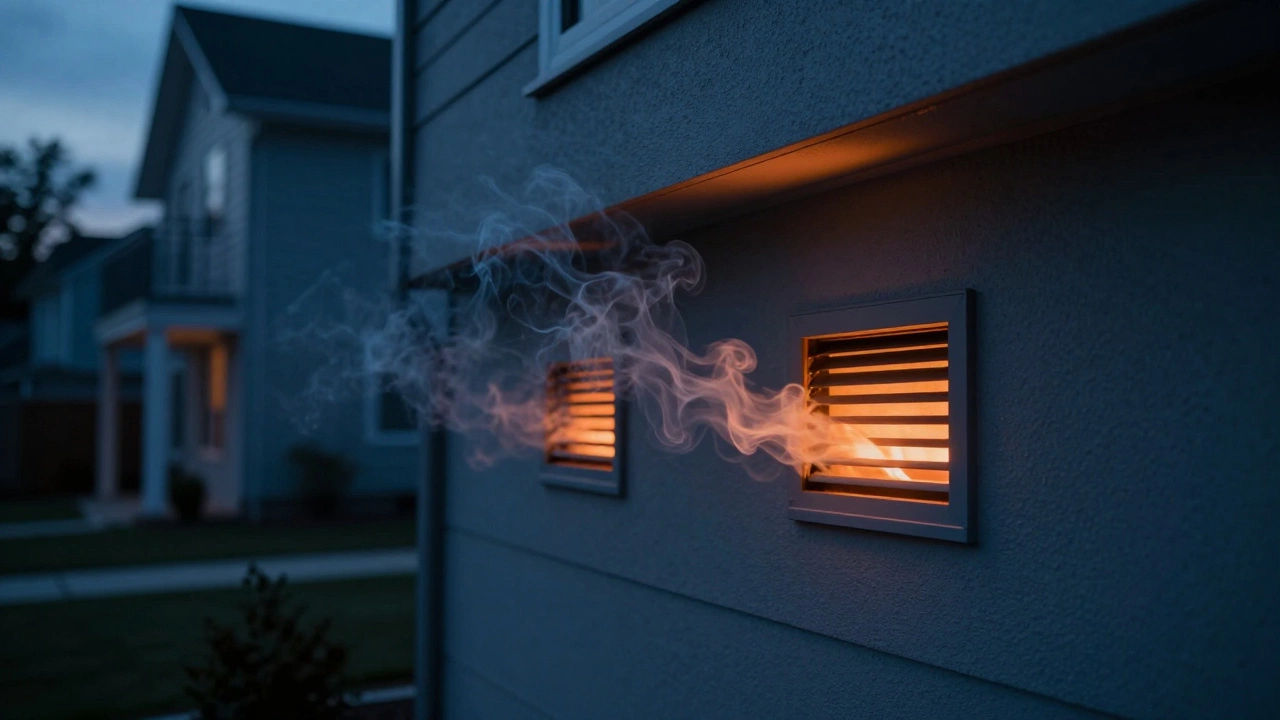
Think of pancreatic cancer like a fire in the walls of a house. By the time you see smoke coming through the vents, the structure is already compromised. This is why researchers are focusing so heavily on biomarkers-blood tests that could signal the disease long before a tumor shows up on a CT scan.
The Leading Killer: Lung Cancer
While pancreatic cancer is the most "deadly" in terms of percentage, Lung Cancer is the biggest killer in terms of raw numbers. It is a disease where abnormal cells grow out of the lining of the lungs, often triggered by long-term exposure to carcinogens. For decades, we've known that smoking is the primary driver, but non-smokers are also at risk due to radon gas or air pollution.
There are two main types: non-small cell lung cancer (NSCLC) and small cell lung cancer (SCLC). SCLC is particularly aggressive, growing rapidly and spreading to the brain or adrenal glands early on. Because the lungs have so much room for a tumor to grow without pressing on a nerve or blocking an airway, people often don't cough or feel short of breath until the disease is advanced.
However, there is a silver lining. We are seeing a shift in survival thanks to Immunotherapy is a type of treatment that helps your own immune system fight cancer by targeting specific proteins like PD-L1. This has turned some previously terminal cases into manageable chronic conditions, but the deadliest cancers still require early detection via low-dose CT scans for high-risk individuals.
The Complex Case: Liver Cancer
The third spot is often a tie between different aggressive types, but Liver Cancer (specifically Hepatocellular Carcinoma) stands out because of its link to other health failures. The liver is the body's filter, and when it is scarred by Cirrhosis or chronic hepatitis, the environment becomes perfect for cancer to take hold.
Liver cancer is deceptive. It often presents as a secondary cancer-meaning it started somewhere else, like the colon, and migrated to the liver. When it starts in the liver, it’s often a result of long-term inflammation. The challenge here is that the liver is vital for every metabolic process in the body. You can't just remove a large chunk of it without risking total organ failure.
Treatment often involves a combination of targeted embolization (blocking the blood supply to the tumor) and systemic therapies. But for those with advanced liver disease, the toxicity of standard chemotherapy can be too much for the organ to handle, leaving few options on the table.
Comparing the Three Heavy Hitters
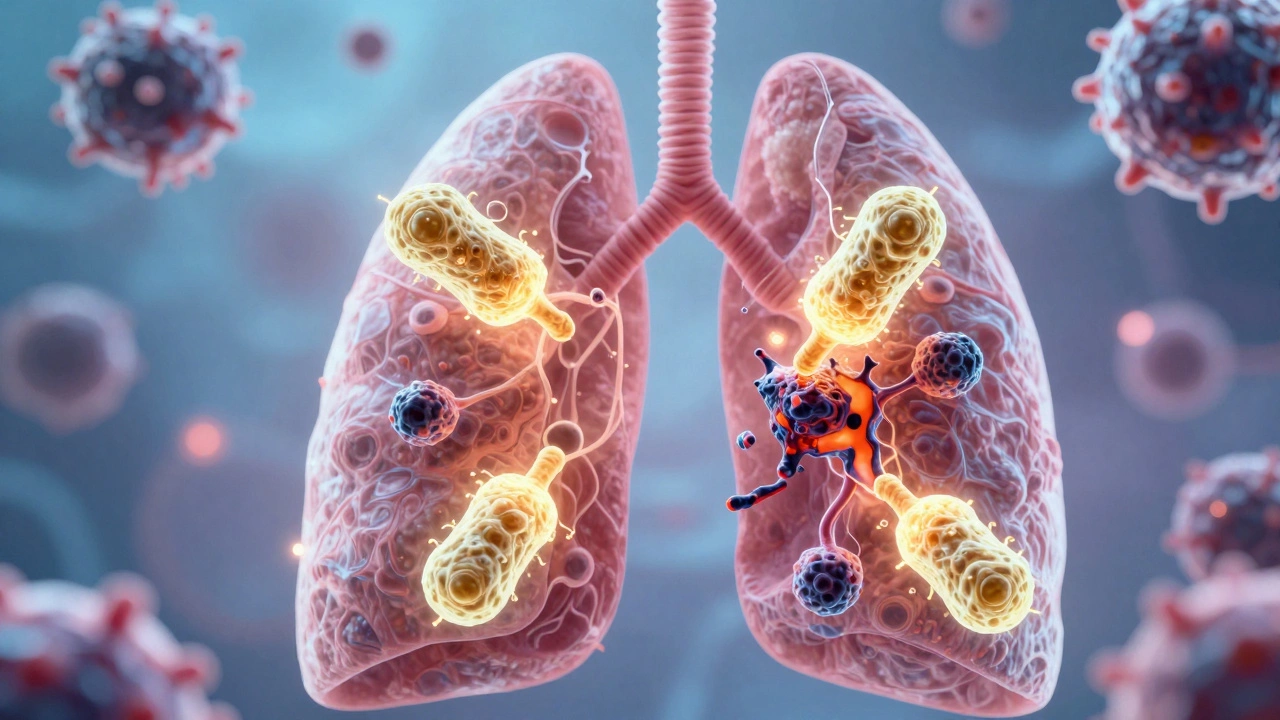
To understand why these three are so dangerous, we have to look at their specific attributes. One is hard to find, one is common, and one is tied to organ failure.
| Cancer Type | Primary Cause | Main Challenge | Typical Survival Rate (5-Yr) |
|---|---|---|---|
| Pancreatic | Genetic/Age/Diabetes | Late Detection | ~12% |
| Lung | Tobacco/Radon/Pollution | Rapid Spread | ~23% |
| Liver | Hepatitis/Alcohol/Cirrhosis | Organ Fragility | ~21% |
Why These Cancers Are So Hard to Beat
You might wonder why we can cure some cancers with a simple surgery while these three remain so lethal. The answer usually comes down to the "microenvironment." For example, pancreatic tumors create a thick, scar-like wall of tissue around themselves. This wall acts like a fortress, keeping chemotherapy drugs from ever actually reaching the cancer cells.
Then there is the issue of metabolic adaptation. These tumors are incredibly good at stealing nutrients from the body, often causing a wasting syndrome called cachexia. This makes the patient too weak to endure the very treatments that might save them. It's a cruel paradox: the treatment is too harsh for a body already depleted by the disease.
Another factor is the lack of a reliable screening test. We have mammograms for breast cancer and colonoscopies for colorectal cancer. But there is no standard, widely available "screen" for the pancreas or the liver for the general public. We only find them when the patient develops a symptom, and by then, the window for a cure is often closing.
The Future of Fighting Aggressive Cancers
We are moving away from the "slash, burn, and poison" approach of the 20th century. The future is in precision medicine. This means sequencing the DNA of a tumor to find the exact mutation driving its growth. If we find a specific mutation, like the KRAS mutation common in pancreatic cancer, we can use a drug designed specifically to shut that one protein down.
Another promising area is CAR-T cell therapy. This involves taking a patient's own T-cells (the soldiers of the immune system), genetically engineering them in a lab to recognize the cancer, and pumping them back into the body. While this has worked wonders for blood cancers, researchers are now trying to figure out how to get these engineered cells to penetrate the hard shells of solid tumors like those in the lungs or liver.
Liquid biopsies are also a game-changer. Instead of cutting out a piece of a tumor, doctors can now look for "circulating tumor DNA" (ctDNA) in a simple blood draw. This could eventually allow us to catch a pancreatic tumor when it's only a few millimeters wide, which would fundamentally change the survival statistics we see today.
Can these cancers be cured if caught early?
Yes, absolutely. The low survival rates are skewed because most cases are caught in Stage III or IV. If a lung tumor is caught at Stage I, the five-year survival rate jumps significantly, sometimes exceeding 80-90% with surgical resection. The key is early detection.
Is pancreatic cancer always a death sentence?
No, but it is very challenging. Some patients respond well to new chemotherapy combinations, and those who are candidates for surgery have a much better outlook. New clinical trials focusing on the tumor microenvironment are providing more hope than we had ten years ago.
What are the early warning signs of liver cancer?
Early signs can be subtle. Look for unexplained weight loss, a dull ache in the upper right side of the abdomen, or swelling in the legs and ankles (edema). Yellowing of the skin and eyes (jaundice) is a common but often later-stage sign.
Does quitting smoking immediately lower lung cancer risk?
Yes. While you cannot undo the damage already done to the DNA, quitting reduces the ongoing inflammation and exposure to carcinogens. This improves the body's ability to fight existing precancerous cells and significantly lowers the risk of new primary tumors forming.
How does immunotherapy differ from chemotherapy?
Chemotherapy uses chemicals to kill rapidly dividing cells (both cancer and healthy ones, which is why hair falls out). Immunotherapy doesn't kill the cancer directly; instead, it "unmasks" the cancer cells so your own immune system can see them and destroy them naturally.
Next Steps and Precautions
If you have a family history of these aggressive cancers, don't wait for symptoms to appear. Talk to your doctor about genetic counseling. Many of these diseases have hereditary links-such as the BRCA mutations which, while famous for breast cancer, also increase the risk of pancreatic cancer.
For those at high risk due to lifestyle factors, such as long-term smokers or people with chronic Hepatitis B or C, regular screening is non-negotiable. A yearly ultrasound or a low-dose CT scan can be the difference between a treatable localized tumor and a terminal diagnosis. Be proactive about your health; the best way to beat a deadly cancer is to stop it from becoming a "deadly" one by catching it while it's still small.