Types of Dental Sedation: What You Need to Know Before Your Appointment
When you think of dental sedation, a range of medical techniques used to reduce anxiety and discomfort during dental procedures. Also known as conscious sedation, it helps people get through cleanings, extractions, or implants without panic or pain. It’s not just for nervous patients—it’s for anyone who wants to avoid the stress of loud drills or long appointments. The goal isn’t to knock you out, but to help you relax while staying awake and responsive.
There are nitrous oxide, a mild gas inhaled through a mask that eases anxiety and wears off quickly, the most common and safest option for light sedation. Then there’s oral sedation, a pill taken an hour before your visit that makes you drowsy but still awake, often used for moderate anxiety. For more complex or lengthy procedures, IV sedation, medication delivered directly into a vein for deeper, controlled relaxation gives dentists precise control over your level of calm. Each type has different recovery times, risks, and costs—and your dentist will pick based on your health, the procedure, and how scared you are.
What most people don’t realize is that dental sedation isn’t one-size-fits-all. A simple filling might only need nitrous oxide. A wisdom tooth extraction? Maybe oral sedation. A full-mouth reconstruction? IV sedation becomes the standard. Your medical history matters too—some medications, liver conditions, or breathing problems can limit your options. And while sedation sounds scary, it’s one of the most routine parts of modern dentistry. Millions get it every year without issues.
You’ll find real stories below—from people who avoided the dentist for years until they tried oral sedation, to those who thought IV sedation was overkill until they had their first root canal. You’ll also see how age, anxiety levels, and even the type of dentist you see can change what’s offered. This isn’t theory. These are the choices real patients made, and what actually worked for them.
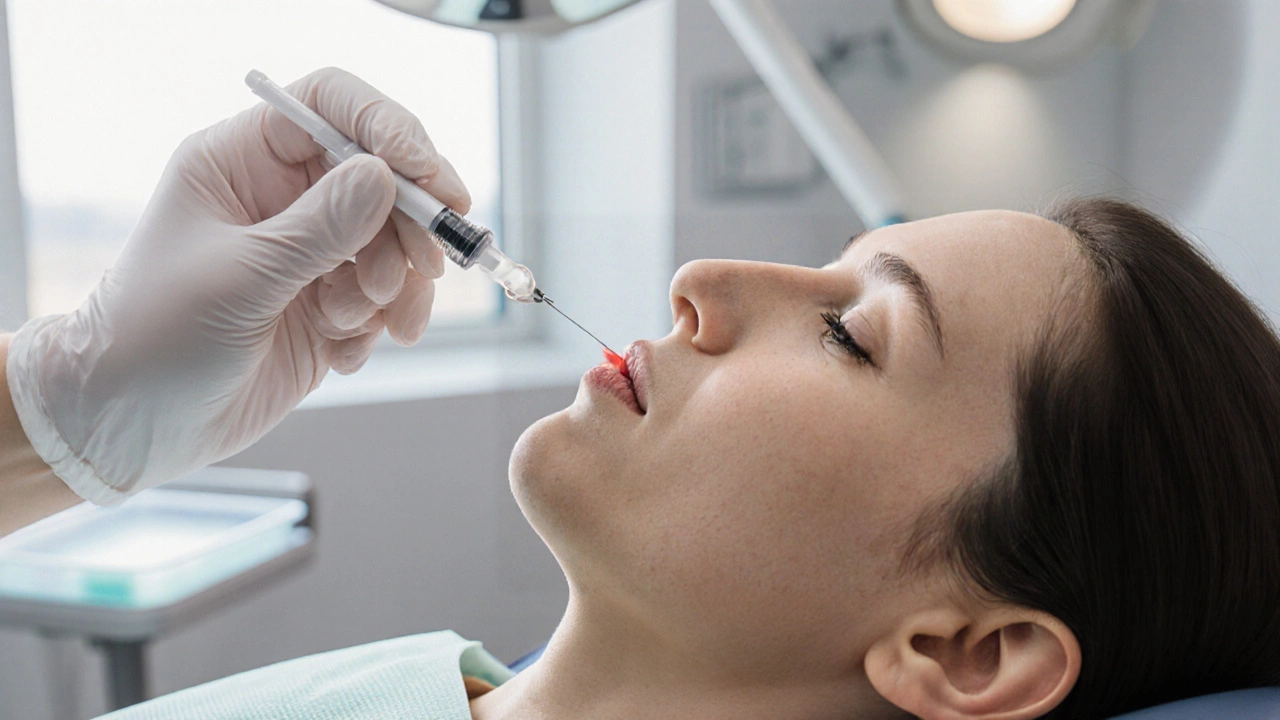
Do Dental Implants Require You to Be Put to Sleep?
Explore when dental implants require general anesthesia, local numbing, or conscious sedation. Learn options, prep steps, recovery tips, costs, and FAQs.