Rarest Mental Disorder: What They Are, Who They Affect, and What Science Knows
When we talk about rarest mental disorder, a psychiatric condition affecting fewer than 1 in 100,000 people, often with unique symptoms that defy standard diagnostic categories. Also known as ultra-rare psychological syndromes, these conditions don’t show up in mainstream media—but they’re real, documented, and deeply disruptive to those who live with them. Unlike depression or anxiety, which millions experience, these disorders are so uncommon that many doctors may never see a single case in their career.
Some of these conditions tie directly to how the brain processes reality. Capgras syndrome, a delusion where a person believes loved ones have been replaced by identical impostors is one example. It’s not paranoia—it’s a neurological glitch, often linked to brain injury or dementia. Then there’s Fregoli delusion, the opposite: believing different people are the same person in disguise. These aren’t plot twists from a movie. They’re real, studied, and sometimes treatable with the right combination of therapy and medication. And while they sound bizarre, they’re not random. They often emerge from the same brain systems that control identity, memory, and perception—systems also involved in more common conditions like schizophrenia or PTSD.
What makes these disorders even harder to spot is how they overlap with cultural beliefs, spiritual experiences, or even medical side effects. A person who thinks their soul has been stolen might be diagnosed with Cotard’s syndrome—where someone believes they’re dead or missing organs—when in fact, it’s a severe depressive episode with psychotic features. Alien hand syndrome, a condition where one hand acts on its own, as if controlled by another person, is linked to stroke or neurodegenerative disease. It’s not magic. It’s biology. And understanding it helps us see that mental illness isn’t always about mood—it’s about wiring.
The good news? These rare conditions are often windows into how the brain works. Studying them helps doctors better understand depression, OCD, and even autism. And while you’re unlikely to meet someone with these disorders, you might know someone whose symptoms were misunderstood—or mislabeled. That’s why recognizing the signs matters. It’s not about diagnosing yourself. It’s about knowing when something goes deeper than stress or sadness. When behavior changes suddenly, becomes irrational, or feels alien to the person themselves, it’s time to look beyond the surface.
Below, you’ll find real cases, expert insights, and clear explanations of unusual mental health patterns that most people never hear about. These aren’t just curiosities—they’re reminders that the mind is far more complex than we assume. And sometimes, the strangest symptoms lead to the clearest truths.
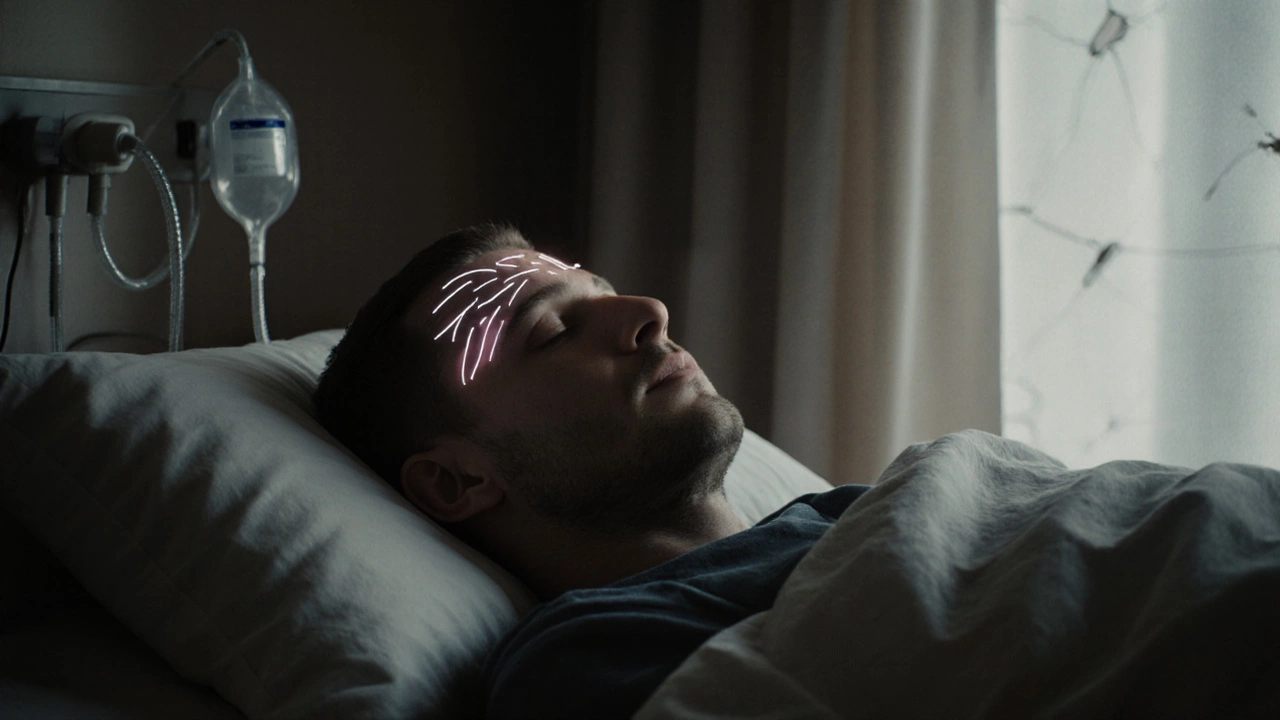
What's the rarest mental disorder? Real cases, symptoms, and why it's misunderstood
Clinomania, foreign accent syndrome, and apotemnophilia are among the rarest mental disorders-neurologically real, often misunderstood, and rarely diagnosed. Here’s what science knows about them.