Rare Psychological Conditions: Signs, Causes, and What You Need to Know
When we think of mental health, we usually picture anxiety, depression, or stress—but there’s a whole other layer of conditions that are far less common, yet just as real. These are the rare psychological conditions, uncommon psychiatric disorders that affect perception, identity, or behavior in ways most people never experience. Also known as unusual mental health symptoms, they don’t show up in mainstream media, but they do show up in clinics, homes, and lives that feel out of sync with reality. Think of someone who believes their reflection is a different person, or a person who hears voices telling them to perform rituals they don’t understand. These aren’t fictional plots—they’re documented diagnoses, often mislabeled as schizophrenia or psychosis when they’re something far more specific.
These conditions don’t happen often, but when they do, they’re deeply confusing—for the person living them and the people around them. Some, like Cotard’s Syndrome, make someone believe they’re dead. Others, like Capgras Delusion, make them think loved ones have been replaced by impostors. Then there’s Fregoli Delusion, where strangers are seen as familiar faces in disguise. These aren’t just quirks. They’re neurological or psychological disruptions that change how the brain interprets the world. And while modern medicine tries to treat them with medication and therapy, many people turn to Ayurveda, an ancient Indian system of holistic healing that balances mind, body, and spirit. Also known as the science of life, it approaches mental health not as a defect to fix, but as an imbalance to restore—through diet, herbs, sleep, and daily rhythm. That’s why you’ll find posts here about how Ayurveda helps with stress, sleep, and emotional stability. It doesn’t claim to cure rare conditions overnight, but it offers tools to calm the nervous system, reduce mental clutter, and support recovery alongside conventional care.
What ties all these rare conditions together? They’re not caused by one thing. Genetics, trauma, brain chemistry, and even environmental toxins can play a role. And because they’re so unusual, they’re often misdiagnosed—or ignored. That’s why recognizing the signs matters. If someone suddenly starts acting completely out of character, denies their own existence, or sees people who aren’t there, it’s not just "weird behavior." It’s a signal. And whether you’re asking for help for yourself or someone else, knowing what’s possible opens the door to the right kind of support.
The posts below don’t try to diagnose you. But they do show you what real mental health struggles look like beyond the usual headlines. You’ll find clear guides on spotting warning signs, understanding herbal support for the mind, and learning how traditional systems like Ayurveda fit into modern mental health care. These aren’t theoretical ideas. They’re real experiences—people who’ve lived through confusion, been told they’re imagining things, and then found a path that actually made sense.
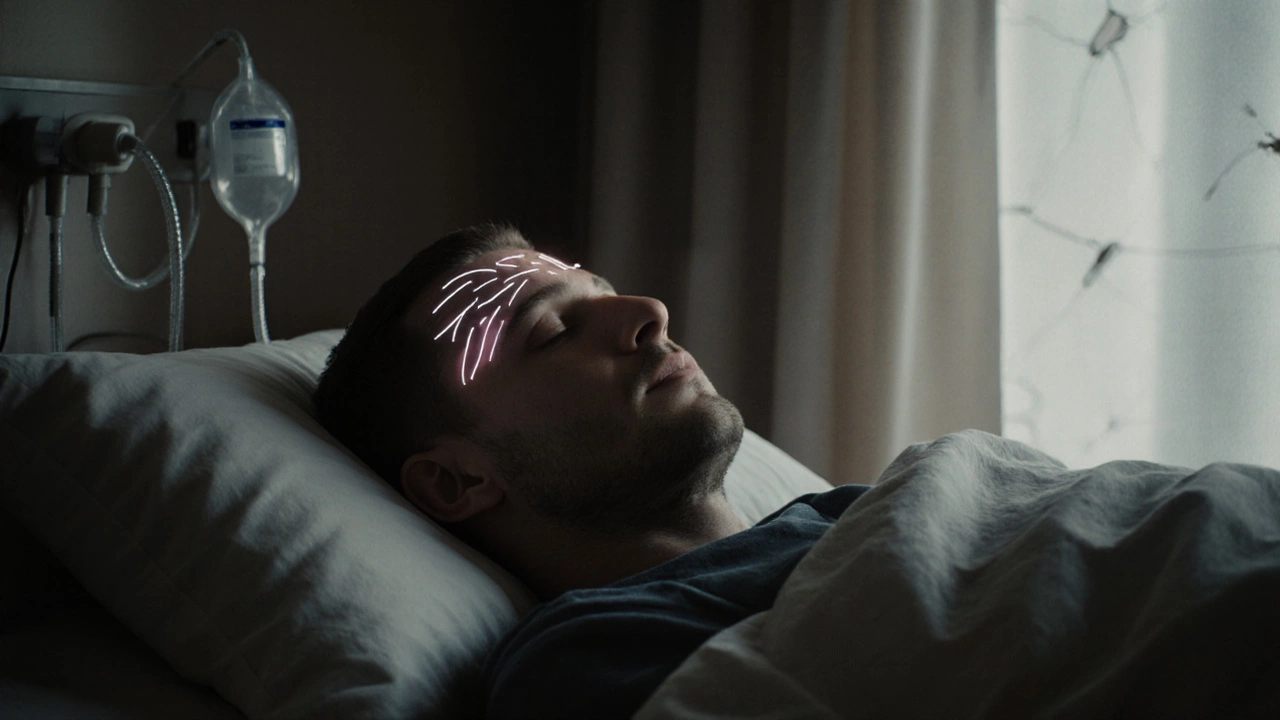
What's the rarest mental disorder? Real cases, symptoms, and why it's misunderstood
Clinomania, foreign accent syndrome, and apotemnophilia are among the rarest mental disorders-neurologically real, often misunderstood, and rarely diagnosed. Here’s what science knows about them.