Meniscectomy: What It Is, Recovery, and Ayurvedic Support
When you hear meniscectomy, a surgical procedure to remove or repair damaged cartilage in the knee. Also known as partial meniscectomy, it's one of the most common orthopedic surgeries done worldwide—often after a sudden twist, sports injury, or years of wear and tear. The meniscus is your knee’s shock absorber, and when it tears, pain, swelling, and locking sensations make everyday movement hard. Surgery doesn’t fix the root cause—it removes the torn piece so your knee can move without catching. But recovery? That’s where real healing begins.
Recovery after meniscectomy isn’t about rushing back to the gym. Most people walk without crutches in 1–2 weeks, but full strength and stability take 3–6 months. Physical therapy isn’t optional—it’s the difference between getting back to normal and ending up with chronic stiffness or early arthritis. And while modern medicine focuses on the tear and the cut, many people don’t realize how much knee recovery depends on inflammation control, circulation, and tissue regeneration—all areas where Ayurvedic healing offers practical, science-backed support.
Ayurveda doesn’t replace surgery, but it complements it. After meniscectomy, your body needs to reduce swelling, rebuild cartilage-supporting tissues, and restore joint lubrication. Herbs like Ashwagandha and Turmeric have been studied for their anti-inflammatory effects. Gentle movement practices like Yoga and Panchakarma detox protocols help restore balance without stressing the joint. And unlike painkillers that mask symptoms, Ayurveda looks at digestion, sleep, and stress—factors that directly affect healing speed. Many patients who combine physical rehab with Ayurvedic lifestyle changes report less stiffness, better sleep, and faster return to daily activities.
What you’ll find below are real stories and facts about meniscectomy—not just the surgery itself, but what happens after. From how long swelling lasts, to why forcing your knee to bend too soon backfires, to what actually helps cartilage heal over time. You’ll also see how people use herbal remedies safely alongside medical care, and what to avoid when your body is trying to repair itself. This isn’t about choosing between Western surgery and Ayurveda—it’s about using both wisely to get your life back.
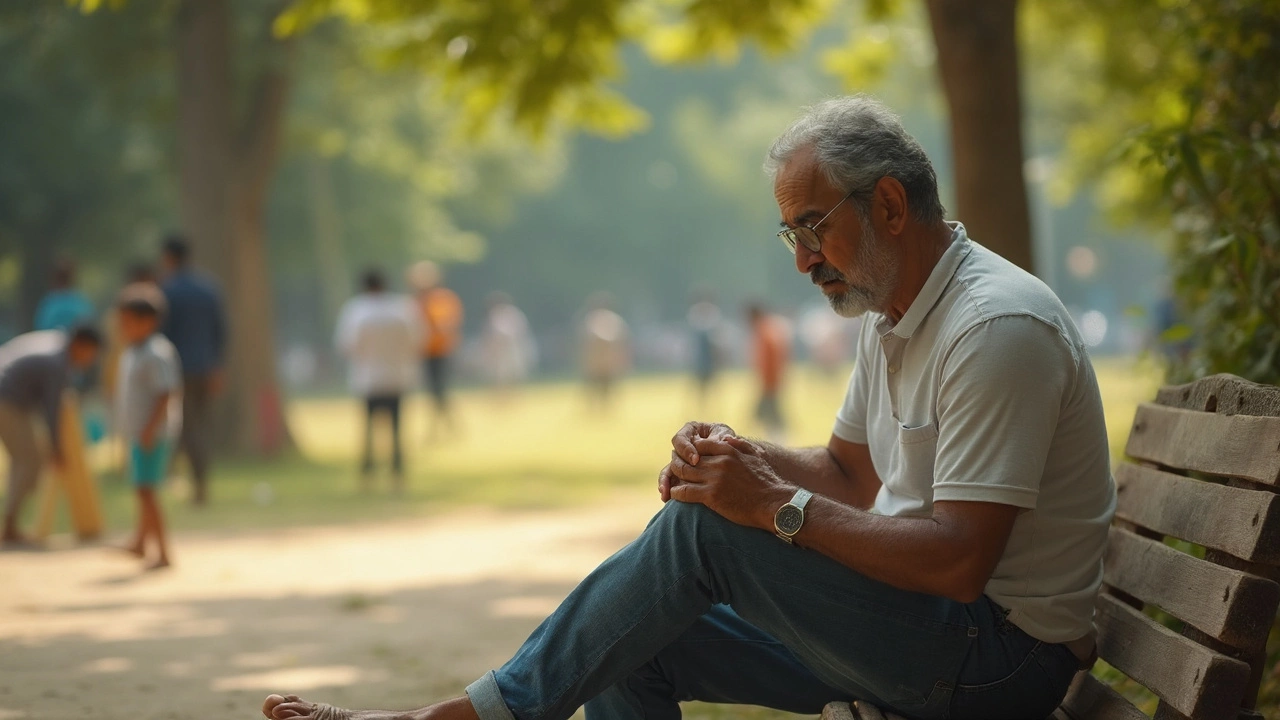
Number 5 Most Common Orthopedic Surgery: What You Need to Know
Wondering what the fifth most common orthopedic surgery is? This article dives into meniscectomy—its basics, why people need it, what to expect, and some practical tips. Find out who usually needs this knee surgery, how recovery works, and why doctors opt for it. You’ll get straightforward facts without the fluff. Perfect for anyone thinking about knee problems or treatments.