Living Alone: What It Really Takes to Thrive on Your Own
When you living alone, the choice to reside by yourself, often driven by personal growth, independence, or life transitions. Also known as solitary living, it’s not just about empty rooms—it’s about how you fill them with routines, rhythms, and resilience. More people are choosing this path—not because they can’t find someone, but because they’ve learned that peace doesn’t always come from company. In India, where family structures have long defined daily life, choosing to live alone can feel like stepping off the map. But it’s becoming a quiet revolution, especially among young professionals, retirees, and those healing from burnout.
mental health, the state of your emotional, psychological, and social well-being becomes the silent foundation of living alone. Without daily check-ins from family or roommates, you learn to listen to your own signals—when you’re tired, lonely, or overwhelmed. Studies show people who live alone but stay connected to community networks report lower stress levels than those stuck in toxic households. It’s not isolation that hurts—it’s disconnection from yourself. That’s where Ayurveda, India’s 5,000-year-old system of holistic health based on balancing body, mind, and spirit steps in. Ayurveda doesn’t treat loneliness as a problem to fix. It treats it as a signal. Vata imbalance? That’s the energy of movement and change—and when it’s out of rhythm, solitude can feel shaky, anxious, or empty. But with simple daily rituals—a warm oil massage, a grounded breakfast, herbal teas like ashwagandha—you rebuild stability from within.
self-reliance, the ability to manage your own needs without depending on others for emotional or physical support isn’t about being tough. It’s about being tender with yourself. It’s making tea when you’re sad instead of scrolling. It’s calling a friend when you need to talk, not because you’re lonely, but because you choose connection. It’s knowing when to rest, when to move, when to eat, and when to sit still—all without someone else telling you what to do. The posts below show real people who’ve walked this path: someone managing chronic pain alone, another finding calm through Ayurvedic routines after divorce, a retiree learning to cook for one without feeling lonely. These aren’t stories of hardship. They’re stories of quiet strength.
You won’t find magic fixes here. No one tells you to "just be happy" or "get a pet" and call it a day. What you’ll find are practical truths—from how to sleep better without a partner’s rhythm, to which herbs help with nighttime anxiety, to why your knee pain flares up more when you’re emotionally drained. Whether you’re new to living alone or you’ve been doing it for years, these insights come from real experiences shaped by both modern science and ancient wisdom. No fluff. No pressure. Just what works when you’re on your own.
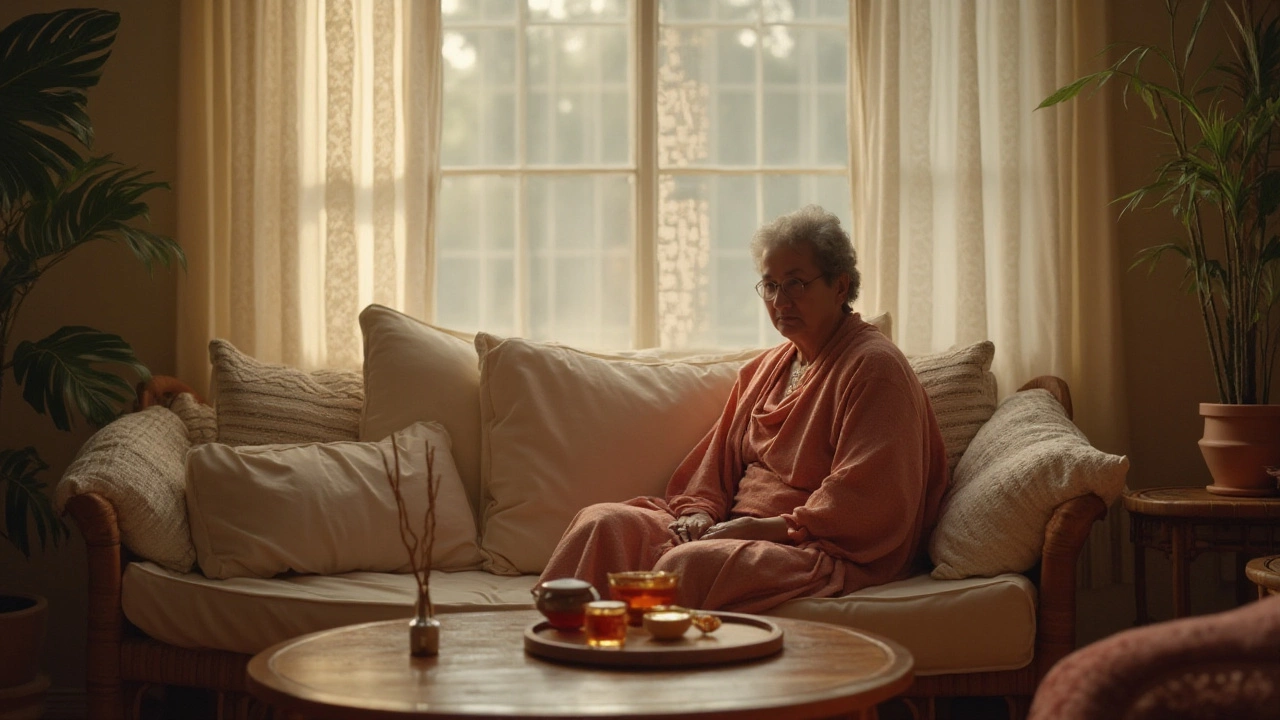
Living Independently After Open-Heart Surgery: What You Need to Know
Recovering from open-heart surgery is a significant life event, and many people wonder if they can live alone during this time. This article explores the feasibility of staying alone after the surgery, providing insights into the recovery process, potential challenges, and essential tips for a safe and successful healing journey. It also highlights the importance of support systems and practical ways to manage daily tasks during recovery.