Knee Replacement Driving Time: When You Can Get Behind the Wheel Again
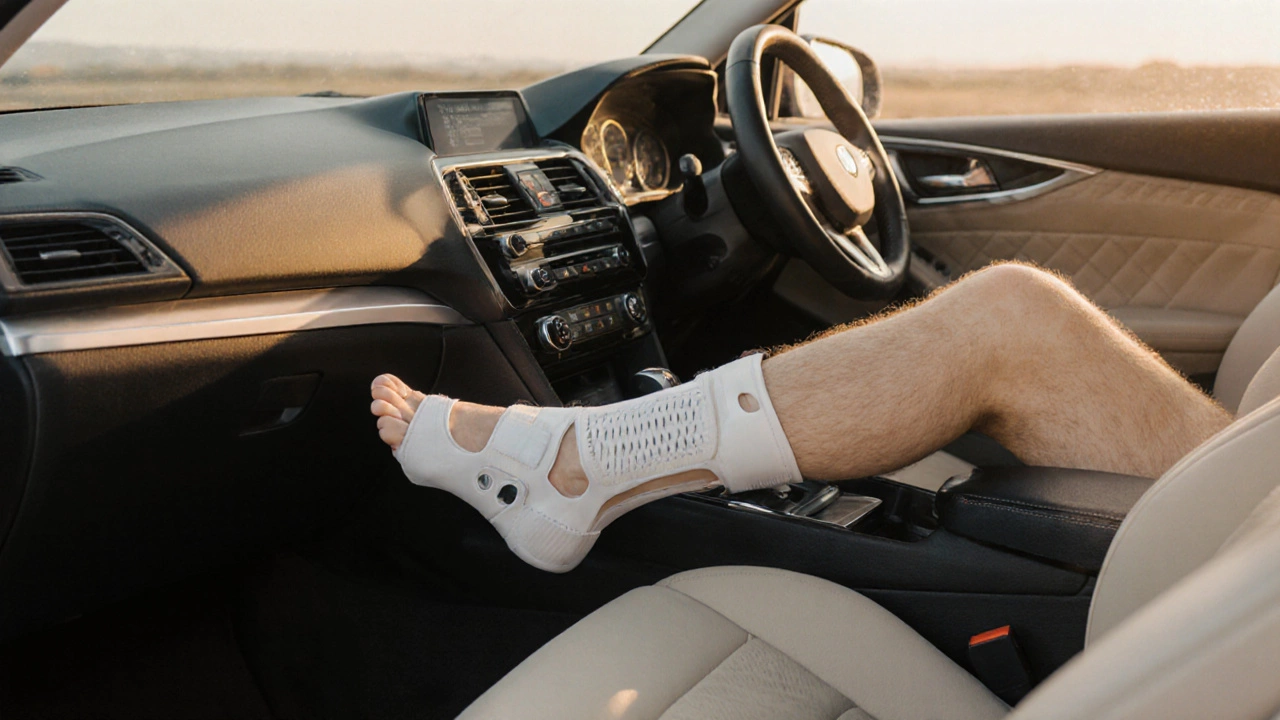
After a knee replacement, a surgical procedure to replace a damaged knee joint with an artificial one, one of the first things people ask is: When can I drive again? It’s not just about feeling better—it’s about safety, legal responsibility, and protecting your new joint. Most patients can start driving between 2 to 6 weeks after surgery, but the real answer depends on which knee was replaced, your recovery progress, and whether you’re still taking pain meds. This isn’t a one-size-fits-all timeline. For example, if you had a right knee replacement, a procedure affecting the leg used to press the gas and brake pedals, you’ll need more time than someone who had the left knee done, especially if you drive a manual car.
The biggest mistake people make? Trying to drive too soon because they feel "okay." Pain isn’t the only factor. Reaction time, muscle control, and the ability to brake suddenly matter more than how much you can bend your knee. Studies show that even with mild discomfort, drivers with recent knee replacements take 20-30% longer to stop their cars compared to healthy drivers. That’s the difference between avoiding a crash and hitting one. Your surgeon will likely tell you to wait until you’re off strong painkillers like opioids, can fully bend your knee enough to reach the pedals, and can get in and out of the car without help. For most, that’s around 4 weeks—but if you’re still stiff or taking meds that make you drowsy, wait longer. Don’t rush it. One bad decision can undo months of rehab.
There’s also a big difference between being able to drive and being ready to drive. You might be able to sit in the car and turn the key, but can you slam the brake if a child runs into the street? Can you get out of the car without using your hands to push off the seat? If you’re still using a cane or walker, you’re not ready. And if you’re still in physical therapy, your therapist is your best guide—they’ve seen hundreds of recoveries and know when someone’s truly safe behind the wheel. Knee replacement restrictions, permanent limits on high-impact activities to protect the implant don’t end after recovery—they just shift focus. Driving is one of the first everyday activities you’ll need to get right, and getting it wrong can lead to falls, joint damage, or even a lawsuit if you cause an accident.
Below, you’ll find real stories and expert advice from people who’ve been through this exact situation. Some got back behind the wheel in three weeks. Others waited six. What they all had in common? They didn’t guess. They waited for clear signs their body was ready. Whether you’re asking about recovery after knee surgery, the process of regaining mobility, strength, and function after joint replacement, or how to balance independence with caution, the posts here give you the unfiltered truth—not just what you want to hear, but what you need to know to stay safe and strong for the long haul.
Driving After Knee Surgery: Is 2 Weeks Safe?
Find out whether you can safely drive two weeks after knee surgery, learn the UK legal rules, self‑assessment steps, and tips for a smooth return to the road.