Indian massage therapy: Traditional techniques, benefits, and what really works
When you think of Indian massage therapy, a holistic healing system rooted in Ayurveda that uses oil, pressure, and rhythm to restore balance in the body. Also known as Ayurvedic massage, it's not just about feeling relaxed—it's about resetting your nervous system, improving circulation, and clearing blockages that cause pain and fatigue. Unlike typical spa massages, this isn’t a one-size-fits-all experience. It’s tailored to your body type, or Dosha, your unique constitutional balance of Vata, Pitta, and Kapha energies that determine how your body functions. A Vata-dominant person gets a slow, warming oil massage. A Pitta type gets cooler oils and lighter pressure. This isn’t guesswork—it’s medicine designed around your biology.
Two core practices define this tradition: Abhyanga, a daily self-massage with warm herbal oils that lubricates joints, calms the mind, and boosts immunity, and Panchakarma, a deeper detox protocol that includes massage as one of its five cleansing stages. Abhyanga is something you can do at home, five minutes a day. Panchakarma is a full program, often done under supervision, and it’s where you’ll see real changes in chronic pain, digestion, or sleep. Both use oils infused with herbs like ashwagandha, sesame, or turmeric—not just for scent, but because these ingredients are chosen for their therapeutic effects on specific tissues and imbalances.
People don’t just get Indian massage therapy because it feels good. They come back because it works where other treatments fail. Someone with stiff knees from arthritis finds movement returning after weeks of daily Abhyanga. A stressed-out office worker sleeps through the night after a Panchakarma session. It’s not magic—it’s science with 5,000 years of observation behind it. Studies from Indian medical schools show measurable improvements in cortisol levels, joint mobility, and sleep quality after consistent practice. And unlike pills, there’s no waiting for side effects to kick in—you feel the difference from the first session.
What you’ll find in the posts below aren’t just tips or spa reviews. These are real stories, clear breakdowns of techniques, and honest takes on what works and what doesn’t. You’ll learn how to tell if an oil is right for your body, why some massage styles make fatigue worse instead of better, and how to spot a qualified practitioner versus someone just calling themselves "Ayurvedic." There’s no fluff here—just what you need to know to use Indian massage therapy as a tool, not a trend.
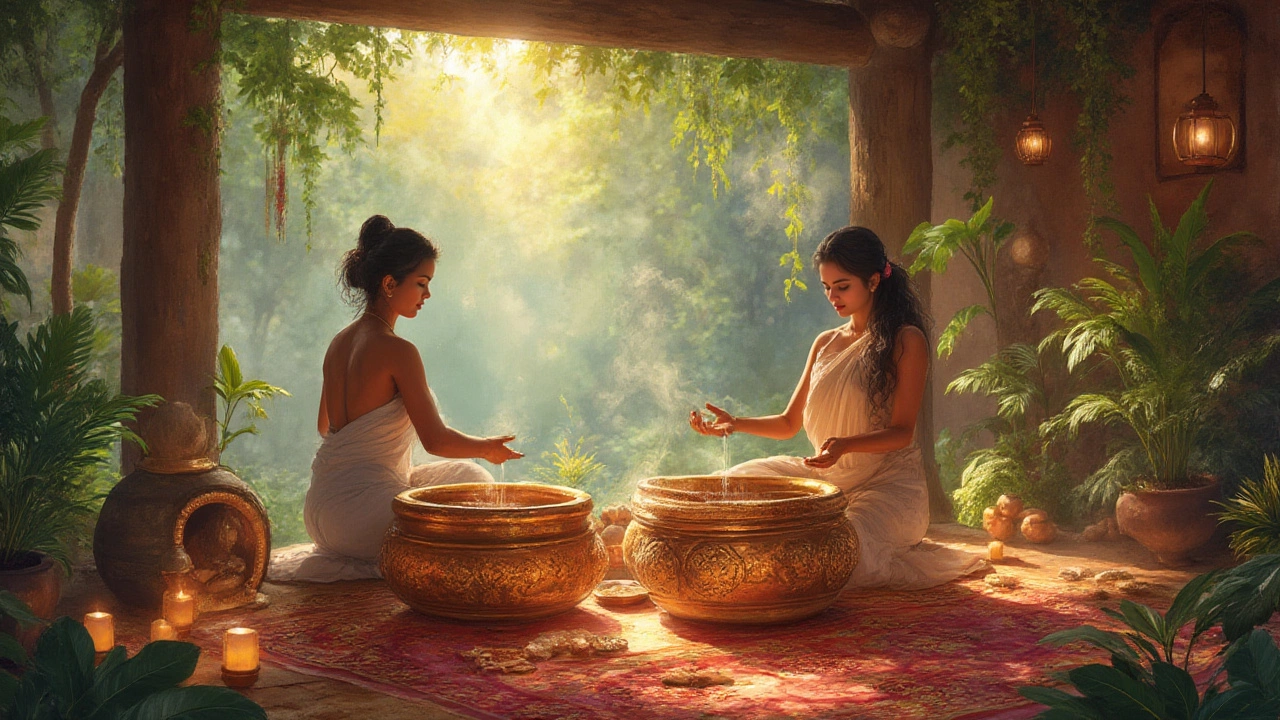
Ayurvedic Massage: Traditional Healing Techniques for Modern Wellness
Explore Ayurvedic massage – a unique blend of ancient Indian techniques, herbal oils, and healing for the body and mind. Discover its methods, uses, and real health effects.