Driving Safety After Surgery
When you're recovering from surgery, driving safety after surgery, the practice of returning to operating a vehicle without compromising healing or public safety. It's not just about feeling better—it's about whether your body can react fast enough to avoid an accident. Many people assume that if they’re off painkillers, they’re ready to drive. But that’s not always true. Even after the pain fades, your reflexes, coordination, and decision-making can still be affected by anesthesia, muscle weakness, or nerve damage.
surgical recovery, the process your body goes through to heal after an operation varies widely depending on the type of surgery. For example, knee replacement, a common orthopedic procedure that replaces damaged joint surfaces often leaves patients with limited range of motion for weeks. If you can’t press the brake pedal fully or turn your body to check blind spots, you’re not safe to drive—even if you feel fine. Shoulder surgeries? Those can make it hard to steer. Spinal procedures? They might affect your balance or ability to sit comfortably for more than 15 minutes.
driving restrictions, legally or medically advised limits on operating a vehicle after medical intervention aren’t just suggestions. Insurance companies and state laws often require doctors to clear you before you drive again. Some procedures, like brain or heart surgeries, come with mandatory waiting periods. Others, like dental implants or minor outpatient operations, may only need a day or two. But here’s the thing: feeling okay isn’t the same as being medically cleared. Your surgeon should give you clear instructions—not just about pain meds, but about when it’s safe to handle a steering wheel, shift gears, or react to a sudden stop.
It’s not just about your body. Medications matter too. Even over-the-counter sleep aids or anti-inflammatories can slow your reaction time. If you’re still taking opioids or muscle relaxants, you shouldn’t be driving—no matter how long it’s been since your surgery. And don’t forget: if your surgery involved sedation, your brain might still be adjusting hours—or even days—later.
What you’ll find below are real stories and facts from people who’ve been through this. From knee replacements that took longer than expected to get back on the road, to shoulder surgeries that left drivers struggling with simple turns. We cover what doctors actually say, what insurance policies require, and how to know for sure when you’re ready—not just physically, but legally and safely.
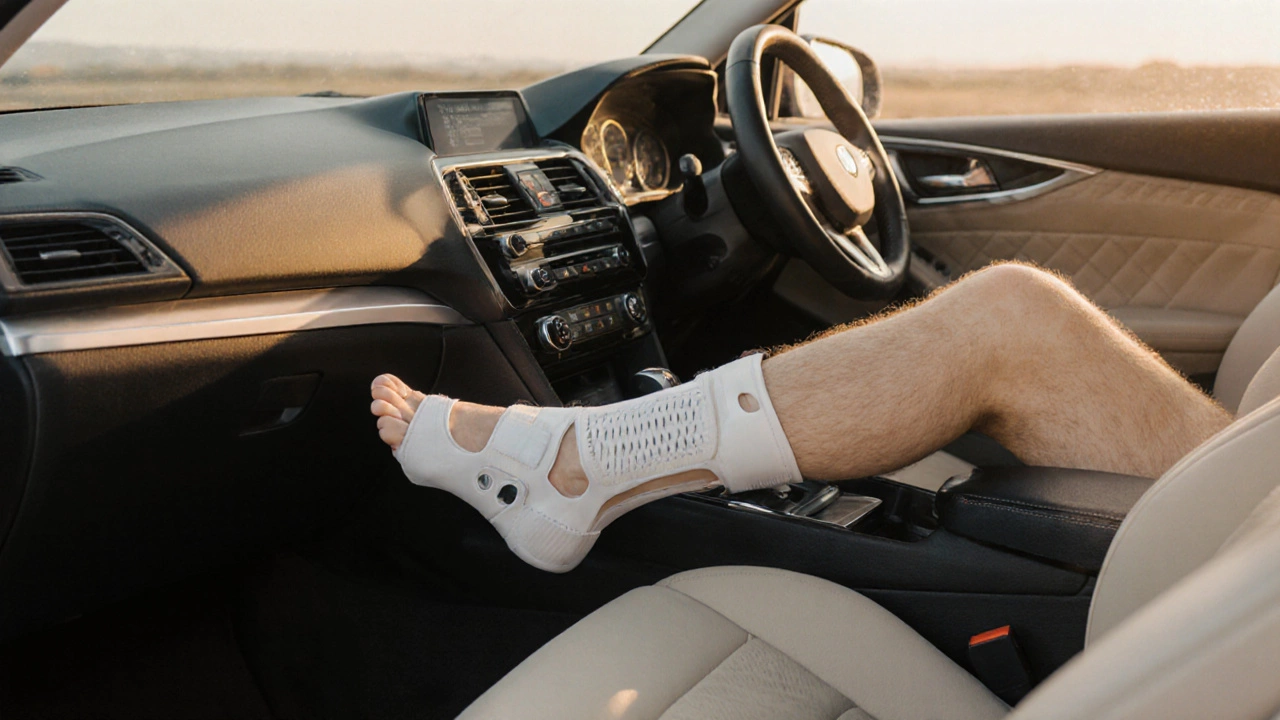
Driving After Knee Surgery: Is 2 Weeks Safe?
Find out whether you can safely drive two weeks after knee surgery, learn the UK legal rules, self‑assessment steps, and tips for a smooth return to the road.