Dissociative Identity Disorder: Signs, Causes, and What Ayurveda Says About Mental Fragmentation
When the mind breaks under too much pain, it doesn’t always heal in one piece. Dissociative identity disorder, a complex psychological condition where a person develops two or more distinct identities or personality states as a response to severe trauma. Also known as multiple personality disorder, it’s not about acting—it’s about survival. This isn’t Hollywood fiction. It’s a real, documented response to childhood abuse, neglect, or prolonged trauma, where the brain creates mental walls to protect itself from unbearable memories.
The trauma and dissociation, the psychological process where the mind detaches from reality to avoid emotional pain behind this condition is deeply tied to how the nervous system handles stress. People with dissociative identity disorder often report gaps in memory, sudden shifts in behavior, or feeling like they’re watching themselves from outside. These aren’t choices—they’re coping mechanisms forged in early life. And while modern psychiatry treats it with therapy and sometimes medication, Ayurveda offers a different lens: the mind isn’t broken, it’s overloaded. In Ayurvedic terms, this is a severe imbalance of Vata dosha, the energy of movement and air, responsible for nervous system function, thought patterns, and mental clarity. When Vata becomes excessive due to fear, shock, or chronic stress, it scatters the mind—just like wind blowing leaves in all directions.
What’s missing from most Western discussions is the body’s role. Dissociation isn’t just in the head—it’s in the gut, the muscles, the breath. People with this condition often have digestive issues, insomnia, or chronic fatigue. That’s why Ayurveda mental health, a holistic approach that links emotional well-being to diet, routine, and nervous system balance focuses on grounding. Warm meals, regular sleep, calming herbs like ashwagandha, and daily oil massage aren’t just self-care—they’re tools to rebuild the nervous system’s foundation. It doesn’t erase trauma, but it helps the mind stop running from it.
You won’t find a single post here that says, "Cure DID with turmeric." But you will find real stories about people struggling with mental fragmentation, signs they missed, and how ancient systems of healing approach what modern medicine calls "psychiatric." These posts don’t offer quick fixes. They offer context: how trauma hides in the body, how stress changes your biology, and why healing takes more than just talking. What follows are articles that connect the dots between mental health, herbal remedies, sleep, digestion, and the quiet, daily practices that help the mind come back home.
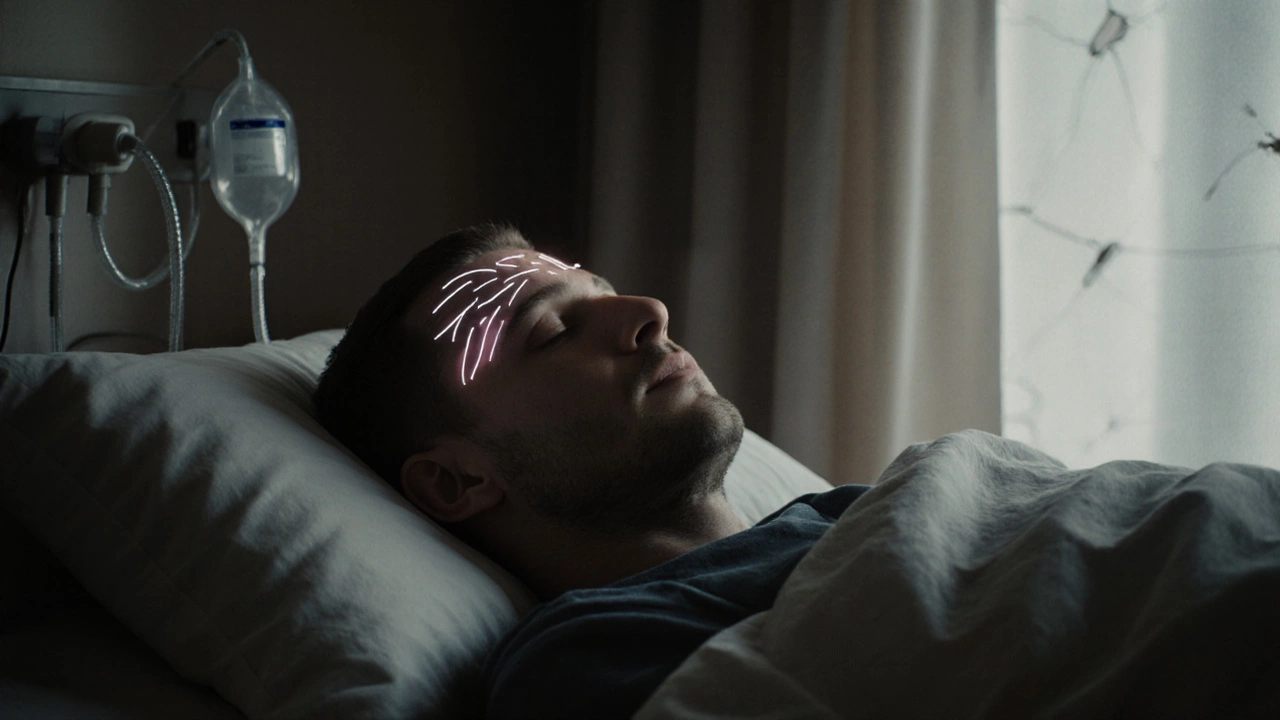
What's the rarest mental disorder? Real cases, symptoms, and why it's misunderstood
Clinomania, foreign accent syndrome, and apotemnophilia are among the rarest mental disorders-neurologically real, often misunderstood, and rarely diagnosed. Here’s what science knows about them.