Dental Implant Sedation: What You Need to Know Before Your Procedure
When you think about getting dental implant sedation, a medical technique used to reduce pain and anxiety during dental implant surgery. Also known as conscious sedation, it helps patients stay calm and comfortable while the dentist places the implant into the jawbone. Many people assume dental implants mean long, painful sessions—but sedation changes that entirely. It’s not just for the nervous; it’s for anyone who wants to get through the procedure without stress, memory of the drill, or fear of the unknown.
There are different levels of sedation, and not all are the same. local anesthesia, a numbing injection that blocks pain in a specific area. Also known as novocaine, it’s the baseline for every implant procedure. But if you’re anxious, your dentist might add IV sedation, a method where medication is delivered through a vein to produce a deeply relaxed state. Also known as sleep dentistry, it’s the go-to for complex cases or patients with severe dental fear. You’ll still breathe on your own, but you won’t remember much—maybe just a dreamy feeling. Then there’s oral sedation, where you take a pill an hour before. It’s milder, but still helps take the edge off.
What makes sedation work isn’t just the drugs—it’s timing, dosage, and your medical history. If you’re on blood thinners, have sleep apnea, or take antidepressants, your dentist needs to know. Not all clinics offer the same options, so ask ahead. Some only do local. Others have an anesthesiologist on call. The right choice depends on your comfort level, how many implants you’re getting, and whether you’re having bone grafts too. You don’t need to suffer through it. Millions have gone before you—and walked out with a smile, not a scare.
What you’ll find in the articles below aren’t just clinical guides. They’re real stories from people who were terrified, then surprised by how easy it was. You’ll see how bone loss affects implant timing, what to expect during recovery, and how Ayurvedic herbs can help reduce swelling and speed healing after surgery. There’s no one-size-fits-all, but there’s definitely a path that works for you—calm, safe, and pain-free.
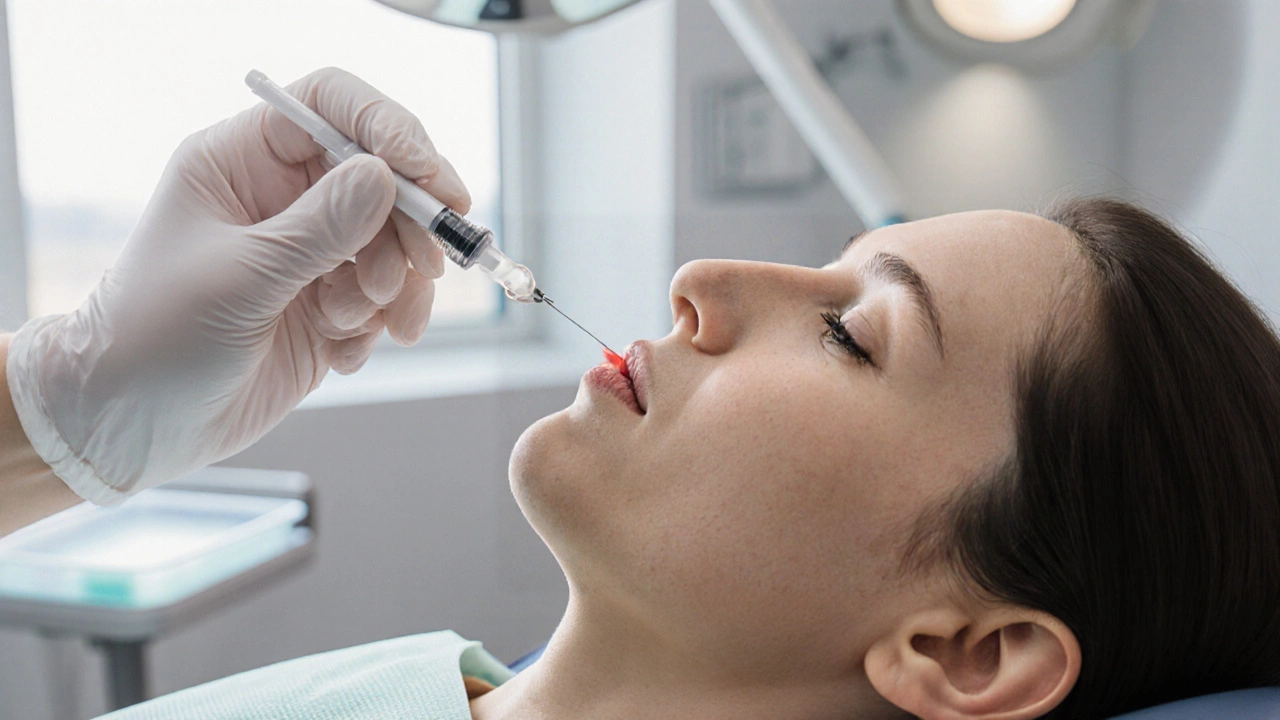
Do Dental Implants Require You to Be Put to Sleep?
Explore when dental implants require general anesthesia, local numbing, or conscious sedation. Learn options, prep steps, recovery tips, costs, and FAQs.