Dental Implant Anesthesia: What You Need to Know Before Surgery
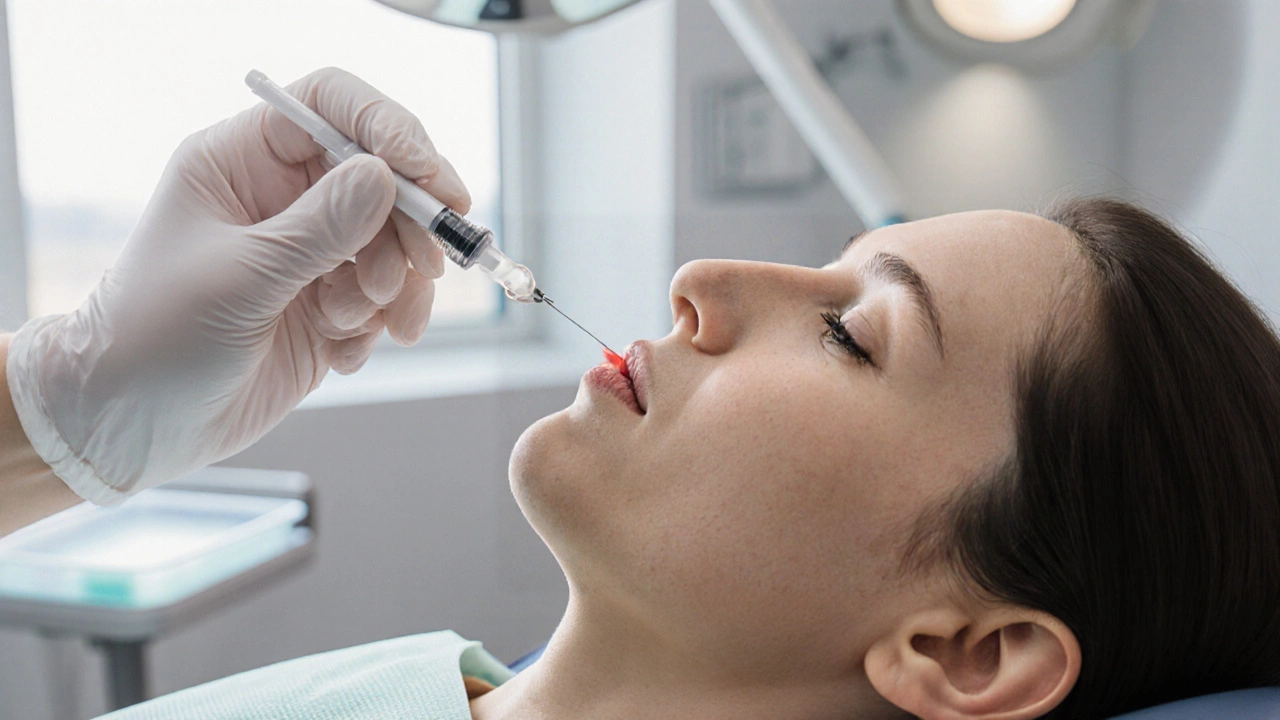
When you get a dental implant anesthesia, the method used to block pain during dental implant surgery, ensuring comfort and safety. Also known as implant surgery sedation, it’s not just about numbness—it’s about controlling anxiety, managing pain, and making sure your body stays still during precise work. Most people assume it’s just a needle and sleep, but there’s more to it. The right type depends on your health, how many implants you’re getting, and how nervous you feel.
There are three main types: local anesthesia, a numbing shot injected near the implant site, blocking pain without making you sleepy, which most healthy adults get for one or two implants. Then there’s IV sedation, a drug given through a vein that makes you deeply relaxed, often with no memory of the procedure, used for multiple implants or if you have dental anxiety. And finally, general anesthesia, full unconsciousness, usually only for complex cases or patients with special medical needs. Your dentist won’t push you into the strongest option—they’ll match it to your comfort level and medical history.
What most people don’t realize is that anesthesia isn’t just about the surgery—it affects your recovery too. If you get IV sedation, you’ll need someone to drive you home. Local anesthesia wears off in a few hours, but you might still feel sore. Some patients report tingling or numbness for days after, especially if nerves were close to the implant site. That’s normal, but if it lasts longer than a week, you should check in. You’ll also want to know what to avoid before the procedure: no alcohol 24 hours before, no heavy meals if you’re getting sedation, and definitely no smoking—it slows healing.
The posts below cover real cases and practical advice around dental implants—from how bone loss affects your options, to what happens after the anesthesia wears off, to how long recovery really takes. You’ll find answers to questions like: Can you get implants if you’ve had bone loss? Is it safe to skip sedation? What do people actually feel during the procedure? These aren’t theory pieces—they’re stories from people who’ve been through it, with tips you can use.
Do Dental Implants Require You to Be Put to Sleep?
Explore when dental implants require general anesthesia, local numbing, or conscious sedation. Learn options, prep steps, recovery tips, costs, and FAQs.