Clinomania: Understanding the Compulsion to Stay in Bed and What It Really Means
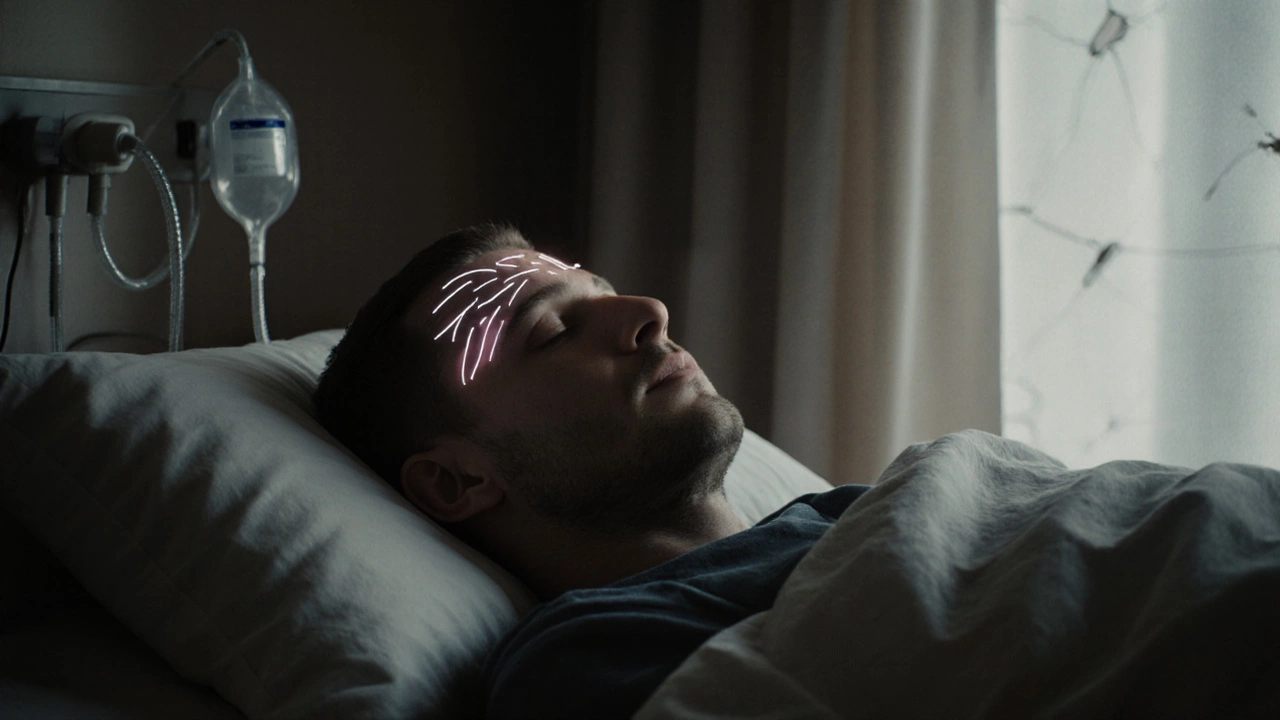
When you can't get out of bed—not because you're tired, but because you just can't—you might be dealing with clinomania, a psychological and physical compulsion to remain in bed, often beyond what’s normal or healthy. Also known as bed addiction, it’s not a formal diagnosis in the DSM-5, but it’s a very real pattern seen in people with chronic fatigue, depression, anxiety, or unresolved physical pain. This isn’t about sleeping more—it’s about avoiding the world because getting up feels impossible, even when you’re not sleepy.
Clinomania often shows up alongside other conditions. People with depression, a mental health condition marked by persistent sadness, low energy, and loss of interest in daily life may stay in bed for hours, not because they’re resting, but because getting up feels pointless. Those with chronic fatigue, a persistent, unexplained exhaustion that doesn’t improve with rest often describe clinomania as their body’s way of forcing them to stop. Even people with untreated sleep disorders, conditions like sleep apnea or insomnia that disrupt rest quality can end up in a cycle where they sleep too much during the day just to compensate for poor nighttime sleep.
What makes clinomania tricky is that it looks like laziness to others—and sometimes to yourself. But the truth? It’s usually a symptom. You’re not choosing to stay in bed. Your body or mind is pushing you there. That’s why simply telling someone to "just get up" doesn’t work. It’s like telling someone with a broken leg to walk it off. The fix isn’t willpower—it’s figuring out what’s underneath.
In the posts below, you’ll find real stories and practical insights about what keeps people stuck in bed—whether it’s mental health, hormonal imbalances, chronic pain, or the side effects of medications. You’ll see how Ayurveda approaches fatigue and rest imbalance, how dental pain can make someone avoid getting up, and how knee surgery recovery can trigger prolonged bed rest that turns into something more. These aren’t just about sleep—they’re about why we stop moving, and how to start again.
What's the rarest mental disorder? Real cases, symptoms, and why it's misunderstood
Clinomania, foreign accent syndrome, and apotemnophilia are among the rarest mental disorders-neurologically real, often misunderstood, and rarely diagnosed. Here’s what science knows about them.